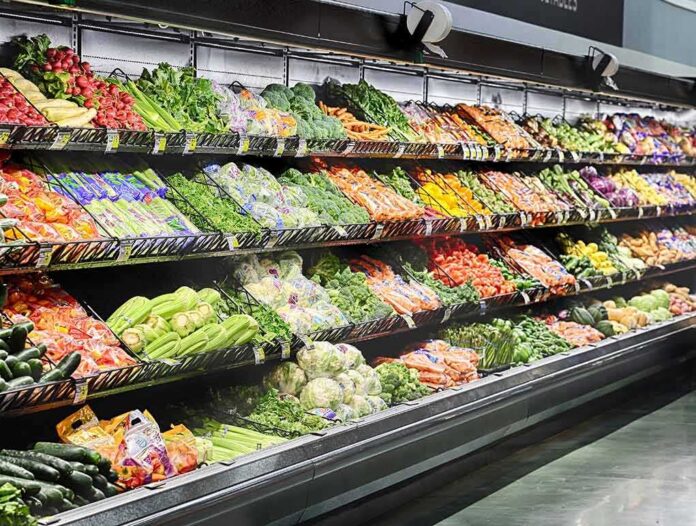
A parasite linked to shredded iceberg lettuce has spooked Americans so badly that salads are suddenly out of style and restaurant traffic is sinking.
Story Snapshot
- Federal officials tied a major Cyclospora outbreak to shredded iceberg lettuce from Taylor Farms in central Mexico, triggering a wide recall.
- News of “lettuce-gate” has pushed grocery lettuce sales down around 10–11% and hurt salad-focused restaurants.
- Taco Bell and other chains pulled suspect lettuce, saw steep drops in visits, and now face lawsuits and political pressure.
- The scare is spreading beyond iceberg lettuce to most leafy greens, feeding public distrust in regulators and big food suppliers.
How a Parasite Turned Lettuce into a National Worry
Federal health officials say a wave of cyclosporiasis, an illness caused by the Cyclospora parasite, is linked to shredded iceberg lettuce served at some Taco Bell locations. Investigators at the Centers for Disease Control and Prevention and the Food and Drug Administration traced many cases to lettuce grown in central Mexico and supplied by Taylor Farms de Mexico. The company responded by voluntarily recalling all iceberg lettuce from that region and pulling Marketside-branded salad and shredded lettuce products with specific date codes from shelves.
Officials describe this outbreak as part of a larger national surge in Cyclospora infections, with more than 4,000 confirmed cases across 41 states in some reports. Only a subset of those illnesses is firmly tied to the lettuce linked to Taco Bell, but the headline message is simple and scary for most people: a common fast-food topping appears tied to a parasite you cannot easily wash off. That kind of message travels fast in a country already worried about food safety and government oversight.
Big Recall, Bigger Panic in Grocery Stores and Restaurants
Once Taylor Farms announced its recall on July 17, grocery shoppers began backing away from lettuce of all kinds. Stew Leonard Jr., who runs a small supermarket chain in New York, New Jersey, and Connecticut, said his stores’ lettuce sales fell about 10–11%, even though the company does not buy from Taylor Farms. He said customers keep asking if lettuce is safe and often decide to skip it entirely, turning what began as a targeted recall into a broad “Great Lettuce Scare” for the produce industry.
Restaurant data show the same pattern. Foot-traffic firm Placer.ai found visits to salad-centered chains such as Sweetgreen, Chopt, Cava, Panera Bread, and Chipotle slumped as news about the outbreak spread. On some key days right after the Taylor Farms recall, Taco Bell’s visits dropped nearly 30% compared with typical levels earlier in the year, with double-digit declines also hitting Chopt and other chains. Analysts told business outlets they expect a one-quarter “air pocket” in demand, but many local owners fear some cautious customers may never fully come back.
Taco Bell, Taylor Farms, and the Politics of Blame
Taco Bell said it removed lettuce from the supplier identified by the Food and Drug Administration and stopped using iceberg lettuce from Mexico in affected states. Taylor Farms and giant distributor Sysco both said they were pulling all iceberg lettuce from central Mexico, not just the suspect lots, “out of an abundance of caution.” That sweeping move shows how worried big firms are about lawsuits and lost trust, even before every detail of the investigation is public or fully settled.
The outbreak and the recall quickly picked up a nickname: “lettuce-gate.” That label reflects more than a dirty salad problem. Many Americans on the left and right already believe federal agencies bend to pressure from big companies and political insiders. Now they see a huge supplier tied to thousands of illnesses, a major fast-food chain in the spotlight, and confusing signals about lab tests and traceback records. For people who think the government serves elites first, this episode fits a familiar pattern of late and unclear warnings.
Trust Gap: Confusion Over Risk and Official Messages
Public confusion is deep because regulators are still investigating while telling people to keep eating “safe” lettuce. The Food and Drug Administration said an early lab test on Taylor Farms lettuce produced a false positive, yet insists traceback data still point strongly to shredded iceberg lettuce as the source. At the same time, the Centers for Disease Control and Prevention warn that the lettuce-linked illnesses are only a subset of a much larger Cyclospora surge, which leaves people wondering how wide the danger really is.
Democrat Rep. Robert Garcia cited alleged private meetings between Taylor Farms and White House and FDA officials, the company’s donations to Trump PACs ahead of the FSMA 204 delay, and its "confusing" public statements about the Cyclospora outbreak.
👉 https://t.co/TydEWfBVXM pic.twitter.com/yok6z42quR
— Food Safety Magazine (@FoodSafetyMag) July 29, 2026
That mixed messaging feeds fears that the full story is being managed behind closed doors. Some shoppers are turning to local farmers markets and small produce stands, saying they trust nearby growers more than giant brands and federal agencies. Others skip salads altogether, sticking to cooked foods they feel they can control. Whether those choices are fully rational or not, they show a growing belief that ordinary people must protect themselves because the system that is supposed to guard the food supply is slow, political, and too cozy with big business.
Sources:
youtube.com, fda.gov, taylorfarms.com, consumerreports.org, nbcnews.com, cnn.com, food-safety.com, cbsnews.com, facebook.com, abcnews.com