Israeli Navy intercepted the final vessel of the Global Sumud Flotilla, a 42-boat convoy organized by pro-Palestinian activists
Story Highlights
- The Global Sumud Flotilla, a 42-boat convoy, was intercepted by Israel.
- High-profile figures, including Greta Thunberg, were on board.
- Israeli authorities initiated deportation proceedings against the activists.
- The incident amplifies the ongoing debate over Gaza’s naval blockade.
Israeli Navy Intercepts Global Sumud Flotilla Off Gaza Coast
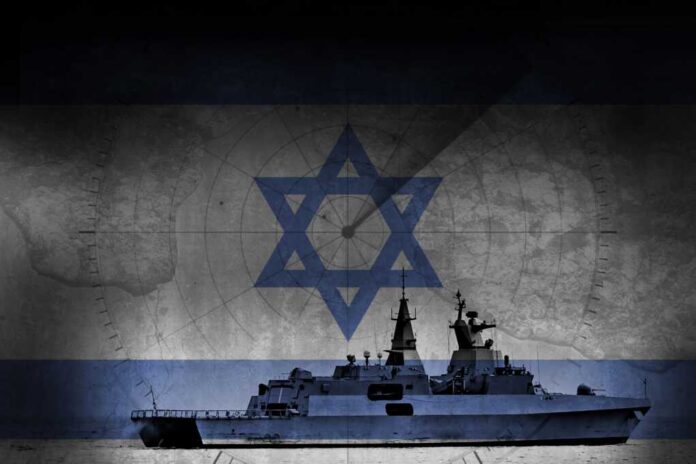
On October 2, 2025, the Israeli Navy intercepted the final vessel of the Global Sumud Flotilla, a 42-boat convoy organized by pro-Palestinian activists. The flotilla aimed to challenge the Israeli naval blockade on Gaza and deliver humanitarian aid. The interception occurred approximately 75 miles from Gaza.
Hundreds of volunteers, parliamentarians, lawyers, and activists, including Greta Thunberg, were reportedly on board the vessels, which had departed from Koufonisi islet, Greece, on September 26, 2025. Israeli forces stopped all vessels before they could reach Gaza, citing security concerns regarding potential weapons smuggling. Participants subsequently faced deportation proceedings.
Reports from participants indicate that Israeli naval forces ordered the boats to halt, jammed communications, used water cannons, and boarded the vessels. No humanitarian aid from the flotilla reached its intended destination in Gaza.
Final boat of 42-strong pro-Palestinian flotilla intercepted by Israel | Gaza flotilla | The Guardian https://t.co/H7kWbQtnos
— Catherine Margham (@cmmargham) October 3, 2025
Historical Context and Legal Perspectives
Israel has maintained a naval blockade on Gaza since 2007, citing security threats from Hamas. This blockade has been a subject of criticism from humanitarian organizations and has led to previous attempts by international activists to breach it. The 2025 Global Sumud Flotilla is noted as one of the largest such efforts since the 2010 Mavi Marmara incident.
Legal experts have presented arguments that the blockade may constitute collective punishment, while Israeli officials maintain that it is necessary for national security. The scale and public nature of this flotilla, coupled with documentation by activists, have drawn renewed attention to the situation in Gaza. The interception has also led to diplomatic tensions and calls for international intervention. The legality of the blockade remains a contentious issue in international law, particularly concerning humanitarian missions.
Implications and Future Considerations
The interception has both short-term and long-term implications. In the short term, it has increased international attention on the humanitarian situation in Gaza and may contribute to diplomatic tensions between Israel and the home countries of flotilla participants. In the long term, the incident could reignite debate over the blockade’s legality and humanitarian impact, potentially influencing international policy and future aid strategies.
Residents of Gaza continue to experience restricted access to aid, and activists involved in the flotilla face detention and deportation. Israeli authorities are currently under international scrutiny as they balance security concerns with humanitarian critiques. The ongoing blockade presents challenges for the humanitarian aid sector and remains a focal point for international discourse on human rights and maritime security.
Watch the report: How the Israeli navy intercepted the Global Sumud flotilla
Sources:
The Jerusalem Post – “IDF intercepts last Global Sumud Flotilla boat”
Final boat of 42-strong pro-Palestinian flotilla intercepted by Israel