New York City’s medical examiner ruled that the Madison Square Garden balcony fall that killed Connecticut father Paul Kueker was an accident, closing weeks of public uncertainty with a clear finding grounded in evidence.
Story Highlights
- Medical examiner said the death was an accident caused by blunt force injuries.
- Police said the 51-year-old fell from an elevated balcony at Madison Square Garden.
- The fall happened during a Goose concert; he was pronounced dead at a hospital.
- Accidents are the most common ruling in injury deaths reviewed by medical examiners.
Medical Examiner’s Ruling Ends Speculation
The New York City Office of Chief Medical Examiner said Paul Kueker died from multiple blunt traumatic injuries and ruled the manner of death an accident. The decision followed the standard process used in injury cases, where officials classify the manner of death based on medical and investigative facts when there is little or no evidence of intent. The ruling does not excuse the tragedy. It clarifies how the system reads the evidence and how public safety risks get recorded for prevention work.
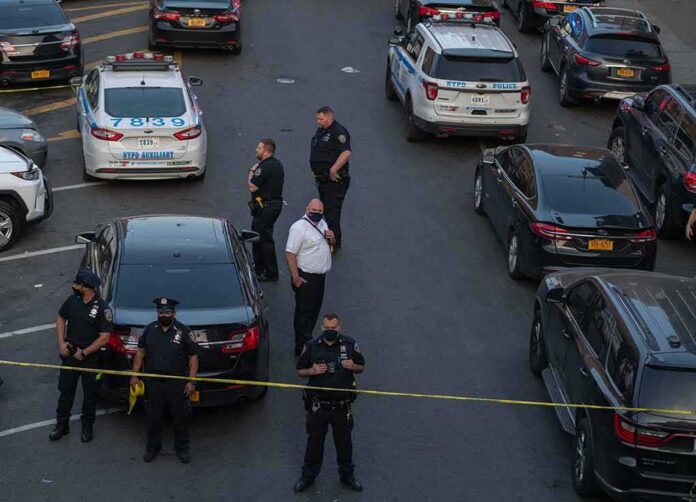
Police and local reports said Kueker, 51, of Connecticut, fell from an elevated position inside Madison Square Garden during a June 20 concert by the band Goose. Officers responded after a 911 call late that evening and found him unconscious and unresponsive. He was taken to Bellevue Hospital, where doctors pronounced him dead. The examiner’s ruling now aligns with those early facts and places the case in the accident category used across medical examiner systems.
What “Accident” Means In Death Investigations
Medical examiners use a small set of legal manners of death: natural, accident, suicide, homicide, undetermined, or pending. The National Center for Health Statistics guidance explains that “accident” applies when there is little or no evidence of intent to harm. That standard is common nationwide. In large reviews of traumatic injury deaths, accidents make up the largest share of cases, which include falls, traffic crashes, and other unintended events. That framework helps families, law enforcement, and public health track risks and patterns over time.
For families, an accident ruling can feel clinical next to real grief. But it matters for prevention. Public health and safety teams use these rulings to flag hazards, design venue safeguards, and push for better crowd and facility management. Research on traumatic spinal cord injuries found that 80 percent of manners of death in that category were accidents, and falls were a major mechanism in those cases. That base rate helps explain why a fall inside a venue would likely be classified as accidental unless evidence showed otherwise.
Event Details And Venue Context
Reports identified Kueker by name and confirmed the fall happened at Madison Square Garden during the Goose show. Earlier coverage described the emergency response timeline and the hospital pronouncement of death, consistent with a fall from a height inside the arena. Another outlet noted that this was the second fatal fall at the venue in three years, underscoring a rare but serious safety risk at large arenas with elevated seating and bridges. Those facts make venue design, guardrails, and crowd management active points of interest for safety planners.
Conservatives care about clear rules, personal responsibility, and honest reporting. This case shows why straight facts matter. Officials gathered evidence, followed the manual, and issued a ruling the public can understand. The method is not about politics. It is about accuracy and learning lessons. Venue operators, city inspectors, and event promoters should review safety checks and communications so fans get home safe. That is common sense and respects families who trust systems to work.
Why This Ruling Matters For Public Safety
Accurate classification drives better prevention. The federal handbook on death registration sets the standard language so states and cities speak the same way about accidents, suicides, and homicides. When falls are logged as accidents, data analysts can spot patterns and help guide fixes, from better rail heights to improved lighting and staff training. That is how communities reduce risk without heavy-handed rules that punish responsible fans or burden venues with red tape that does not improve safety.
Policy debates will continue on crowd safety, alcohol service, and venue design. But this ruling gives a firm baseline. A man fell from a height at a major arena and died from blunt force injuries. The medical examiner called it an accident, consistent with established standards and national patterns in injury deaths. The next step is practical: apply lessons so families can enjoy live events with confidence. Clear facts, prudent safety, and respect for life must guide that work.
Sources:
nypost.com, patch.com, facilitiesdive.com, ctinsider.com, pmc.ncbi.nlm.nih.gov, journals.sagepub.com