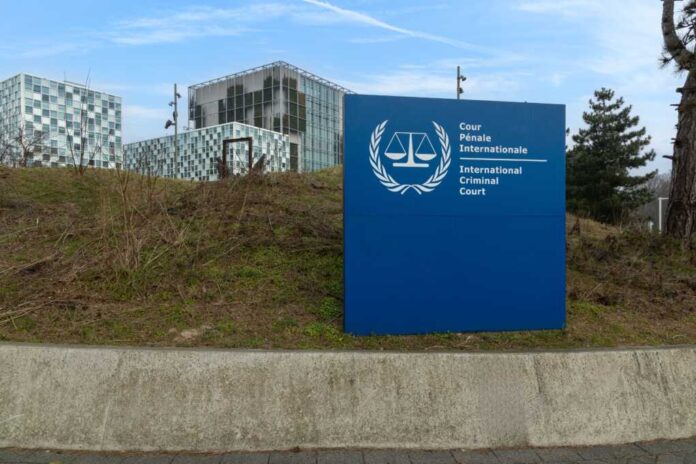
The International Court of Justice (ICJ) issued a binding order in May 2024, mandating Israel to facilitate greater humanitarian aid into the Gaza Strip. This decision, aimed at alleviating severe humanitarian conditions, has prompted discussions regarding international legal authority, national security, and the enforcement of court rulings.
Story Highlights:
- The ICJ has ordered Israel to permit more humanitarian aid into Gaza due to critical shortages of essential supplies.
- The ruling underscores the ongoing tension between a state’s security concerns and its obligations under international humanitarian law.
- International scrutiny on Israel’s blockade policies in Gaza has intensified following the court’s decision.
- The practical implementation and enforcement of the ICJ’s order remain uncertain, as the court lacks direct enforcement powers.
ICJ’s Binding Order on Gaza Aid:
In May 2024, the International Court of Justice issued a binding order instructing Israel to allow increased humanitarian aid into Gaza. This decision addresses the critical humanitarian situation in the region, where residents face severe shortages of food, water, and medical supplies. Israel has cited security threats from Hamas as justification for previous restrictions on aid.
Despite the ICJ’s ruling, the implementation and enforcement of the order are subject to question. The court does not possess direct enforcement mechanisms, relying on Israel’s adherence to international pressure. The blockade of Gaza, maintained by Israel as a security measure against Hamas, continues to be a point of international diplomatic contention.
BREAKING: The ICJ says Israel, 'as an occupying power' must facilitate UN aid efforts in Gaza, including UNRWA’s, and must ensure “basic needs” of Palestinians in Gaza.
🔴 LIVE updates: https://t.co/UQ0NHgZnce pic.twitter.com/QQkgz6sy1D
— Al Jazeera English (@AJEnglish) October 22, 2025
International and Legal Ramifications:
The ICJ’s decision carries significant implications for international law and humanitarian efforts. It highlights the complex balance between a state’s security interests and its responsibilities under international humanitarian norms. The court’s assessment of Israel’s security justifications for aid restrictions contributes to the ongoing debate concerning the limits of national sovereignty in humanitarian crises.
Historically, efforts to enforce international law in the Israeli-Palestinian conflict have encountered challenges, with limited success in altering conditions on the ground. For instance, the ICJ’s 2004 advisory opinion on Israel’s West Bank barrier, which found violations of international law, resulted in minimal policy changes. Consequently, the effectiveness of the current order in prompting substantive change remains to be seen.
Impact on Stakeholders and Future Prospects:
The primary stakeholders affected by this ruling include the residents of Gaza, who face ongoing humanitarian challenges, and the Israeli government, which is subject to increasing international legal and diplomatic pressure. Humanitarian agencies and the United Nations are positioned to play a crucial role in advocating for enhanced access and relief efforts in Gaza.
The International Court of Justice orders Israel to ensure passage of aid to civilians in Gaza Strip
In the short term, the order could potentially lead to increased aid flows, contingent on Israel’s compliance. Concerns exist regarding potential non-compliance. Long-term implications may involve shifts in international alliances and aid policies, as well as a strengthened role for international legal bodies in addressing humanitarian crises. The outcome of this legal intervention will be closely observed by various international actors.
Watch the report: Israel to allow limited aid into Gaza to ‘help expand ground operation’
Source:
UN’s top court tells Israel to stop blocking aid, end occupation
Israel must allow U.N. aid into Gaza, International Court of Justice says – National | Globalnews.ca
Top UN court to rule on Israel’s Gaza aid obligations | Arab News