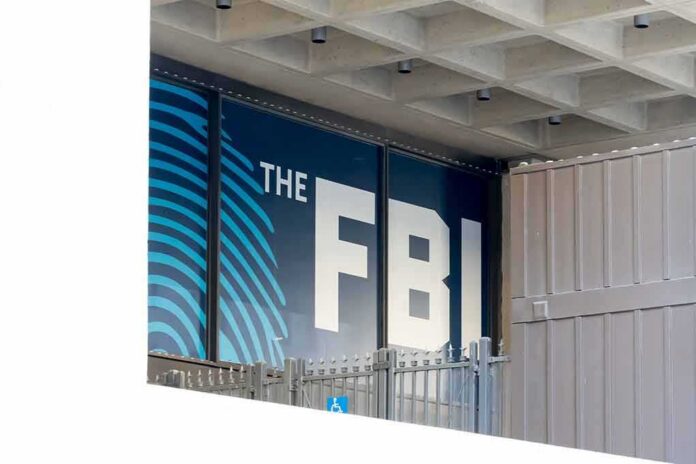
The Federal Bureau of Investigation quietly narrowed its hiring ban on applicants who once paid for sex, raising new questions about standards at the nation’s top law enforcement agency.
Story Snapshot
- The FBI will no longer automatically reject applicants for past prostitution-related conduct, using case-by-case review instead.
- Reported guardrails exclude recent, repeated conduct and acts while in a position of trust, which remain disqualifying.
- The shift follows years of misconduct findings and a long-standing Justice Department prohibition on soliciting commercial sex for employees.
- Current and former employees warn the change could undermine credibility in trafficking cases that rely on agent testimony.
What Changed In FBI Hiring Rules
Associated Press reporting says the Federal Bureau of Investigation will no longer treat an applicant’s prior encounter with prostitution as an automatic bar to employment. The bureau will instead review those cases by context during its suitability checks. CBS News adds that repeated or recent conduct, or activity while in a position of trust, remains disqualifying under the revised approach. The change narrows a once bright-line ban, while keeping exclusion for behavior that signals ongoing risk or poor judgment.
The Federal Bureau of Investigation has not posted a public directive outlining every element, and details in press coverage vary. Reporters describe a “holistic” review that weighs timing, frequency, and role-based trust. That tracks with how many federal suitability systems judge personal conduct: they flag criminality, coercion risk, blackmail exposure, and patterns of bad judgment, not single, distant events in all cases. This reframing is common in large agencies under hiring strain.
Why It Touches A Nerve Inside The Bureau
Current and former employees told CBS News they worry the policy could open the door to hiring people with questionable backgrounds. They warned it may weaken the credibility of agents who investigate human trafficking and later testify in court, where defense lawyers test integrity claims. Those concerns follow years of watchdog findings that documented Federal Bureau of Investigation officials who solicited prostitutes while on assignment, violating policy and hurting the bureau’s reputation.
Misconduct cases prompted stricter reminders across the Justice Department. A 2015 memorandum from the Attorney General barred all department employees from soliciting, procuring, or accepting commercial sex, on or off duty. That rule still applies to employees today. The Federal Bureau of Investigation also maintains internal directives on relationships and conduct that warn against behavior that harms mission readiness or judgment. The new hiring screen does not change those on-the-job bans, which carry discipline or removal.
Guardrails And The “Holistic” Screen
CBS News reporting says the Federal Bureau of Investigation will still disqualify applicants whose conduct was recent, repeated, or occurred while they held a position of trust. Reporters cited examples such as three or more incidents, activity within the last decade, or solicitation tied to a trusted role, which would remain bars to hire. That approach tries to separate older, isolated behavior from patterns that pose risk today, while preserving a clear line against abuse of authority.
FBI LOWERS HIRING STANDARDS: PROSTITUTION, THEFT, EVEN BESTIALITY NO LONGER AUTOMATIC DISQUALIFIERS
THE NEW POLICY — According to a CBS News investigation and an internal FBI memo from June 16, 2026, the bureau has quietly relaxed its eligibility requirements for job applicants… https://t.co/HWOjbu7mph pic.twitter.com/acxH3TTcAV
— THE WORLD CORRESPONDENT (@TheWorldCorresp) August 28, 2026
Security adjudicators across government already judge sexual behavior based on whether it breaks laws, creates coercion risk, or shows ongoing poor judgment. They focus on patterns and recency more than distant, single events. The Federal Bureau of Investigation shift mirrors that model in screening new hires, even as it keeps strict workplace bans. That balance seeks to expand the hiring pool without lowering ethical standards once someone is on the job.
Why This Matters Beyond One Agency
Americans across the political spectrum worry that rules seem to bend for insiders while standards tighten on everyone else. The Federal Bureau of Investigation change lands in that climate. Supporters see a practical fix to fill critical roles by judging people on the whole of their record. Critics see one more step away from clear standards in a justice system that asks citizens to trust its word. Both sides want accountability that is real, not just on paper.
What To Watch Next
Congress is already pressing for tighter oversight of Federal Bureau of Investigation hiring. A bill would order reviews of post-hiring compliance to verify that all requirements were met, signaling ongoing scrutiny from lawmakers. Look for whether the bureau publishes formal guidance, how many applicants are affected, and how courts treat agent credibility in trafficking and corruption cases. Watchdogs will likely track whether the guardrails hold or if discipline trends shift in the years ahead.
Sources:
abcnews.com, ria.ru, apnews.com, fbi.gov, oig.justice.gov, fbijobs.gov, abcnews.go.com