
A state review says an officer was justified in a shooting that killed a 1-year-old during a shoplifting call, but key videos remain unseen by the public.
Story Snapshot
- Mississippi’s Attorney General said the shooting was justified after a state probe.
- The review followed a Mississippi Bureau of Investigation inquiry under state law.
- The June 14, 2026 incident began with a Walmart shoplifting report in Senatobia.
- The family’s lawyer disputes the finding and urges release of body-camera video.
State Finding After Formal Investigation
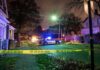
Mississippi’s Attorney General announced the officer’s use of force was justified in the death of 1-year-old Kohen Wiley, ending a months-long review. The decision relied on an investigation by the Mississippi Bureau of Investigation and a legal review under Section 45-1-6 of the state code, according to public statements. The case began June 14, 2026, when Senatobia officers answered a shoplifting call at Walmart. The announcement did not include a detailed legal memo or full evidence log.
Officials described an encounter in which officers said they saw Vellesiya Wiley carry her son, enter a vehicle with a family friend, and begin to drive away. The state’s conclusion framed the shooting within accepted deadly-force standards that focus on an immediate threat. However, the public has not seen body-camera or store video that could show angles, officer positions, warnings, or the vehicle’s path at the moment shots were fired.
What We Know—and What We Don’t
Reporters cited that the Mississippi Department of Public Safety has not released key videos, including officer body-camera footage and Walmart surveillance. A bystander video described in coverage does not capture the gunfire or show the vehicle driving toward officers, which limits public review of the threat claim. Without video and a full timeline, questions remain about distance, shot direction, and whether other tactics were possible in that moment.
Federal court rulings set the backdrop for such cases. The United States Supreme Court held in Tennessee v. Garner that deadly force is not allowed to stop a fleeing person unless there is an immediate threat to officers or others. Later decisions, including Scott v. Harris and Plumhoff v. Rickard, gave officers more leeway when vehicles pose serious danger. These cases explain why investigators focus so much on the “immediate threat” question.
Family Challenge and Community Tension
Civil-rights attorney Ben Crump challenged the ruling and said a preliminary independent autopsy suggested the child was shot from the side of the vehicle, not the front. He argued that this cuts against claims the car was heading toward officers and called for release of the body-camera footage so the public can judge the findings. Community protests in Senatobia have pressed for answers since June and continued after the ruling.
Mississippi Attorney General Lynn Fitch's office announced Monday it had completed its review of the shooting that killed one-year-old Kohen Wiley, and that the "use of force was justified," meaning the state will not bring criminal charges in the case.
Kohen's family and local… pic.twitter.com/fYz3h5YPqe
— BreakThrough News (@BTnewsroom) October 20, 2026
Both conservatives and liberals see a deeper problem here: a system that shields facts and delays accountability. Many Americans fear officials protect their own, while the public gets headlines without evidence. When the state closes a case without releasing core records, trust erodes. Releasing the full investigative file, video, and a clear legal analysis would help people see what investigators saw and test the state’s threat assessment for themselves.
Sources:
cbsnews.com, edition.cnn.com, newsday.com, wreg.com, cnn.com