A vaccine skeptic’s claim linking COVID-19 shots to royal cancer diagnoses has ignited outrage among health leaders and political figures.
At a Glance
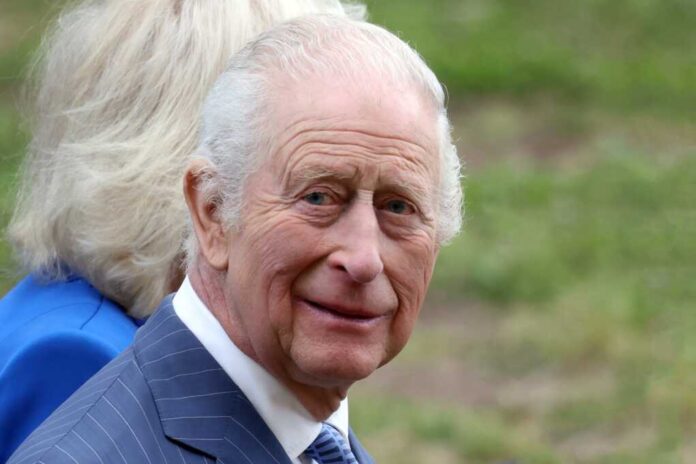
- Dr. Aseem Malhotra tied COVID-19 vaccines to cancer in King Charles III and Kate Middleton.
- Experts and UK officials dismissed the remarks as dangerous pseudoscience.
- Reform UK was slammed for hosting the speech at its party conference.
- Health Secretary Wes Streeting demanded an apology and stronger safeguards.
The Claim That Sparked a Storm
At a Reform UK conference in Birmingham, cardiologist Aseem Malhotra claimed COVID-19 vaccines may have fueled cancer in the British royals.
The remarks were made in a political setting, not a scientific venue, and drew immediate backlash from health authorities.
Watch now: Malhotra’s Vaccine Claims Ignite Backlash
Malhotra, who also advises U.S. presidential candidate Robert F. Kennedy Jr., has long questioned vaccine safety. His latest claim reached new controversy by directly citing King Charles III and the Princess of Wales.
Expert and Government Pushback
Medical experts swiftly countered Malhotra’s assertion, calling it baseless. Cambridge professor Brian Ferguson described the statement as “meaningless pseudoscience.”
No peer-reviewed evidence has ever linked COVID-19 vaccines to cancer development, according to multiple advisory panels.
Health Secretary Wes Streeting called on Reform UK to cut ties with Malhotra. He labeled the remarks “dangerous extremism” and warned of the risks to public trust.
Officials stressed that undermining confidence in vaccines could lead to avoidable illness and erode years of public health gains.
Reform UK’s Platform Under Fire
Reform UK faced criticism for granting Malhotra a stage. The incident renewed debate over whether political parties should host speakers who spread misinformation.
Opponents accused the party of fueling public confusion at a time when trust in health institutions remains fragile.
The conference setting gave the claims broader reach than isolated online rumors. Critics argue this raised the stakes, blurring lines between political speech and public health misinformation.
Consequences for Public Health
The fallout is already visible. General practitioners report rising patient concerns about cancer risk and vaccines. Public anxiety may worsen as misinformation continues to circulate.
In the longer term, vaccine hesitancy could rise, dragging down immunization rates across Britain and leaving gaps for preventable diseases to return.
The royal family, though not directly commenting, remains entangled in the speculation. Their health struggles have become a magnet for misinformation, adding another layer of pressure to an already fraught situation.
Sources