In a period of elevated global uncertainty, the Middle East has become a nexus of complex diplomatic and geopolitical maneuvering. This article examines Russia’s strategic pivot to a mediator role, engaging directly with Israeli and Iranian leadership as severe domestic unrest grips Iran and the United States escalates threats of military action. The discussions highlight a delicate balancing act by Moscow to stabilize the region, reaffirm ties with Tehran, and counter US influence, all while the region’s traditional alliances and power dynamics face a crucial test.
Story Highlights
- Putin conducts pivotal phone calls with Netanyahu and Pezeshkian amid rising tensions.
- Russia offers mediation to de-escalate potential conflicts in the Middle East.
- Iran faces severe domestic unrest with mass protests and government crackdowns.
- The US, under Trump, threatens military action, yet seeks diplomatic solutions.
Russia’s Diplomatic Maneuvering
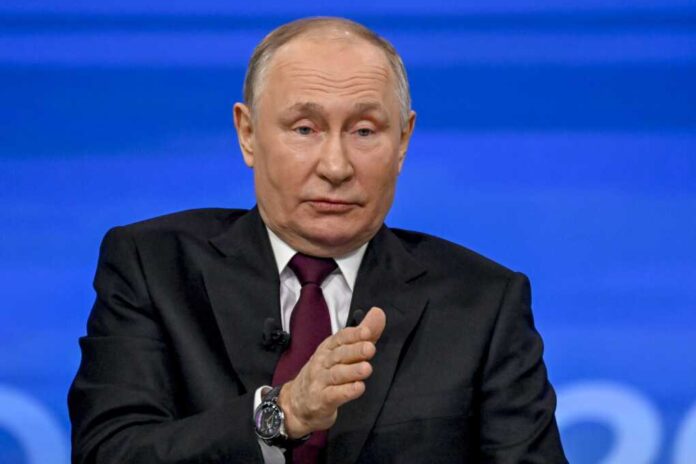
On January 16, 2026, Russian President Vladimir Putin engaged in significant diplomacy with Israeli Prime Minister Benjamin Netanyahu and Iranian President Masoud Pezeshkian. These calls occurred against a backdrop of heightened tensions in the Middle East, including severe domestic unrest in Iran and threats of US military intervention. By positioning Russia as a mediator, Putin aims to de-escalate potential conflicts and reaffirm strategic ties with Tehran.
The discussions highlight Russia’s attempt to stabilize the region amidst global isolation, leveraging its ties with both Israel and Iran. This dual-channel diplomacy underscores Russia’s strategic intent to mitigate US influence while fostering regional security. The conversations focused on Middle Eastern stability and the potential for political and diplomatic resolution.
https://x.com/47_phantom47/status/2012142555467804914
Iran’s Domestic Unrest
Iran is currently grappling with widespread protests sparked by dire economic conditions, including inflation, power shortages, and water scarcity. The government’s cruel response, involving internet blackouts and the reported deaths of over 2,677 protesters, has drawn international condemnation. Amidst this turmoil, Iran seeks to maintain alliances and quell internal dissent, with Russia playing a crucial role in diplomatic engagements.
These developments have significant implications for the power dynamics in the region. Russia’s involvement could potentially stabilize the situation, but the ongoing protests pose a risk to Iran’s internal stability and could influence broader geopolitical strategies. Meanwhile, the US remains vigilant, utilizing diplomatic channels to address the crisis while avoiding direct military confrontation.
US and Israel’s Strategic Concerns
Under President Trump’s administration, the US has ramped up pressure on Iran, threatening military action but also engaging in diplomatic talks. Israel, led by Netanyahu, prioritizes its security, seeking assurances against Iranian aggression. The use of Russia as a back channel reflects a complex web of relationships where traditional alliances are tested by emerging geopolitical realities.
The interplay between these nations underscores the delicate balance of power in the region. While Russia’s mediation efforts aim to provide a peaceful resolution, the underlying tensions continue to pose a threat to regional and global stability. The outcomes of these diplomatic efforts could redefine alliances and reshape the Middle East’s future geopolitical landscape.
Watch the report: Russia To Stop US Strike On Iran? Putin’s Secret Calls With Netanyahu & Pezeshkian Raise Big Doubts
Sources:
- Putin, Israeli PM discuss Iran in phone call as Tehran tensions with US rise
- Putin Holds First Talks with Iranian, Israeli Leaders Amid Mass Protests and US Threats
- Putin pitches himself as mediator after calls with Israel, Iran amid regional tensions
- Kremlin says Putin is mediating in Iran situation to try to de-escalate | Reuters