South Carolina Death Row Inmate Dies After 42 Years Without Execution
Story Highlights
- Fred Singleton, 81, died of natural causes after 42 years on death row.
- Singleton was convicted in 1983 for rape and murder.
- The case highlights the administration of the death penalty.
- South Carolina faces challenges in executing death row sentences.
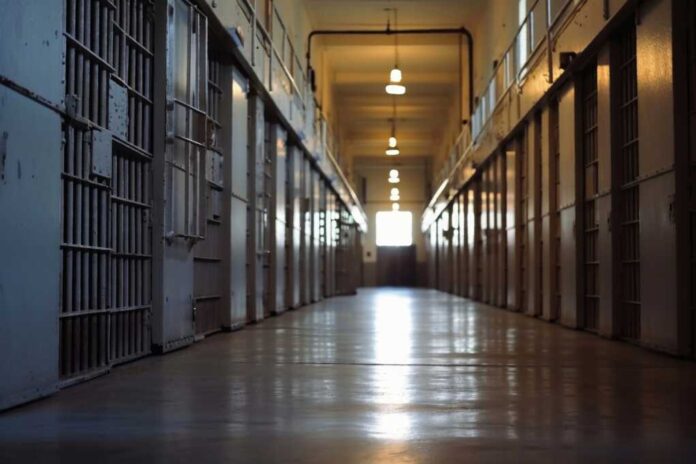
Fred Singleton, South Carolina’s longest-serving death row inmate, passed away at the age of 81 from natural causes at the Kirkland Correctional Institution. Singleton was convicted in 1983 for the rape and murder of a 73-year-old woman and spent 42 years awaiting execution. This duration has drawn attention to the systemic issues within the state’s capital punishment framework.
The case has prompted discussion regarding the complexities and delays observed in the death penalty process, with questions raised about the efficiency of a system that permits extended incarceration without resolution.
South Carolina has encountered difficulties in carrying out executions, similar to other states. Challenges such as the acquisition of lethal injection drugs have contributed to a de facto moratorium, leading to an aging population on death row. Singleton’s case illustrates these challenges, as legal appeals and procedural delays extended the duration of his sentence.
DECADES BEHIND BARS: South Carolina's longest-serving death row inmate dies of natural causes pic.twitter.com/dK9rkbz0We
— Fox News (@FoxNews) October 11, 2025
Systemic Challenges in Capital Punishment
The death penalty in South Carolina was reinstated in 1976 following the U.S. Supreme Court’s Gregg v. Georgia decision. Since then, the state has navigated logistical, legal, and ethical challenges in executing death row inmates. Singleton’s case is an example of these systemic issues, raising questions about the appeals process, the aging of inmates, and the implications of long-term death row imprisonment.
Singleton’s death without execution underscores observed inefficiencies in the current system and has prompted calls for a review and potential reform of capital punishment practices. Advocates for criminal justice reform suggest that lengthy death row stays may affect the intended deterrent effect and raise human rights considerations.
Implications for Future Death Penalty Policies
Fred Singleton’s death could contribute to renewed discussions regarding the death penalty in South Carolina and nationally. The prolonged nature of his incarceration raises questions about the viability and morality of capital punishment, particularly when executions are indefinitely delayed.
Policymakers may face increased pressure to address these issues, with Singleton’s case potentially serving as a catalyst for broader conversations on the future of the death penalty. The economic and social considerations of maintaining an aging death row population are notable, and there is ongoing discussion about reform to ensure justice administration.
Watch the report: SC inmate dies after 42 years on death row
Sources:
WACH News (October 2025): Oldest death row inmate in South Carolina dies
S.C.’s longest-serving death row inmate dies in prison.
State’s longest-serving death row inmate dies after 42 years in jail – ABC News