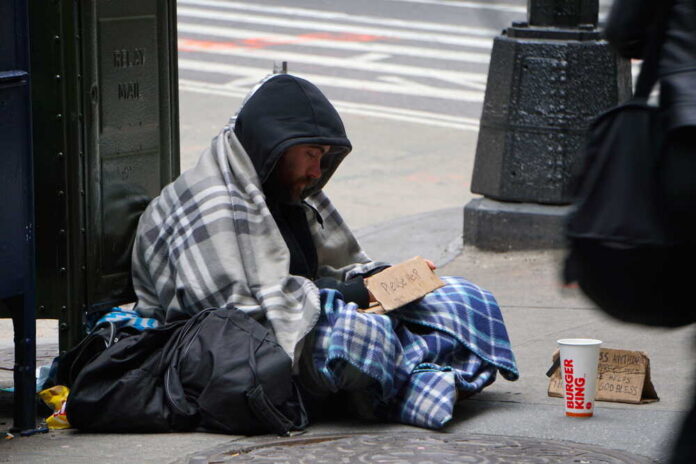
Seattle’s streets have descended into chaos as homelessness and open-air drug use spiral under newly elected Mayor Katie Wilson, with frustrated residents and business owners demanding accountability while city officials rush to deploy emergency measures amid a crisis that has grown 26 percent in just two years.
Story Snapshot
- King County homelessness surged 26% from 2022 to 2024, reaching 16,868 people despite $118.93 million in city spending
- Mayor Katie Wilson faces intense backlash as tent encampments and drug use overwhelm parks and neighborhoods in early 2026
- City council advances $5 million proposal for 500 tiny homes as emergency response to visible street-level deterioration
- Housing costs identified as primary driver, with Seattle rents rising 41.7% from 2010-2017 versus 17.6% nationally
Crisis Reaches Breaking Point Under New Leadership
Mayor Katie Wilson assumed office in early 2026 confronting an immediate firestorm as homeless encampments proliferated across Seattle’s streets, parks, and public spaces. Local residents, grassroots organizations, and business owners erupted in frustration, claiming city leadership has failed to provide accountability while neighborhoods deteriorate. The visible chaos of tent cities and open-air drug markets stands in stark contrast to the city’s tech-driven wealth, creating a divide that has become impossible to ignore. Wilson rushed forward emergency measures, including encampment sweeps in Beacon Hill parks such as Daejon, Lewis, and Sturgus, attempting to regain control of public spaces overwhelmed by addiction and untreated mental illness.
Spending Increases as Numbers Climb Higher
Seattle committed $118.93 million to homelessness services in 2024, channeling most funds through the King County Regional Homelessness Authority established in 2022. Despite this substantial investment, the 2024 Point-in-Time Count documented 16,868 homeless individuals across King County, a staggering 26 percent increase from 2022 figures. The Seattle metro area alone accounted for 9,440 of those counted. Shelters remain overcrowded, forcing thousands to sleep in tents clustered on sidewalks and under overpasses. The city’s Human Services Department emphasizes prevention and regional coordination, yet the crisis continues deepening with job losses and evictions pushing more residents onto streets where 84 percent were already local before losing housing.
Tiny Homes Proposal Advances Amid Skepticism
Wilson’s administration pushed a $5 million proposal through the city council’s Finance Committee in April 2026, aiming to construct 500 tiny home units by June. The full council vote looms as residents question whether band-aid solutions can address systemic failures that have allowed the problem to metastasize over more than a decade. Critics argue that progressive housing-first policies have enabled street chaos without addressing addiction or mental health crises head-on. The proposal reflects the urgency city leaders feel as public safety concerns mount and neighborhoods demand action. Business owners report disruptions from encampments blocking storefronts and parks rendered unusable by drug paraphernalia and sanitation hazards, eroding quality of life for law-abiding taxpayers footing the bill.
Housing Costs Drive West Coast Homelessness Epidemic
Research reveals Seattle’s homelessness rates run five times higher than cities like Chicago or Detroit despite comparable poverty and opioid addiction levels, with housing costs identified as the decisive variable. Median rents skyrocketed 41.7 percent from 2010 to 2017 compared to the national average of 17.6 percent, driven by Amazon’s headquarters expansion and gentrification pressures. The city added 67,000 housing units between 2010 and 2020, but rental losses offset gains, leaving a severe affordable housing shortage. Root causes documented by the mayor’s office include mental health and addiction issues, poverty, racial disparities affecting African American and Native American populations disproportionately, and gaps in criminal justice and foster care systems that funnel vulnerable individuals onto streets with few safety nets.
The long-term implications extend beyond immediate public safety risks and park closures. Persistent visible homelessness strains municipal budgets while eroding the social fabric of communities watching their neighborhoods decline despite record spending. Residents across the political spectrum increasingly agree that government officials prioritize reelection over solving intractable problems, fueling frustration with what many perceive as an unaccountable elite class more interested in preserving their positions than delivering results. Whether tiny homes and encampment sweeps can reverse the trajectory remains uncertain, but the deepening crisis underscores a fundamental failure of governance that transcends party labels and demands accountability from those entrusted with public resources and the common good.
Sources:
City of Seattle Human Services: Addressing Homelessness
King County Homelessness Point-in-Time Count Data
King County Regional Homelessness Authority