When a Black Democrat publicly says her own party should “pay” Black voters for their support, it exposes how both parties treat voters like assets on a balance sheet, not citizens in a republic.
Story Snapshot
- Texas State Rep. Jolanda Jones says Senate nominee James Talarico is funding white and Hispanic voter outreach while leaving Black groups unfunded.
- Jones argues Black votes must be “earned” through real investment in Black media, organizers, and local infrastructure, not taken for granted.
- Conservative outlets mock her as a “skin grifter,” turning a structural funding fight into a click-bait race scandal.
- No public campaign finance data yet proves or disproves her claims, highlighting how little transparency voters get from either party.
A party fight that hits a nerve for both left and right
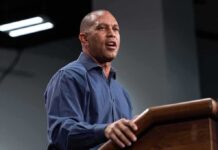
At the 2024 Texas Democratic Party convention, Houston State Rep. Jolanda Jones stood on stage and told fellow Democrats that the “road to blue goes through Black.” She warned that after Congresswoman Jasmine Crockett’s loss in the Senate primary, there were “zero, zilch, nada” Black candidates running statewide, and Black Texans were “hurt, angry and discouraged.” She insisted the Black vote must be earned, not assumed or demanded. Her words quickly spread far beyond the convention hall.
Jones says she reached out to James Talarico in March and never got a reply, a claim that so far rests only on her public testimony. She accuses Talarico’s Senate campaign of pouring money into get-out-the-vote efforts aimed at white and Hispanic voters while leaving Black community infrastructure unfunded. She also points to the lack of Black statewide candidates as a warning sign that the party is taking its most loyal voters for granted. Talarico’s campaign has not released a detailed answer to these specific charges.
“Pay us for our votes” or build real infrastructure?
Jones’s core argument is not about handing out cash for ballots. She says radio shows, digital ads, door-knocking and rides to the polls all cost money, and that campaigns must invest in Black-owned media and local Black organizers if they expect strong turnout. Political research backs up the idea that turnout among poor and minority voters rises when campaigns spend real resources on direct contact and falls when they do not. In plain language, she is telling party leaders: stop assuming inspiration is enough and start funding the work.
Yet conservative media sites and social accounts quickly branded her push as “skin grifting,” claiming she wants Democrats to “pay Blacks for their votes.” That phrase turns a debate over campaign spending into a story about personal greed and race hustling, and it distracts from the harder question: who gets the big checks when campaigns decide where to spend? At the same time, Texas Democratic leaders have mostly stayed silent in public about her claims, avoiding a fight but also dodging basic accountability.
Talarico’s money machine and the missing receipts
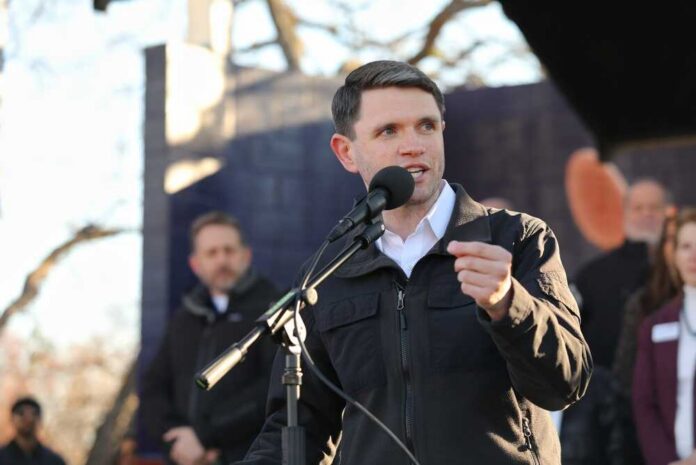
On paper, Talarico has more than enough money to fund serious outreach to every community. His Senate campaign has raised over $70 million from about 1.5 million donations, and he has outraised Republican Attorney General Ken Paxton by more than three to one in recent reporting. National coverage notes that his donor base “went national” after he won the primary, meaning much of his money now comes from outside Texas. That kind of haul puts him in rare company and gives him huge power to shape which voices get amplified.
But voters do not yet see a clear breakdown of where that money goes inside Texas. No public filings have been highlighted that show which voter outreach firms, media outlets, or community groups are actually getting paid, and which neighborhoods they focus on. Without that, Jones’s charge that Black infrastructure is being skipped remains an allegation, not a proven fact, but it also cannot be dismissed. The missing piece is basic transparency: detailed vendor lists, contracts, and spending by type of outreach. Voters of every background are left guessing while consultants and insiders know the real answers.
The deeper pattern: base voters as an afterthought
This fight in Texas fits a wider pattern inside the Democratic Party. Black activists and scholars have warned for years that party leaders often assume Black voters will stay loyal no matter what, while campaign cash flows to swing suburbs, rural outreach tests, or national progressive causes. At the same time, groups like the National Association for the Advancement of Colored People have battled state maps and rules that already make it harder for Black voters to translate turnout into real power. When party insiders then underfund Black outreach, it adds insult to injury.
Skin Grifting: Texas Democrat Jolanda Jones Says James Talarico Needs to Pay Blacks for Their Votes https://t.co/Zp9x5Vsbfg
— 🌺🌿kam🌿🌺 (@pjkate) July 11, 2026
For many conservatives and liberals alike, the story under the “skin grifting” headline hits a shared nerve. People watch both parties raise huge sums, pay armies of consultants, and still fail to fix broken schools, unsafe neighborhoods, rising costs, and a rigged economic ladder. They see communities treated as “vote banks” to be activated every two or four years, then ignored. Whether you live in a red county or a blue city, that is the same basic fear: that the political class is talking about you, fighting over you, and cashing checks in your name, but not really working for you.
Sources:
twitchy.com, jolandajones.com, advocate.com, facebook.com, instagram.com, youtube.com, houstonpublicmedia.org, transparencyusa.org