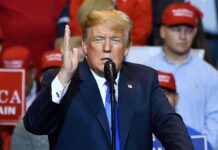
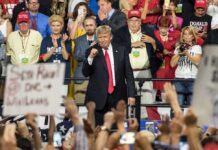
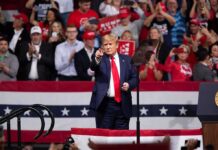
Donald Trump’s brief absence from public view over the Labor Day weekend sparked a torrent of online speculation that he had died, fueling viral hashtags and forcing the White House to clarify his health status.
At a Glance
- Trump unseen publicly from August 26 to August 31, 2025
- Hashtags like #TrumpIsDead and #WhereIsTrump trended across social media
- Vice President J.D. Vance said he was “ready” to serve if needed
- White House clarified Trump has chronic venous insufficiency, not a serious illness
- Rumors ended after Trump was spotted golfing in Virginia with his grandchildren
Online Rumors Take Over
The rumor mill ignited after Trump vanished from the public eye following a Cabinet meeting on August 26, 2025. With the White House schedule left unusually blank heading into Labor Day, speculation mounted across social media platforms. Hashtags such as #TrumpIsDead and #WhereIsTrump trended globally, generating millions of posts within hours.
Contributing to the frenzy were recent photographs showing visible bruising on Trump’s hands and ankles. Online commentators linked these marks to theories of serious health decline, despite the White House clarifying that he suffers from chronic venous insufficiency, a common circulatory condition in older adults. The bruises, officials explained, were aggravated by frequent handshakes and daily aspirin use.
Watch now: Breaking: President Trump Comes Out After Death Rumors | Trump’s New
VIDEO Playing Golf Goes Viral · YouTube
White House and Allies Respond
The speculation intensified after Vice President J.D. Vance remarked that he was “ready” to assume responsibility if circumstances required. While the statement was intended as reassurance, many interpreted it as confirmation of Trump’s possible incapacitation.
Trump himself attempted to drown out the rumors through his social media platform, posting over 40 messages in a single day. The posts ranged from attacks on political opponents to whimsical AI-generated images and commentary on White House renovations. Instead of calming speculation, the unusual volume of content only added to confusion over his condition.
Meanwhile, influencers and public figures stepped in to challenge the narrative. Online streamer Adin Ross broadcast to millions of followers that Trump was alive and well, attempting to counterbalance the trending hashtags. Despite these efforts, the rumors persisted for several days before new evidence emerged.
Public Sighting Ends Speculation
On August 31, Trump was finally seen leaving the White House in golf attire en route to his club in Sterling, Virginia. Photographers captured him smiling with family members, including his grandchildren. The outing quickly circulated in the media, effectively ending the death speculation that had dominated online discourse.
The episode underscored the speed with which misinformation can spread online when combined with an information vacuum. Mainstream media outlets noted the lack of real-time transparency about Trump’s health and schedule as a central factor fueling the rumors. Analysts argued that in the absence of reliable updates, speculation can overtake fact within hours, amplified by algorithm-driven platforms.
The Trump death rumor cycle may fade as quickly as it appeared, but it has already revealed the fragility of digital trust. The speed at which unverified claims became accepted fact for millions highlights the growing challenges of governance in an age of instant misinformation. Whether this prompts changes in how presidential health disclosures are managed remains to be seen.
Sources