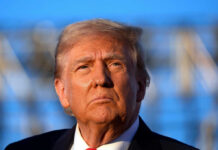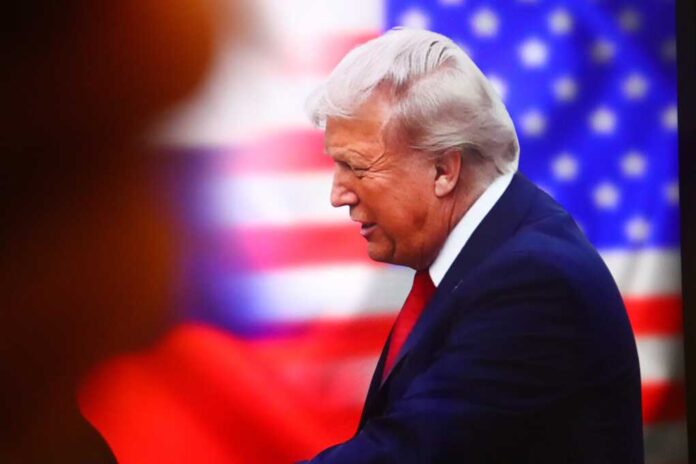
A federal court has allowed President Trump’s lawsuit against the Des Moines Register and Iowa pollster J. Ann Selzer to move forward in state court. This development marks a significant legal action concerning alleged media election interference and could influence future interpretations of consumer fraud laws in relation to election coverage and First Amendment protections.
Story Highlights
- Trump’s legal team successfully transferred the lawsuit regarding a disputed Iowa poll from federal to state court.
- The lawsuit claims the poll, which incorrectly projected Trump trailing in Iowa, constituted intentional election interference.
- This case explores the application of consumer fraud laws to hold media and pollsters accountable for potentially misleading election reporting.
- Critics express concerns that the lawsuit could impact free speech, while supporters view it as a necessary measure against media manipulation.
Trump’s Legal Action Targets Alleged Election Interference
President Trump’s lawsuit focuses on a November 2024 Iowa Poll, published by J. Ann Selzer and the Des Moines Register shortly before the election. The poll indicated Trump was behind Kamala Harris in a state he ultimately won by more than 13 points. Trump’s legal team alleges this was a deliberate attempt to influence the election outcome, characterizing it as interference designed to reduce conservative voter turnout and misinform the public. By pursuing the case in Iowa’s state courts, Trump seeks to hold both the pollster and the newspaper accountable under consumer fraud statutes.
Selzer didn't miss. She used her position to try and sway the election. We need to hold Selzer and her employer accountable for her BS:
Trump scores legal win, getting lawsuit against Iowa pollster, Des Moines Register moved to state court https://t.co/bDNDzdv88A #FoxNews— Allen Huggins (@AllenHuggins8) October 25, 2025
The decision by the Eighth Circuit Court of Appeals to grant Trump’s request for a writ of mandamus, dismissing the federal case “without prejudice,” facilitates state-level adjudication. This action keeps the case within Iowa’s jurisdiction, which Trump’s team may consider a more favorable legal environment. It also reflects a broader challenge to established media institutions amid concerns among some conservatives regarding the credibility and perceived biases of mainstream news outlets.
First Amendment and Media Accountability Debate
The central legal argument of the lawsuit—the use of consumer fraud laws, typically applied to commercial deception, to challenge a political poll—is considered unprecedented. Free speech advocates, including the Foundation for Individual Rights and Expression (FIRE), caution that such lawsuits could restrict political discourse and weaken First Amendment protections. Conversely, proponents argue that unchecked media bias and inaccurate narratives pose a threat to the integrity of American elections and public trust. The outcome of this case could establish new legal risks for media organizations and pollsters regarding the dissemination of inaccurate information, particularly when it affects electoral results.
Both sides acknowledge the high stakes involved. A favorable ruling for Trump could encourage similar legal actions against perceived “fake news,” while a dismissal would reinforce existing broad legal protections for the press. The Des Moines Register and Selzer maintain that any inaccuracies in the poll were unintentional and defend their work as transparent and responsible journalism. Trump’s campaign views this legal action as a necessary check on organizations it believes consistently undermine conservative candidates and values.
Broader Implications for Elections and Conservative Perspectives
For conservative Americans, the case extends beyond Iowa, addressing long-standing concerns about media influence, globalist narratives, and perceived disregard for constitutional principles. If Trump’s lawsuit is successful, it could set a precedent allowing individuals and candidates to challenge what they view as coordinated efforts to influence elections through polling or reporting. However, critics warn that such litigation could also be misused, potentially jeopardizing open debate and the diverse media landscape essential to American democracy.
The progression of this lawsuit in Iowa state court will be closely observed by those concerned about “woke” agendas, government overreach, and media institutions perceived as hostile to traditional American values. The outcome has the potential to redefine the interaction between the First Amendment and state-level consumer fraud protections, influencing the future of political campaigns, polling, and press accountability.
Watch the report: Trump sues Des Moines Register and top pollster over final Iowa survey
Sources:
Trump scores legal win, he gets lawsuit against Iowa pollster, Des Moines Register moved to state court
Court: Trump legal win in election interference case against Ann Selzer, Iowa Poll
Trump Des Moines Register lawsuit: Federal court judge rules in Iowa Poll case