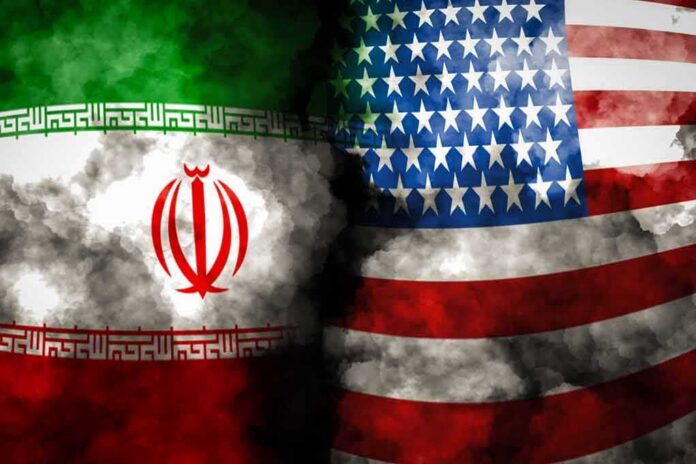
Iran’s supreme leader used a formal message to brand the United States and Israel as the “real enemy” and press Gulf rulers to unite against them, sharpening a region-wide test for Washington and its partners.
Story Highlights
- Iran’s top leader urged Muslim and Gulf countries to confront the United States and Israel as “the real enemy”.
- The written message tied Muslim unity to security and political cooperation across the Gulf.
- The call lands amid tension around the Strait of Hormuz and wider regional conflict.
- Competing outlets echoed the same core message, while framing its aims differently.
What Iran’s Leader Said And Why It Matters
Iran’s Supreme Leader, Ayatollah Mojtaba Khamenei, issued a written message calling on Muslim nations to unite and identify their “real enemy,” naming the United States and Israel. The message urged rulers, especially in West Asia and the Persian Gulf, to coordinate and confront outside powers that, he said, profit from division among Muslims. The leader linked unity to better security and political cooperation. Regional and international outlets reported the same core points from the message’s text and timing.
The appeal fits a long pattern in Iran’s messaging, which often blends calls for religious solidarity with direct criticism of United States and Israeli policy. Iran’s leaders tend to elevate that theme during symbolic calendar moments and times of crisis. This round arrived as regional conflicts strain Gulf security and as oil routes and energy markets remain sensitive to shocks. Those conditions raise the stakes for any statement that hints at a broader front against Washington and its allies.
Regional Security And Energy Risks In The Gulf
Gulf leaders watch the Strait of Hormuz closely because it is a key oil and gas choke point. Any hint of wider confrontation can raise insurance costs, snarl shipping, and push fuel prices higher worldwide. Iran’s call for unity against the United States and Israel will worry states that rely on steady exports and imports through the strait. Al Jazeera noted ongoing strain around Hormuz, underscoring why rhetoric that frames enemies and allies so starkly can echo into markets and daily costs for families.
Reuters reported that the message pressed cooperation “in various fields,” which suggests coordination beyond faith and politics into trade and security. That matters because Gulf security ties already link to Iran–Israel tensions and to proxy flashpoints. When Tehran frames unity this way, regional capitals read it through a hard-security lens. Some may see it as pressure to pick sides. Others may treat it as posture aimed at leverage in talks. Either way, it adds friction where supply lines are thin.
How Different Outlets Framed The Same Message
Major outlets carried similar facts but with different emphasis. Reuters focused on the written nature of the message, the direct naming of a “real enemy,” and the call to Gulf rulers. The Hindu summarized the same core appeal and tied it to the ongoing war in the region. Mehr News, an Iranian outlet, stressed religious unity and warned that any divisive acts help “enemies” of Islam. Al Jazeera set the statement against tensions at Hormuz and current diplomacy efforts.
This spread shows a common backbone with varied lenses. International wires tend to highlight policy stakes. Iranian media rail against division and frame unity as duty. Regional outlets connect the appeal to active security risks. For readers in the United States, the shared core message is clear: Iran urges Muslim and Gulf nations to align against Washington and Israel. The split is about motive and likely impact, not about whether the call was made.
Why Americans Across The Spectrum Should Care
American families feel the ripple effects when Gulf tensions rise. Fuel costs, shipping delays, and market swings hit wallets fast. A message that calls the United States the “real enemy” raises the chance of tit-for-tat moves at sea or in cyberspace. That can disrupt trade lanes and energy prices. Voters on the right worry about energy costs and global entanglements. Voters on the left worry about war risk and humanitarian fallout. Both see how distant power plays can drain household budgets.
“Israel is seeking to besiege Iran and Gaza, and it has the United States at its side. [….] At the forefront of this path are our shahīd leaders, including Shahīd Sayyed Hassan Nasru’llah and Shahīd Ismail Haniyeh. The most important principle they consistently emphasized was… pic.twitter.com/p8cVFy0NWD
— Mujamma Haraket (@MujammaHaraket) September 2, 2026
Washington’s challenge is to keep oil flowing, protect partners, and avoid a spiral. Clear rules for ships in the strait, firm but careful military posture, and steady work with Gulf allies matter. So does honest talk at home about costs and trade-offs. People across the country feel tired of elites who make choices far away and leave them with the bill. This is one of those moments when strategy abroad and prices at the pump meet in plain sight.
Sources:
abcnews.com, middleeasteye.net, newarab.com, newscord.org, en.mehrnews.com