Governors across the Northeast declared states of emergency as a rare fall nor’easter flooded streets, cut power, and disrupted travel for millions.
Story Snapshot
- New York and New Jersey leaders issued emergency orders as the storm hit.
- Coastal flood alerts stretched from the Mid-Atlantic to New England, with dangerous surf.
- Flooded roads, beach erosion, and downed trees snarled travel and shut events.
- Officials warned that strong winds and coastal flooding were the main threats.
Emergency Declarations Signal Serious Risk
State leaders moved fast to free up crews and resources. New York’s governor declared an emergency for New York City, Long Island, and Westchester. New Jersey’s governor declared an emergency covering several coastal counties expected to be hit hardest. These actions let states deploy people and gear before conditions peaked, and they urged residents to avoid travel during the worst of the storm.
Federal planners also tracked the threat. A Federal Emergency Management Agency daily briefing during a similar September period listed emergency declarations in Maryland, Virginia, and North Carolina when coastal impacts mounted. That shows a standard playbook for fast-rising coastal storms: issue warnings, stage help, and keep heavy equipment ready to clear roads and restore power when winds ease and tides fall.
Hazards: Wind, Water, And Eroding Shores
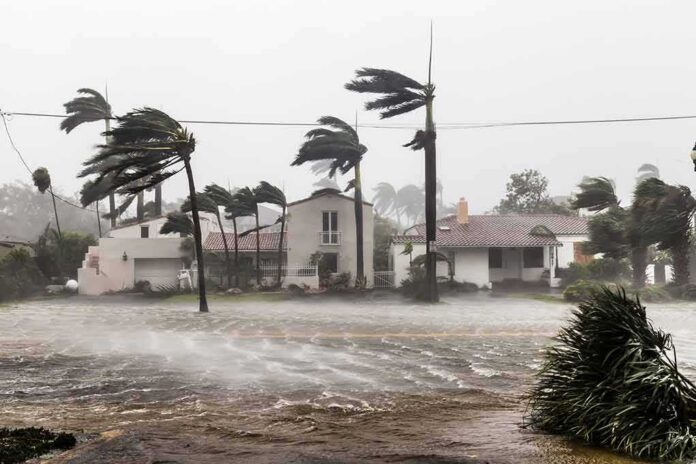
Weather forecasters warned about strong onshore winds, high surf, and flooding near high tide. Reports said coastal flood alerts reached from the North Carolina coast to New England. Forecasters expected one to three feet of water above high tide in some areas and very rough seas, with large waves battering exposed beaches and inlets. The most dangerous times came when peak winds pushed water inland as tides rose, trapping cars and swamping low roads.
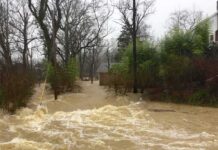
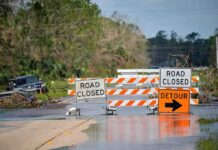
Local outlets described water on streets from New Jersey shore towns to parts of New York City. Reporters showed submerged lanes, seawater piling up at high tide, and crews blocking risky routes. Beach erosion built through repeated wave hits, chewing away at dunes and flattening protective berms. In past East Coast storms, this cycle also damaged coastal roads and parking lots near inlets and barrier islands, making repairs urgent once waters dropped.
Power, Travel, And Daily Life Disrupted
Utilities raced to fix lines as trees and limbs fell. News crews reported tens of thousands without power as gusts rose and soils loosened in the rain. Airlines and rail operators prepared waivers or schedule changes to reduce chaos and help travelers rebook as winds and flooding slowed ground operations. Stadium shows and outdoor events shut down to keep crowds out of harm’s way and to let police and road crews focus on emergencies.
2 AM Top-of-the-Hour News
Flooded streets. Downed trees and power lines. 150 thousand in the dark from Pennsylvania to Rhode Island. Hundreds of flights cancelled. Thousands more delayed. A powerful Nor-Easter slamming coastal areas from New Jersey to New England. New York… pic.twitter.com/yQGGcdEImV
— Worldwide News Network (@WorldwideNNX) September 27, 2026
Officials emphasized simple steps that save lives. Stay off flooded roads, watch tide schedules, and secure loose items that can turn into flying debris. Move cars from flood-prone blocks. Keep phones charged, medicines stocked, and flashlights handy. Check on neighbors who may need help. These steps reduce the burden on first responders who already face blocked roads, downed wires, and long hours in bad weather.
Why This Matters Beyond The Shore
Coastal storms test more than sand dunes. They stress power grids, rail lines, and emergency budgets. Many readers on the right and the left feel leaders talk big but deliver slow fixes. Clear plans, honest alerts, and quick repairs can rebuild trust. When warnings match what people see on their block, confidence grows. When crews show up fast and work is tracked in public, citizens know their taxes are buying real results, not press releases.
What To Watch Next
Expect updated tide and damage reports once the weather improves. The National Oceanic and Atmospheric Administration often flies surveys after major events to map erosion, debris, and inlet changes that affect safety and rebuilding. State and local leaders will tally claims, review road and dune damage, and decide where to focus repairs. Travelers should keep checking airline and rail alerts, and coastal residents should watch for local boil-water notices or debris pickup schedules.
Sources:
facebook.com, disasterphilanthropy.org, fmcsa.dot.gov, dhses.ny.gov, abcnews.com, disastercenter.com, weather.gov, drought.gov