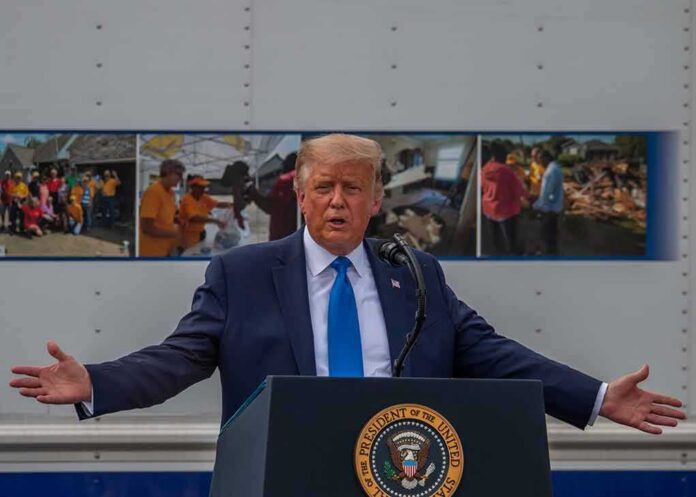
President Trump rejected Iran’s seven-day deal to reopen the Strait of Hormuz because it required sweeping U.S. concessions up front.
Story Snapshot
- Reports say Trump refused Iran’s conditional ceasefire tied to sanctions relief and a blockade lift.
- Iran said shipping could restart within seven days if the United States accepted its terms.
- Media accounts cite unnamed U.S. officials and no released proposal text, leaving gaps in the public record.
- The standoff fits a leverage-first bargaining pattern seen in past U.S.–Iran talks.
What Tehran Proposed and Why Washington Said No
Reuters and other outlets report that Iran, through Qatari mediation, offered a seven-day plan to reopen the Strait of Hormuz if the United States lifted a naval blockade, eased oil sanctions, and paused fighting on wider fronts, including Lebanon. Iranian Foreign Minister Abbas Araghchi said the clock would start once Washington agreed, with normal shipping restored within a week. White House aides told reporters President Trump rejected the package, viewing the concessions as too large for a short pause and a conditional reopening.
Iran framed the plan as a practical fix to get tankers moving and to restart nuclear talks after day seven, provided the United States met core conditions. Iranian officials said they conveyed terms in a two-hour exchange via Qatar and were ready to implement once Washington accepted them. The reported United States response treated the linkage of sanctions relief, blockade changes, and broader ceasefires as pressure tactics rather than a balanced trade. That reading aligns with the administration’s leverage-first approach.
How Solid Is the Evidence Behind the Reported Rejection?
The main accounts rely on unnamed U.S. officials quoted by major outlets, including the Wall Street Journal, and summarized by Reuters, Bloomberg, and others. Those stories agree on the core point that Trump rejected the offer and viewed it as conditional. But none of the reporting includes the full text of Iran’s proposal or a detailed White House statement explaining the decision. That leaves the public weighing secondhand summaries against Iran’s named, on-record claims about what it offered and when shipping could resume.
Gaps remain. No mediator documents, such as Qatari talking points, have been released to the public in these reports. The lack of a published draft makes it hard to judge operational details, like whether reopening a mined or threatened waterway within seven days was realistic. The Hill and other outlets quote Trump saying, “I’m rejecting their deal,” which confirms the stance but not the full rationale. Until more records emerge, the picture is accurate but incomplete for citizens seeking a full audit trail.
Why This Matters for Energy, Security, and Public Trust
The Strait of Hormuz moves a major share of the world’s oil. Any halt or threat can spike fuel prices and strain family budgets. Americans on the right and left see a pattern where big decisions happen behind closed doors while they bear the costs. This episode fits a broader cycle of coercive bargaining with Iran, where each side seeks time and leverage rather than a clean peace deal, as think tanks and analysts have warned since the spring ceasefire period.
BREAKING: 🇺🇸🇮🇷 President Trump expects U.S. negotiators to engage in further indirect talks with Iran despite Washington's recent rejection of a ceasefire deal.
— Conflict Monitor (@CM_Geopolitics) September 27, 2026
Conservatives will argue that trading sanctions relief and a blockade lift for a one-week pause rewards coercion. Liberals will warn that rejecting a path to reopen shipping risks more war and higher prices. Both camps can agree on this: without transparent terms, citizens cannot judge if Washington protected core interests or missed a workable off-ramp. Clear, on-the-record explanations from the administration and mediator documents would help restore trust while keeping pressure on Tehran to curb aggression.
Sources:
cnbc.com, iranintl.com, x.com, foxnews.com, reuters.com, english.mathrubhumi.com, turkiyetoday.com