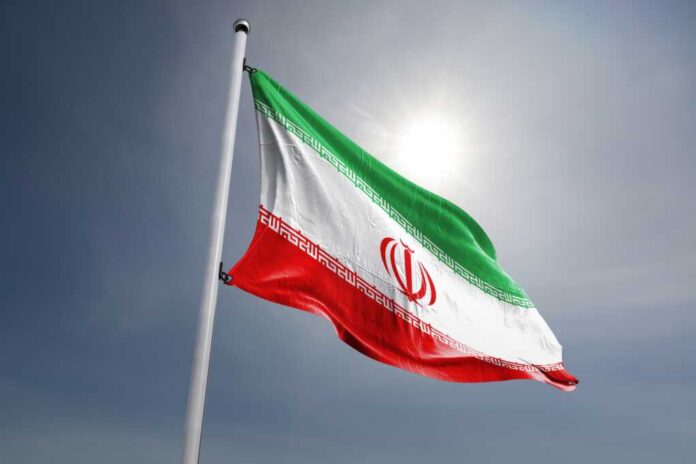
Europe’s threat to reimpose UN sanctions on Iran before October underscores the collapse of Western leverage as rivals prepare to block future action.
At a Glance
- European powers warned Iran to comply with nuclear limits or face UN sanctions before October’s snapback deadline.
- Iran halted cooperation with the International Atomic Energy Agency and escalated uranium enrichment after Israeli strikes.
- China and Russia are likely to oppose future sanctions, weakening Western influence.
- The snapback mechanism from the 2015 deal expires in October, ending unilateral enforcement powers.
- Reinstated sanctions could deepen Iran’s isolation and increase nuclear risks in the Middle East.
E3 Pressure and Iran’s Defiance
On August 22, foreign ministers from France, Germany, and the United Kingdom held urgent talks with Iran’s top diplomat to demand compliance with nuclear restrictions. The E3 warned that sanctions would return if Iran did not resume cooperation with international inspectors by August 31. The ultimatum reflects a narrowing diplomatic window, as the snapback clause from the 2015 Joint Comprehensive Plan of Action (JCPOA) expires in October.
Watch now: E3 issues Iran nuclear ultimatum · YouTube
Iran’s stance hardened after the June 2025 Iran-Israel conflict, when Israeli strikes on nuclear facilities led Tehran to sever cooperation with the IAEA. Since then, enrichment levels have risen far beyond JCPOA thresholds. Iranian officials have publicly criticized the IAEA, with reports highlighting tensions between Tehran and agency leadership. Analysts warn that the suspension of monitoring undermines global trust and increases proliferation risks.
Snapback Expiration and Shifting Power
The snapback mechanism, designed to enforce compliance, is the last remaining enforcement tool for the E3. With the U.S. outside the agreement since 2018, Europe stands alone in wielding this authority. Once the clause expires in October, sanctions will require approval from the United Nations Security Council, where both China and Russia have signaled opposition.
Experts such as Kelsey Davenport of the Arms Control Association argue that the lapse will erode Western leverage, granting Iran space to pursue nuclear advances with minimal accountability. The Washington Times reported that new sanctions could further strain Iran’s economy and heighten instability in energy markets, but the long-term impact may be limited if enforcement fractures under geopolitical resistance.
Risks for Security and Diplomacy
The suspension of IAEA monitoring has heightened concerns about a regional nuclear arms race. Nonproliferation experts, including Daryl Kimball, caution that Iran’s unchecked enrichment could spur neighboring states to pursue their own nuclear options. The erosion of oversight also threatens the integrity of the global nonproliferation regime.
European leaders stress unity and transparency, yet without U.S. leadership and with China and Russia shielding Iran, Europe’s capacity to enforce compliance remains uncertain.
Iranian officials continue to demand sanctions relief, framing Western pressure as illegitimate. The outcome of this confrontation will shape not only the future of Iran’s program but also the credibility of international agreements meant to curb nuclear risks.
Sources