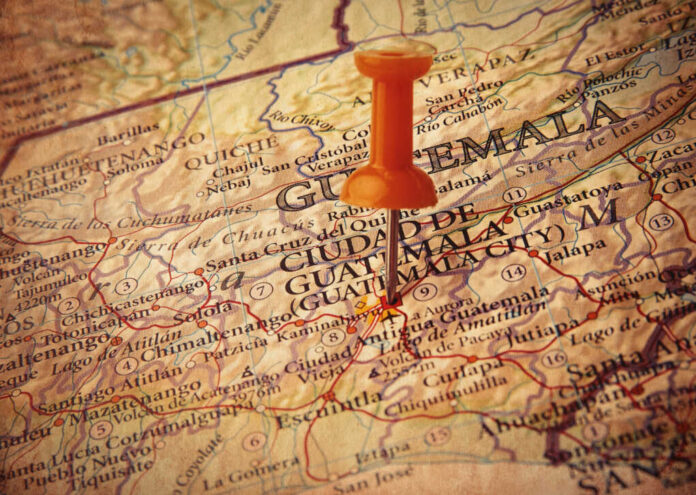
Guatemala’s government has declared a 30-day state of siege following a coordinated surge of violence orchestrated by the MS-13 and Barrio 18 criminal organizations. The crisis was triggered by simultaneous prison uprisings across three maximum-security facilities, which led to 46 correctional officers being taken hostage. Following the successful retaking of the prisons by security forces, gang members launched brutal retaliatory attacks in Guatemala City, killing seven national police officers. This extraordinary measure, which suspends constitutional freedoms, exposes the alarming operational command that jailed gang leaders maintain over criminal activity outside prison walls.
Story Highlights
- Coordinated prison uprisings across three maximum-security facilities resulted in 46 guards taken hostage on January 18, 2026.
- Gang members orchestrated retaliatory attacks in Guatemala City that killed seven police officers and wounded 10 others after security forces retook prisons.
- President Bernardo Arévalo declared a 30-day state of siege limiting constitutional freedoms of movement, gathering, and protest.
- Nationwide school closures and increased military patrols demonstrate the severity of gang control threatening civilian safety.
Gangs Demonstrate Dangerous Coordination Across Prison System
On January 18, inmates at three maximum-security Guatemalan prisons executed a simultaneous uprising, seizing 46 correctional officers as hostages. The coordinated takeover represented a direct response to prison administrators stripping privileges from incarcerated gang leaders of MS-13 and Barrio 18. Security forces deployed hundreds of anti-riot police to storm Renovación prison in Escuintla, approximately 47 miles southwest of Guatemala City, successfully freeing nine hostages within 15 minutes. Authorities subsequently regained control of two additional facilities, liberating six guards at one location and 28 at another. This level of coordination across multiple high-security facilities exposes serious vulnerabilities in Guatemala’s prison system.
Guatemalan security forces worked to regain control of three prisons after rioting inmates took at least 46 people hostage in an incident authorities attributed to gang members demanding greater privileges https://t.co/oY4OZELEOB pic.twitter.com/1LhSuqIpkJ
— Reuters (@Reuters) January 18, 2026
Deadly Retaliation Strikes Guatemala City Streets
Gang members executed brutal retaliatory attacks across Guatemala City following the prison operations, killing seven national police officers and wounding 10 others. One gang member died during the confrontations. The violence demonstrates that imprisoned gang leaders maintain operational command over criminal organizations outside prison walls, directing street-level attacks with deadly effectiveness. Police operations resulted in seven gang member arrests, confiscation of two rifles, and seizure of two vehicles. Interior Minister Marco Antonio Villeda emphasized the government’s hardline position, declaring “The state will not kneel before these criminals.” This pattern of jailed leaders ordering external attacks represents an established operational model for MS-13 and Barrio 18 throughout Central America.
State of Siege Suspends Constitutional Protections
President Arévalo’s declaration of a 30-day state of siege grants authorities power to limit fundamental constitutional rights, including freedoms of movement, gathering, and protest. While requiring congressional approval, the emergency measure takes effect immediately before any legislative vote occurs. The president characterized the gang violence as “an attempt to terrorize security forces and the population so that the government relents in its head-on fight against the gangs.” The Ministry of Education suspended classes nationwide on January 20 to prioritize student safety. This represents a concerning development where criminal organizations possess sufficient strength to force government suspension of normal civic life and constitutional protections that Americans hold sacred.
Regional Emergency Measures Follow El Salvador Model
Guatemala’s response mirrors El Salvador’s ongoing state of emergency implemented in March 2022, which has resulted in over 90,000 arrests while suspending constitutional rights including access to attorneys. El Salvador President Nayib Bukele has become a regional model for hardline anti-gang strategies, recently showcasing new prison facilities to Costa Rican officials. The Guatemalan government frames its intensified crackdown as necessary and effective, with President Arévalo stating gangs attempted to “make the state accept their demands, which for decades were granted.” However, the sophisticated coordination demonstrated by imprisoned gang leaders suggests these criminal organizations retain substantial operational capacity despite government claims of success. Americans should recognize this pattern: when governments grant privileges and negotiate with criminals for decades, reasserting lawful authority requires extraordinary measures that inevitably restrict freedoms.
Watch the report: Guatemala Prison Riots: Inmates Seize Facilities, 46 Hostages Taken In Coordinated Uprising | N18G
Sources:
- Gang violence in Guatemala kills 7 police officers after inmates take over prisons
- Guatemalan police free hostages in prison as attacks kill officers
- Guatemalan inmates take over prisons, holding 46 people hostage | Reuters
- Inmates in 3 Guatemalan prisons hold dozens of guards hostage – Los Angeles Times