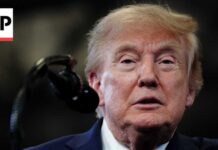
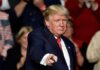
President Trump vowed the “most crushing economic operation ever taken against any country” to choke off Iran’s money — and warned other nations they could pay a price if they help Tehran evade it.
Story Snapshot
- Trump launched a new phase of maximum economic pressure on Iran, escalating sanctions threats.
- The plan targets Iran’s cash networks and any foreign banks, businesses, or airports that provide a “lifeline”.
- Treasury described actions against shell firms and digital-asset channels tied to Iran’s financing.
- The move fits a years-long U.S. playbook of coercive sanctions, restored in 2025 and tightened in 2026.
What The Administration Announced
On August 19, President Trump said the United States will mount an unprecedented financial squeeze on Iran and penalize countries that help Tehran dodge sanctions. He framed the effort as economic warfare meant to force Iran back to the table. Treasury Secretary Scott Bessent earlier previewed measures “never been seen,” signaling a sharp turn of the screws after months of conflict. The White House calls this a renewed “maximum pressure” phase to deny Iran revenue and leverage.
The administration’s threat reaches beyond Iran’s borders. Trump warned that foreign financial institutions, companies, airports, and even government bodies risk consequences if they offer Iran a lifeline. That warning aims to deter middlemen who move oil money or clear payments. The approach mirrors past efforts to scare off banks and shippers by raising the cost of doing business with Iran. Officials hope broad compliance will isolate Tehran faster and with fewer military strikes.
How Treasury Is Tightening The Screws
The Department of State and the Department of the Treasury moved against networks they say move Iranian funds in secret. One release described shutting parts of a web of currency exchange houses and shell companies accused of shifting hundreds of millions of dollars through the global system. Another detailed new sanctions on entities linked to digital-asset activity that helped Iran keep access to money flows outside normal banking channels. Treasury’s sanctions list updates reflect these designations.
Targeting digital-asset gateways shows how sanctions have evolved. After years of pressure, Iran and its partners have learned to route funds through harder-to-track paths. By naming exchanges and key operators, Washington aims to raise the risk for any platform that touches Iranian flows, even indirectly. The message is simple: if your firm helps Tehran move money, you could lose access to the United States market and the dollar — a blow few global players can afford.
Where This Fits In The Bigger Pattern
This push extends a well-worn U.S. playbook. In 2025, the White House formally restored maximum pressure, keeping the sanctions architecture from 2018–2019 in place and tightening it. In mid-August 2026, officials again stressed economic pain over new strikes, signaling a pivot from battlefield tempo to financial choke points. Supporters say this path can reduce American costs while forcing choices in Tehran. Critics argue Iran adapts and shifts to gray markets, blunting gains.
11 AM Top-of-the-Hour News
President Trump is turning to economic pressure to get Iran back to the negotiating table. He's calling it "Economic D-Day."
More from NewsNation's Reshad Hudson…: “After months of military strikes, President Trump is now trying to squeeze Iran… pic.twitter.com/sGDivOowrb— Worldwide News Network (@WorldwideNNX) August 20, 2026
Both right and left share a core worry here: powerful players make decisions while ordinary people bear the price. Sanctions can bite Iran’s rulers, but they also hit workers, patients, and small traders inside Iran. That humanitarian strain has fueled debate for years over what pressure achieves, beyond headlines and brief dips in revenue. Americans watching high costs at home and global turmoil may see the same pattern: grand claims in Washington, tough trade-offs for everyone else.
What To Watch Next
Watch for fresh Treasury designations that widen the net to shippers, insurers, and ports. Look for signs that big banks enhance screening or cut correspondent ties linked to Iran. Track oil exports and shipping behavior to see if flows slow or reroute through higher-risk channels. Look for any talks that follow this squeeze; Trump has often paired pressure with deal demands, while warning Iran will face deeper isolation if it stalls. Results will show in trade data and enforcement moves.
Sources:
facebook.com, cnbc.com, reuters.com, aljazeera.com, fortune.com, state.gov, ofac.treasury.gov, bloomberg.com, home.treasury.gov, boell.de