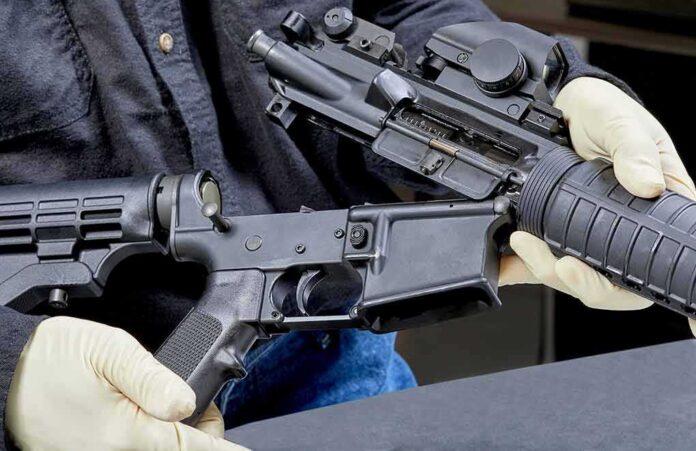
Washington just cleared the way for more than 100,000 surplus M14 rifles to reach civilians through a congressionally chartered program, with every rifle converted to semi-automatic only before sale.
Story Snapshot
- The Civilian Marksmanship Program will sell surplus M14 rifles under a special authorization.
- All rifles will be permanently converted to semi-automatic before shipment.
- Initial guidance points to prices under about $2,000 and a two-per-person limit.
- First orders are expected to be filled in late 2026 or early 2027, pending final procedures.
What Was Authorized and Who Can Buy
The Civilian Marksmanship Program said it received a special authorization to transfer, modify, and sell surplus M14 rifles to eligible United States citizens. The program will convert each rifle to semi-automatic operation, and will not sell select-fire or fully automatic guns. The Civilian Marksmanship Program, a federally chartered nonprofit, already sells surplus M1 Garand rifles and 1911 pistols under laws passed by Congress. Buyers must meet eligibility rules, which include citizenship and background checks set by the program and federal law.
The Civilian Marksmanship Program signaled that pricing will likely be under about $2,000 per rifle, with a starting cap of two rifles per person to manage demand. The organization plans to publish the final ordering rules, grading, and sales channels on its website before orders open. Leaders have described the release as large in scale, with more than 100,000 rifles expected to flow into the pipeline over time as armorers complete the required conversions.
How the M14 Fits the Civilian Marksmanship Program’s Mission
Congress created today’s Civilian Marksmanship Program framework in the 1996 defense law to promote civilian marksmanship and safety training, in part by selling certain surplus Army firearms to qualified buyers. Since then, transfers have included M1 Garand rifles and later M1911 pistols, which drew strong interest from collectors and sports shooters. A 2019 Government Accountability Office review and defense studies describe the model: the Army designates firearms as surplus, transfers them, and sales revenue supports training and youth programs.
The M14 sale follows that pattern but with a key step: permanent conversion to semi-automatic only before any rifle leaves Civilian Marksmanship Program control. The organization says this ensures compliance with the laws that govern its operations and the types of firearms it may sell. Past releases, like the M1911 transfer, used firm purchase limits and staged shipments to balance fairness, safety, and logistics. This cycle is expected to use similar guardrails during the first year.
Timeline, Scale, and What Comes Next
The Civilian Marksmanship Program indicated first order fulfillment may begin in late 2026 or early 2027, after conversion work, grading, and cataloging are ready. The organization will release final purchase instructions, eligibility verification steps, and grading tiers on its official site before sales begin. Media reports and program leaders have pegged the initial cap at two rifles per buyer, with room to adjust after they see demand and how fast armorers can complete the work.
🔴 CMP authorized to sell 100,000+ surplus M14 rifles, first sales expected early 2027
The Civilian Marksmanship Program received federal approval to sell more than 100,000 surplus M14 rifles at approximately $2,000 each, with buyers limited to two rifles per transaction. The… pic.twitter.com/daqeRzfiZ9
— NewsTongue (@NewsTongueX) August 10, 2026
For many readers who feel Washington stops listening, this story cuts both ways. On one hand, a century-old marksmanship program is doing what Congress allowed it to do: take surplus arms and fund civilian training. On the other, a federal process will decide how and when tens of thousands of rifles move, at what price, and in what order. Supporters see tradition and skills. Skeptics see another insider system. Both can agree the rules should be clear, fair, and followed exactly as written.
Why It Matters Across the Political Divide
Gun owners and collectors view surplus releases as a chance to preserve history and practice safe marksmanship. They also see value in a program that funds training outside elite circles. Others worry about government priorities, oversight, and who benefits most when large stockpiles change hands. The Civilian Marksmanship Program’s public pledge to convert every rifle to semi-automatic only, publish rules, and limit early purchases aims to answer those concerns with transparent steps grounded in law.
Sources:
youtube.com, thecmp.org, wearethemighty.com, guns.com, yahoo.com