Hours before major U.S.–South Korea war games, President Trump ordered a sharp cutback, citing cost and signaling concerns.
Story Snapshot
- President Trump told Secretary of War Pete Hegseth to “substantially reduce” joint drills with South Korea.
- Trump said the exercises are costly and send a hostile signal to North Korea.
- The order landed on the eve of the Ulchi Freedom Shield drills, scheduled for Aug. 17–27.
- Officials had planned complex readiness training against drones, cyber, and GPS jamming.
What Trump Ordered And Why It Matters
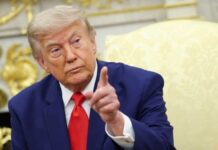
President Trump said he instructed Secretary of War Pete Hegseth to “substantially reduce” joint military exercises with South Korea. He argued the drills are expensive and send the wrong signal to North Korea. He also said North Korea’s leader had been respectful during his time in office. The move echoes his past push to shrink large drills. It also puts cost and messaging ahead of the original training plan, which is a long-running debate in this alliance.
The timing drew notice because the annual Ulchi Freedom Shield drills were set to begin Aug. 17 and run through Aug. 27. These exercises are not abstract. They are scheduled events on the military calendar, often years in the making. North Korea had already criticized the upcoming drills in state media. South Korean and American units had prepared for specific scenarios built around real threats on the peninsula.
What The Drills Were Designed To Do
Planners designed this year’s training to test forces against drones, cyberattacks, and disruption of satellite navigation. They also planned precision fires, river-crossing maneuvers, and distribution of gear placed in storage for crises. These tasks help troops move, shoot, and communicate under pressure. Supporters say that such training builds speed and trust between allies. Critics say very large drills can raise tensions and cost too much for the gain.
Supporters of the reduction point to budget strain and the risk of misread signals. They argue that smaller, smarter training can keep skills sharp without sending a loud message that looks like preparation for war. Past analysis shows allies sometimes adjust size, scope, and timing to reduce friction while keeping core readiness. This idea is that training can evolve to match new threats without the extra theater of a massive show of force.
The Open Questions The Order Leaves
The phrase “substantially reduce” does not show the exact cuts. It does not list which events, units, or live-fire pieces change, or how much money would be saved. Reporters did not publish a Defense Department execution memo the same day. That means the public does not yet have a line-by-line plan or a dollar figure tied to the order. Officials often release those details later during or after execution.
South Korea hopes for talks between US and North Korea after Trump downsizes military drills https://t.co/KABM8mlOvV
— News 19 (@whnt) August 17, 2026
This decision also fits a broader pattern. The United States and South Korea have, at times, trimmed or paused drills to support diplomacy. Research and expert reviews show there is no single rule for deterrence here. Large drills can boost readiness and reassure allies. They can also provoke North Korea or crowd out talks. Smaller drills can lower tension and still train. But they may not test the full machine under stress.
Why Both Sides Of The Aisle Care
Taxpayers worry about waste and strategy drift. Many conservatives see decades of spending with few results and want focus at home. Many liberals see a cycle of military posturing that does not solve the nuclear problem and risks war. Both sides doubt that Washington’s insiders put the public first. When a president overrides a set plan days before troops step off, people see a system driven by politics more than by a steady plan.
Allies on the ground still face real threats. North Korea has built missiles and cyber tools and runs drills of its own. That is why planners added drone defense, cyber training, and navigation backup into this year’s script. Whether the scaled-back package keeps those key pieces will show how leaders balance cost, risk, and message. The core test is simple: do troops come out better able to fight tonight if they must?
What To Watch Next
Watch for a Defense Department or United States Forces Korea update that spells out the exact cuts, the savings, and the training that remains. Look for a response from South Korea’s defense ministry on coordination. Track any change in North Korea’s tone or tests in the coming weeks. Finally, watch whether the allies shift toward more frequent, smaller events that keep readiness high while lowering the public glare of big set-piece drills.
Sources:
internazionale.it, reuters.com, axios.com, bloomberg.com, military.com