President Trump opened a 90-day window for up to 300,000 metric tons of tariff-free ground beef imports, paired with a stated commitment to sell it 25% below current prices, to hit grocery bills fast.
Story Highlights
- Trump authorized up to 300,000 metric tons of tariff-free ground beef imports for 90 days.
- The White House cited a commitment to price that beef 25% below current market levels.
- Beef prices have climbed as the U.S. cattle herd hit a multi-decade low.
- Import relief targets ground beef now while the cattle cycle recovers over years.
What The 90-Day Beef Move Does
President Trump said the United States will allow up to 300,000 metric tons of ground beef to enter without out-of-quota tariffs for 90 days. The White House framed the step as direct relief for shoppers facing higher meat prices. The plan centers on ground beef, where extra lean trimmings can change supply quickly. Reuters first reported the volume and tariff terms from Trump’s remarks on Friday. Trump also said there is a commitment to sell that beef 25% below current market prices.
Tariff-rate quotas normally keep import prices higher once volumes pass set limits. Under typical rules, beef above quota faces a steep tariff. By letting more ground-beef product in without that extra charge, officials are betting stores can discount burger meat. The change lasts three months, so its design is to create a short, sharp supply boost. Investing sites and wire services carried the same core details of the policy on timing and scale.
Why Beef Prices Are High Right Now
United States Department of Agriculture data show beef and veal prices rose about 11.8% year over year in June 2026. Analysts tie this to the smallest cattle herd in about 75 years, which limits beef output and keeps wholesale prices firm. The administration earlier expanded some beef import quotas to help with supply gaps. That history sets the stage for this new 90-day import window as another lever to relieve pressure on ground beef while herds rebuild.
Livestock experts explain that cattle follow long biological cycles. Drought, feed costs, and rancher decisions drive inventory shifts that play out over eight to twelve years. Government researchers have described this cycle and projected low inventories near 2025, with effects lasting multiple seasons. That means short-term trade steps can help the burger aisle now, but herd growth and slaughter capacity will drive broader beef prices over time. A Government Accountability Office review has also stressed herd size’s central role in price trends.
How The Plan Could Hit Shoppers And Ranchers
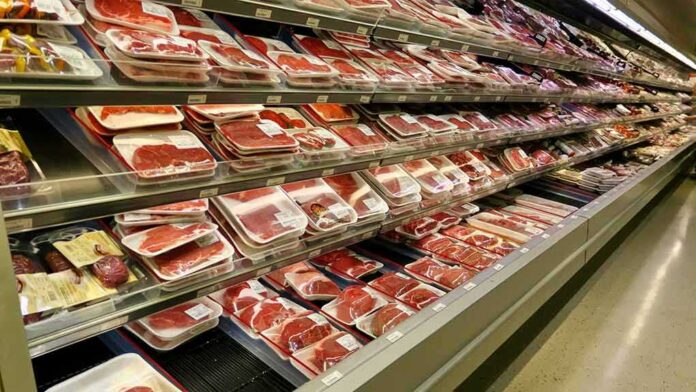
Ground beef prices move with the cost of lean trimmings that are blended with fattier domestic cuts. Extra imported lean product can ease that specific bottleneck. The Dallas Federal Reserve has noted that more lean trimmings can lower ground beef prices, even if steaks or roasts stay high due to tight cattle supplies. That split effect matters for families who buy more burger meat than premium cuts. The 25% below-market commitment, if reflected at retail, would amplify that relief.
Ranchers often push back on rapid import expansions during tight cycles. Industry groups argue that imports can undercut calf and cattle prices when producers face high feed and drought risks. The American Farm Bureau has detailed how tariffs and quotas normally shape these flows, with above-quota beef facing a much higher tariff. A temporary waiver changes that math and can sway near-term prices for ground-beef inputs. That tension reflects a larger struggle between keeping food affordable and keeping ranching viable.
The Bigger Picture For Food Costs And Trust
Food inflation has squeezed households across incomes. Many voters see leaders of both parties miss the mark on kitchen-table costs. Quick trade steps can look like Washington finally moving with urgency. But families also notice when relief is narrow or short-lived. The beef action targets the biggest-volume item in the meat case. It offers a 90-day test of whether policy can break through high prices that came from years of herd shrinkage and supply stress.
It doesn’t help ranchers. It “helps” consumers by lowering prices (we’ll see). If it “works” it’ll undermine the ranchers. The price that they get for their beef will be lowered. Trump is a socialist leaning asshole that believes that the government can set value of commodities.
— Chuck-just Chuck (@chuckthebearded) August 22, 2026
The takeaway is simple. Extra supply usually lowers prices, especially in the grind market. The administration’s move presses that lever while herds recover on a slower clock. Shoppers could see cheaper burger meat soon if distributors and stores pass through discounts. Ranchers will watch for any hit to cattle prices as they try to rebuild. Both sides want a fair market where work pays and food is affordable. The next three months will show how much this step helps at the register.
Sources:
facebook.com, trumpsmouth.com, investing.com, x.com, reuters.com, devdiscourse.com, kpmg.com, mla.com.au, barchart.com, ag.purdue.edu, fas.usda.gov, themoneyoverview.com