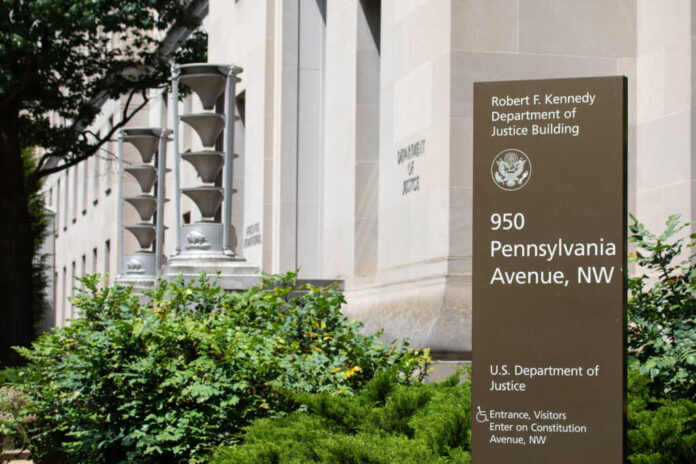
A democracy watchdog has filed a lawsuit against the Department of Justice demanding the release of Jeffrey Epstein-related files that mention Donald Trump and his Mar-a-Lago estate, setting off a new battle over transparency and accountability.
At a Glance
- The Democracy Defenders Fund filed suit against the DOJ for withholding Epstein records.
- The group claims Trump and Mar-a-Lago are explicitly mentioned in unreleased files.
- DOJ has cited exemptions under the Freedom of Information Act to block disclosure.
- The case could shape future public access to sensitive political records.
- Advocacy groups argue that withholding the records undermines trust in institutions.
Watchdog Lawsuit Sparks Transparency Clash
The Democracy Defenders Fund, a nonprofit watchdog group, has filed a lawsuit against the Department of Justice to obtain records referencing Jeffrey Epstein. The group alleges that the records specifically cite former President Donald Trump and his Mar-a-Lago property. The request was originally made through the Freedom of Information Act (FOIA), but the DOJ denied access, citing statutory exemptions relating to law enforcement and privacy protections.
Watch now: DOJ hit with Trump-Epstein FOIA request from Democrat-… · YouTube
According to the watchdog’s legal filing, the records in question include internal
communications and investigative material generated during the federal inquiry into Epstein’s associates. The lawsuit argues that these documents are essential to clarifying the scope of Epstein’s influence network, especially where it overlaps with prominent political figures.
DOJ Defense and Public Skepticism
The DOJ has maintained that the release of the documents could compromise privacy rights of individuals who are not accused of crimes, as well as interfere with ongoing law enforcement activities. However, the watchdog group contends that Epstein’s case is unique due to its broad implications for public trust in political institutions.
Legal experts note that FOIA cases often hinge on narrow interpretations of exemptions, leaving courts to balance privacy interests against the public’s right to know. In this instance, the presence of a former U.S. president’s name in the records raises the stakes considerably. Some analysts argue that the DOJ’s resistance may only intensify suspicion, regardless of the content of the files.
Wider Implications and Next Steps
The lawsuit comes amid broader public demand for transparency around Epstein’s social and political connections. Survivors of Epstein’s abuse and their advocates have repeatedly called for disclosure of names and records tied to his network. Upcoming legal actions, including survivor-led press conferences and new memoir revelations, suggest that pressure for accountability will continue to build.
If the court compels the DOJ to release the contested documents, the outcome could set a precedent for how sensitive political records are handled in FOIA disputes. Conversely, a ruling in favor of the DOJ could reinforce the government’s discretion to shield records, potentially leaving many questions unresolved.
With mounting political tension and renewed public scrutiny, the lawsuit represents not only a fight over Epstein’s legacy but also a test of how far transparency can be pushed when it collides with entrenched government secrecy.
Sources