
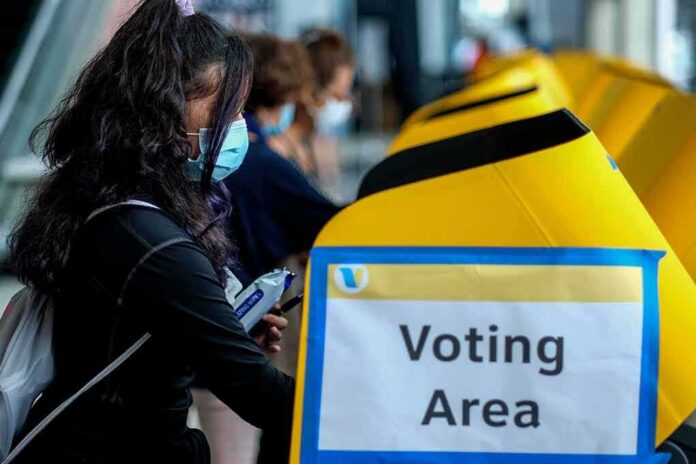
A little-known Michigan doctor turned state health director beat a Democratic establishment favorite by less than one percentage point, then went on to make history as the first Muslim ever elected to the United States Senate.
Story Snapshot
- Abdul El-Sayed won Michigan’s Democratic Senate primary over Rep. Haley Stevens by 14,893 votes out of more than 1.5 million cast.
- The Associated Press waited until nearly all ballots were counted before calling the razor-thin race.
- El-Sayed ran despite a large advertising disadvantage and faced a rival backed by retiring Sen. Gary Peters.
- He later won the general election against Republican Mike Rogers, becoming the first Muslim elected to the Senate.
A Narrow Primary Win Against the Party’s Favorite
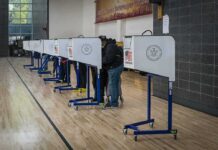
Abdul El-Sayed defeated Representative Haley Stevens in Michigan’s Democratic Senate primary on August 5, 2026. The Associated Press reported he led her by 14,893 votes, just under one percentage point, after counting more than 1.5 million ballots statewide. The margin was so tight that AP held off calling the race until nearly all votes were tallied.
Stevens entered the primary with the kind of backing most challengers can only dream about. She had support from Democratic establishment figures, including retiring Senator Gary Peters, whose open seat both candidates were chasing. NBC News reported El-Sayed won despite facing a huge advertising disadvantage against her campaign.
A Campaign Built on Anti-Establishment Energy
Reporters described El-Sayed as tapping into Democratic voters’ frustration with their own party’s leadership. The Associated Press said he “harnessed Democratic frustration with the party establishment,” and both AP and NBC News framed his win as a breakthrough for the party’s progressive wing in the Midwest.
El-Sayed did not declare victory on election night. Instead, AP reported he left his own watch party without claiming the win, a sign of how close and uncertain the outcome remained until officials finished counting ballots. The eventual result still stood as a clear win once the count was complete.
From Primary Underdog to Historic Senator
El-Sayed’s primary win set up a general election matchup against Republican Mike Rogers, a former congressman. He went on to win that race as well. NBC News reported that El-Sayed became the first Muslim elected to the United States Senate, a milestone no previous candidate from either major party had reached.
That history matters beyond symbolism. No Muslim had ever served in the Senate before, though a handful had run and lost, including a Republican nominee in Pennsylvania in 2022. El-Sayed’s win closed a gap that had persisted even as Muslim lawmakers gained seats in the House over the past two decades.
What the Win Says About Money and Party Control
The contest fits a pattern seen across both parties in recent years: a well-funded, institutionally backed candidate facing an underdog who leans on grassroots frustration instead of big donors. Stevens had the party machine behind her. El-Sayed had a message that resonated with voters tired of being told who to pick.
That tension speaks to something bigger than one Senate seat. Voters on the left and right increasingly distrust party insiders who seem more focused on protecting their own power than listening to ordinary people. El-Sayed’s narrow win, built against the odds and against an advertising gap, gave frustrated Democratic voters proof that outsider campaigns can still break through entrenched party structures.
Progressive Democrat Abdul El-Sayed has won Michigan’s turbulent Senate race against Republican Mike Rogers for an open seat.
El-Sayed is the son of Egyptian immigrants, and will become the country’s first Muslim senator.
The campaign’s contentious primary against Democrat Haley… pic.twitter.com/AX67yBgSK9— Worldwide News Network (@WorldwideNNX) November 4, 2026
Michigan’s results now stand as certified history, though the full canvass with county-by-county breakdowns has not been detailed in national coverage of the race. What is clear is that a single Senate primary, decided by under 15,000 votes, opened the door to a historic general-election win and a new chapter for Muslim representation in American government.
Sources:
michigan.gov, houstonpublicmedia.org, cleveland.com