
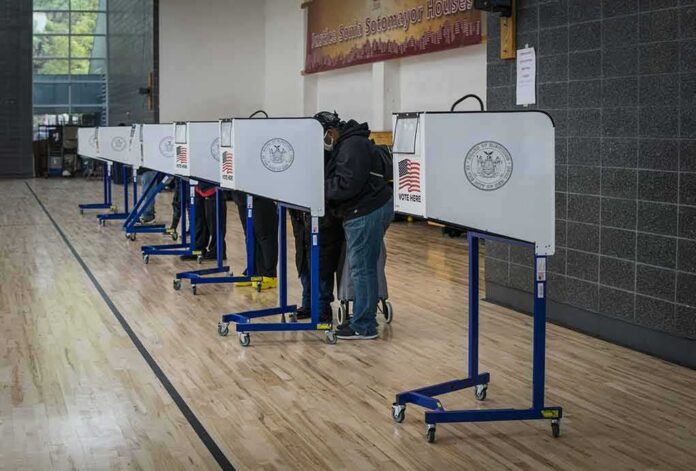
Americans in Ohio, Michigan, and Texas headed to the polls today on a set schedule that shows how our elections still run state by state, not by Washington.
Story Snapshot
- Ohio, Michigan, and Texas all hold general elections today, November 3, 2026.
- Polling hours differ by state: Ohio 6:30 a.m.–7:30 p.m.; Texas 7:00 a.m.–7:00 p.m..
- Michigan added a statewide early-voting window from October 24 to November 1.
- Federal schedules confirm today as part of the 2026 election activity period.
What Is Officially Happening Today
State election offices in Ohio, Michigan, and Texas list today, November 3, 2026, as the general election date. Ohio’s schedule sets polling hours from 6:30 a.m. to 7:30 p.m. Texas sets hours from 7:00 a.m. to 7:00 p.m. Michigan identifies today as its general election as well. These details come from each state’s own calendars and notices, which guide voters, counties, and campaigns on the legal timetable for casting ballots and running polling places.
Federal agencies align with those state calendars. The Federal Voting Assistance Program lists November 3 as the nationwide general election date for 2026 and includes Ohio, Michigan, and Texas in its state entries. The Federal Election Commission also treats activity in Ohio and Texas as running through today for get-out-the-vote and related federal election activity. These federal references backstop the same date used by state officials and national stakeholders.
How State Rules Shape When And How People Vote
Different rules across states shape the Election Day experience. Ohio opens polls an hour earlier than Texas, which can matter for workers with early shifts. Michigan runs the same general election day but also has a separate, statewide early-voting window. This year, Michigan’s early voting ran from October 24 through November 1, giving voters nine days to cast ballots before today. These differences are normal under our system of state-run elections and local administration.
Early voting and absentee ballots also change how results appear. Some states process mailed ballots sooner, while others wait until polls close. Research shows that when more ballots arrive by mail or spread across many days, workers face extra steps. That can create bottlenecks if training or staffing falls short. Well-prepared teams and clear workflows reduce these issues. Scale and complexity, more than politics, tend to drive most Election Day hiccups at the local level.
Why This Matters In A Distrustful Time
Voters across the political spectrum worry that the people in charge put careers and power over fairness. Clear, simple rules can help rebuild confidence. Today’s calendars do that basic work by telling voters when to show up. But calendars alone cannot prove how many people voted or whether every polling place opened on time. Turnout totals, incident logs, and canvass reports answer those questions later. That follow-through is what lets citizens check the work.
US Midterm Elections: Voting Underway on November 3, 2026
Americans are voting today in the 2026 midterm elections, held midway through President Donald Trump’s second term. These contests will determine control of Congress for the remaining two years of the administration and…
— Deimos News (@DeimosNewsUSA) November 3, 2026
The legal battles of the last two decades show why details matter. Court fights have surged since 2000, often focused on rules for counting mailed ballots, setting deadlines, or handling close margins. These cases rarely change the fact of an election day set by law. They do shape how ballots get evaluated and when results become final. That history is a reminder to separate the schedule from the count and to judge each step by the public records it leaves.
Sources:
youtube.com, ohiosos.gov, sos.texas.gov, michigan.gov, fvap.gov, onlinelibrary.wiley.com, judicature.duke.edu