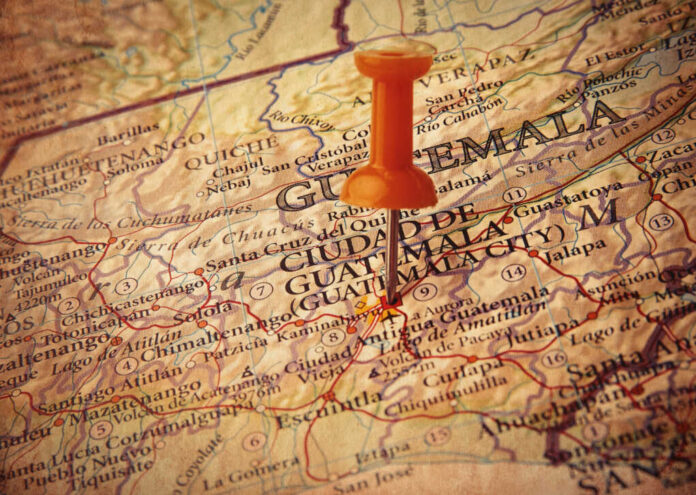
Guatemalan President Bernardo Arévalo has declared a 15-day state of emergency following severe, organized armed attacks in the Sololá department that resulted in at least five deaths. The attacks, which targeted a military post and police station, are a stark indicator of escalating gang violence and a shift towards organized criminal enterprises targeting national security. The emergency measure restricts civil liberties, such as public gatherings, in an attempt to destabilize gang operations and restore order.
Story Highlights
- Guatemalan President declares emergency following deadly attacks.
- Gangs in military-style gear target state forces for control.
- State of emergency restricts gatherings and protests to curb violence.
- Incidents linked to broader national surge in gang-related violence.
Guatemala’s Response to Gang Violence
On Sunday, Guatemalan President Bernardo Arévalo declared a 15-day state of emergency in response to severe armed attacks in the Sololá department. The attacks targeted a military post and police station, resulting in the deaths of at least five individuals. The state of emergency is an urgent measure to counteract the criminal gangs using military tactics to seize control over these regions.
The emergency implementation signifies the administration’s proactive stance against these violent criminal enterprises. By restricting public gatherings and the carrying of weapons, the government aims to destabilize the gangs’ operations and restore order to the affected areas.
https://x.com/CP24/status/2000475980549210210
Background of Violence in Guatemala
Guatemala’s history of gang violence is deeply rooted in its socio-economic struggles, with groups like Mara Salvatrucha (MS-13) and 18th Street gangs dominating criminal activities. The recent surge in violence, particularly in May 2025, has been marked by direct assaults on state forces, highlighting a shift from inter-community disputes to organized criminal activities targeting national security infrastructure.
The Sololá region, known for its indigenous Mayan communities, has long faced disputes over resources but is now grappling with intensified violence from well-armed gangs seeking to exploit these tensions for territorial control.
Impacts of the State of Emergency
The declaration of a state of emergency brings immediate changes, such as limitations on civil liberties, which could temporarily reduce violence but may also heighten tensions in areas prone to protests. The government’s actions signal a tougher stance on law enforcement, potentially leading to further escalation of gang-related turf wars.
Local communities, particularly the Mayan populations, face increased risks as both criminal gangs and government operations intersect in their daily lives. The economic disruptions caused by roadblocks and the social impact of curfews add to the region’s struggles.
This state of emergency highlights a critical juncture for Guatemala as it confronts the growing influence of organized crime. The government’s efforts to restore order and protect its citizens are vital steps in addressing the broader issues of gang violence and security.
Watch the report: Guatemala in state of emergency over mine protest
Sources:
- Guatemala declares state of emergency after armed attacks kill at least 5
- Guatemala declares state of emergency after armed attacks kill at least 5 – ABC News
- Guatemala declares state of emergency after armed gang attacks kill at least five people