A viral beard-and-weightlifting feud just jumped from joke to allegation, turning a Senate-season stunt into a test of truth and judgment.
Story Snapshot
- Abdul El-Sayed said JD Vance might be on testosterone therapy and questioned if his beard is real.
- El-Sayed tied the charge to a gym challenge, inviting Vance to bench and squat contests.
- Remarks followed Vance’s earlier mockery of El-Sayed’s beard in social clips and events.
- Coverage frames the clash as a viral spat without added proof beyond quotes and clips.
What Sparked The Feud And What Was Said
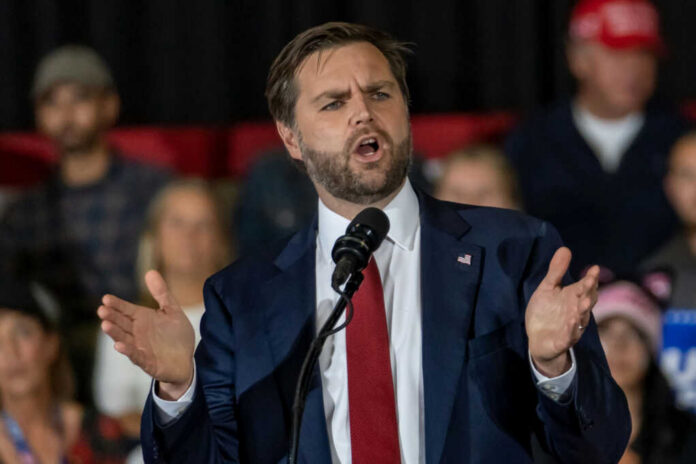
On September 18, Abdul El-Sayed told TMZ that Vice President JD Vance might be using testosterone therapy and suggested Vance’s beard could be fake. He used phrases like “fake beard” and “juiced up,” and pushed the issue with a gym challenge. The comments followed weeks of back-and-forth where Vance mocked El-Sayed’s “patchy” beard and joked online about it. The exchange moved from humor to claims that sound factual to many viewers.
El-Sayed did not only insult. He set a measure. He challenged Vance to meet “in any gym” for bench press and squat tests. That choice gave the public something simple to track: who shows up, and what they lift. The Washington Examiner and others reported the challenge and the “fake beard” line. The talk crossed from style into claims about strength and grooming choices that voters can watch play out.
How The Claims Fit Today’s Media-Politics Loop
Modern campaigns reward fast, visual hits over policy talk. Grooming jabs, gym talk, and “authenticity” theater spread faster than budget plans. The law also treats insults and jokes differently from factual claims. A statement that harms someone’s reputation can be defamation if a reasonable reader thinks it asserts a real fact, not a joke. Courts give strong room for parody of public figures, but factual-sounding charges face a sharper test.
That is why this story matters beyond laughs. When a candidate frames a charge as checkable, it moves the line. Weight numbers are public if both men show up to lift. A beard is visible across many dates. The testosterone claim is different. Medical data is private, and news outlets report no proof beyond El-Sayed’s words. That puts one part of the feud in the realm of talk, and the gym parts in the realm of action.
Why Voters Should Care Amid Bigger National Frustrations
Campaigns are supposed to show plans on jobs, prices, borders, and schools. Many Americans already feel leaders care more about clicks than results. This episode looks like that problem. A personal spat became a national headline while core issues wait. The risk is that showmanship crowds out real debate. The small win is that a public challenge can reveal character under pressure, which some voters value when trust is thin across parties.
JD Vance Turns Abdul El-Sayed Feud Into A ‘Beard Arrest’
JD Vance’s latest jab at Abdul El-Sayed starts with a “patchy beard” joke — but the vice president’s message to House Republicans goes much further. pic.twitter.com/oaF5Ts2TdD
— MEAWW News (@meawwcom) September 16, 2026
Both sides see something here. Conservatives who resent media stunts may see a distraction from work that matters. Liberals who resent “tough guy” branding may see theater built on looks and swagger. People in the middle see a system that pushes viral drama, not fixes. The lesson is simple. Demand receipts when someone states a fact. Reward leaders who argue policy with clarity and accept fair tests that matter more than a beard or a bench number.
Sources:
twitchy.com, realitytea.com, washingtonexaminer.com