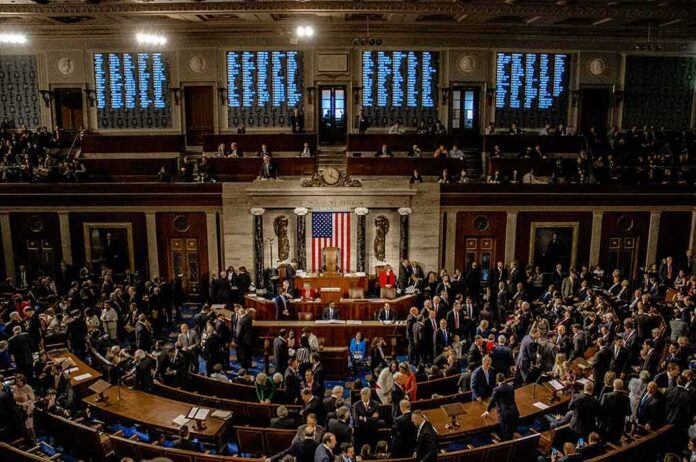
House Democrats are mapping subpoenas and potential impeachments if they win the House, setting up a fresh power clash that could stall Washington again.
Story Snapshot
- Democrats outline wide probes of President Trump, his family, and agencies if they flip the House.
- Leaders keep impeachment “on the table,” but plan to start with investigations and court fights.
- Targets include alleged corruption, profiteering, and policy decisions like actions toward Iran.
- History shows many headline probes fizzle; only a few drive major change.
Democrats’ Plan: Investigations First, Impeachment If Warranted
Reporters say House Democrats have prepared a broad oversight agenda that activates if they win the chamber in November. Plans include subpoenas, hearings, and legal fights for documents tied to President Trump, his family, and executive agencies. Leaders say impeachment of the president or Cabinet officials is “not off the table,” but it is not step one. They want to build records first, then decide next moves based on what they find.
Sources describe this as a coordinated push that spans multiple committees and targets defined issues, not only rhetoric. Planning centers on whether decisions enriched insiders, donors, or family businesses, and whether agencies bent rules to serve politics. Democrats expect pushback and court delays and are hiring staff for long fights. They frame this as restoring checks and balances after years of partisan trench warfare.
What Could Be Probed: Money, Power, and Policy Calls
Coverage points to concrete lanes: alleged corruption, self-dealing, and profiteering in and around the presidency. Committee aides also flagged policy reviews, including decisions tied to Iran and national security, and whether officials targeted perceived enemies. Some planning reflects fresh headlines at housing finance and inspector offices, where critics allege politicized actions under Trump allies. These strands could supply witness lists and document trails for early hearings.
House Democrats also weigh whether to reopen questions about past enforcement crackdowns and contracting. They suggest looking at who benefited from rules, budgets, or waivers, and who lost. They plan to compare agency actions to stated mission and law. Any impeachment talk, they say, would follow if evidence shows clear abuse of power. That phased path echoes recent eras when lawmakers gathered facts before drafting any charges.
How This Fits the Constitution—and Our History
The Constitution gives the House sole power to impeach. Congressional researchers say the usual path starts with committee investigations, then hearings, and, if justified, formal articles. That structure lets the House demand records and question witnesses before deciding on impeachment. Legal scholars add that routine oversight often shades into potential impeachment when the facts warrant it, but a formal vote is a best practice for clarity.
Past is a caution. A Brookings review found most headline House probes since World War Two produced little lasting impact. Only a small share drove major accountability or policy change. That means sweeping plans can dominate the news, drain time, and still end with few results. Voters who feel Washington protects insiders may see more theater than fixes unless investigations surface verified, specific wrongdoing that changes minds across parties.
The Political Stakes in a Distrustful Era
President Trump has long rejected allegations of abuse and labeled impeachment pushes partisan attacks. Earlier fights saw him call such efforts a “witch hunt,” while allies argued he acted within his authority. Expect similar pushback if Democrats move ahead. That clash, layered on high living costs, border strain, and energy debates, could deepen the sense that leaders fight each other more than they solve problems for working families.
For conservatives, new probes may look like another bid to punish an agenda they voted for. For liberals, they may look overdue after years of ethics alarms. For the growing middle that distrusts both parties, the test is simpler: do investigations expose real facts, fix waste, and protect equal justice under law, or just fuel reelection ads? The answer will depend on evidence gathered, transparency, and whether Congress can act on findings instead of just talking.
Sources:
theatlantic.com, nytimes.com, pbs.org, fortune.com, hindustantimes.com, politico.com, ebsco.com, foxnews.com, democrats-intelligence.house.gov