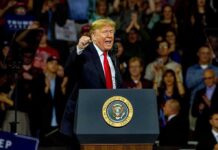
Treasury Secretary Scott Bessent announced that the Trump administration is considering declaring a national housing emergency this fall amid worsening affordability and supply challenges.
At a Glance
- The Trump administration is weighing a national housing emergency declaration, the first since 2008.
- Treasury Secretary Scott Bessent said “everything is on the table” to address affordability issues.
- Proposed measures include tariff relief on construction materials and lower closing costs.
- Mortgage rates have stayed above 6% since 2022, while home sales have dropped sharply.
- Housing policy is becoming central to the administration’s 2026 midterm strategy.
Emergency Measures in Consideration
The Trump administration is actively considering declaring a national housing emergency this fall, marking what could be the first federal intervention of this kind since the 2008 financial crisis. Speaking with the Washington Examiner, Treasury Secretary Scott Bessent indicated that the administration was looking at sweeping measures to stabilize the housing market while respecting state and local controls.
Policy tools under review include removing tariffs on construction materials like steel and aluminum, simplifying and standardizing building and zoning codes, and cutting mortgage closing costs. These measures are aimed at both reducing the cost of homebuilding and improving access for first-time buyers.
Watch now: Trump administration may declare housing emergency
The Affordability Crunch
The U.S. housing market remains under sustained pressure. Thirty-year mortgage rates have stayed above 6% since September 2022, drastically limiting affordability for most middle-income buyers. Meanwhile, home prices have declined for three straight months—something not seen since the aftermath of the 2008 crisis.
Existing home sales have also plummeted, falling from roughly 6.4 million annually in early 2022 to just 4 million by mid-2025. Analysts point to this combination of high financing costs and sluggish sales as signs of structural imbalance in supply and demand.
Political and Strategic Context
Republican strategists are positioning housing affordability as a signature policy issue heading into the 2026 midterm elections. The potential emergency declaration is viewed as a mechanism to demonstrate federal responsiveness without relying on traditional stimulus or monetary easing.
Bessent also suggested that the administration is anticipating a macroeconomic turnaround in 2026, possibly driven by future interest rate cuts by the Federal Reserve. Still, the current focus remains on targeted executive actions to reduce housing costs and reignite market activity in the short term.
Sources