DHS is tightening Ebola travel rules again, and the new limits show how fast a health scare can turn into a border-control fight.
Quick Take
- The Centers for Disease Control and Prevention and the Department of Homeland Security say they have launched enhanced screening and entry restrictions in response to ongoing Ebola outbreaks [2].
- The policy is targeted, not a blanket shutdown, and it focuses on certain travelers with recent exposure to affected countries [2][3].
- Federal officials say the goal is to keep Ebola from being introduced into the United States, while the agency still says the immediate risk to the general public is low [2].
- Earlier Ebola responses relied on layered screening at airports and other entry points, which gives the new move historical context [1].
What DHS Actually Changed
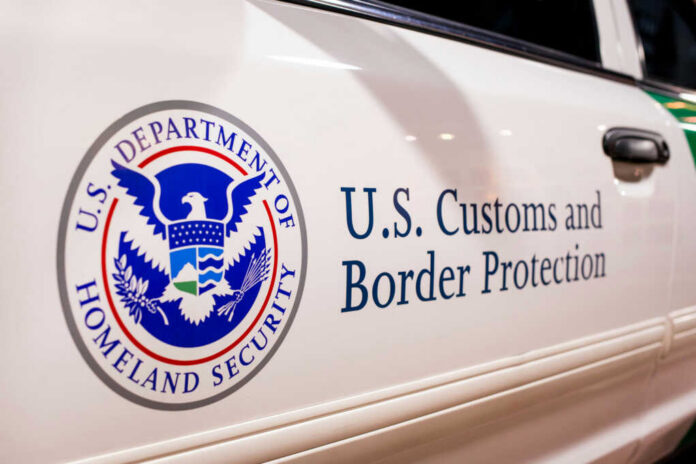
The Department of Homeland Security and the Centers for Disease Control and Prevention said on May 18 that they put enhanced travel screening, entry restrictions, and other public-health measures into effect to slow Ebola’s spread into the United States [2]. The CDC said the action is based on current epidemiological evidence and ongoing risk assessments. The agency also said the order lasts 30 days and applies targeted controls rather than a blanket travel ban [2].
The CDC’s public order says the new steps include enhanced screening for arrivals from affected areas, traveler monitoring, cooperation with airlines, and entry restrictions for non-U.S. passport holders who were in Uganda, the Democratic Republic of the Congo, or South Sudan in the previous 21 days [2]. That is a narrow policy by Washington standards, but it still reaches into airline routing, airport processing, and entry decisions. For readers tired of open-border disorder, the key point is that the federal government is finally admitting border rules matter when a contagious disease is in play.
Why Officials Say the Restrictions Are Needed
CDC officials said the purpose of the order is to prevent Ebola disease from entering the country, and they tied the move to the serious nature of the virus [2]. The agency also said the immediate risk to the general U.S. public is low, which matters because it shows the administration is presenting the rule as a precaution rather than a response to domestic collapse [2]. In plain English, the government is trying to act before a problem lands on American soil.
That approach fits the long-standing public-health playbook for Ebola. CIDRAP reported that earlier federal responses used enhanced screening at selected airports, including New York’s JFK, Newark, Dulles, Atlanta, and Chicago, and that those airports handled the bulk of passengers arriving from affected countries [1]. CIDRAP also reported that federal health officials have said exit screening in affected countries is the best way to prevent travel-linked Ebola cases [1].
What the Debate Is Really About
The controversy is not whether Ebola is serious; it is whether targeted flight restrictions add enough value beyond screening and monitoring to justify the added friction [1][2]. The supplied record does not show the underlying data model, a quantified benefit estimate, or a public audit proving that the tighter routing rule is superior to layered screening alone [2][3]. That leaves room for honest skepticism, especially because Americans have seen too many federal policies sold as “science” and later revealed to be shaky.
DHS to tighten Ebola-related flight restrictions for some foreign travelers: https://t.co/P1V8DZzhT7 pic.twitter.com/OU3hSKyUku
— Georgeanne Matranga ☮️🟧 (@DTPORGE) May 21, 2026
At the same time, critics in the supplied research have not shown that the May 2026 policy is ineffective, unlawful, or broader than the agencies describe [2][4]. A scholarly article in the record argues that Ebola travel restrictions can conflict with international norms against unnecessary interference, but that paper addresses the broader policy debate, not this exact order [4]. For conservatives, the bigger lesson is simple: when the federal government uses emergency powers, it should show its work, keep the scope tight, and avoid turning public health into another excuse for open-ended bureaucracy.
What to Watch Next
The most important unanswered questions are practical. Readers should watch for the full Department of Homeland Security implementation notice, airport routing details, and any airline guidance that shows how the restrictions will work day to day [2][3]. The public also needs clarity on whether screening at ports of entry will catch exposed travelers without creating delays that look arbitrary or politically motivated. If the administration wants trust, it should publish the facts, not just demand deference.
Sources:
[1] Web – DHS boosts screening for travelers from Ebola outbreak nations
[2] Web – CDC Statement on the Use of Public Health Travel Restrictions to …
[3] Web – United States | State Department, DHS and CDC announce actions …
[4] Web – Unsanctioned travel restrictions related to Ebola unravel the global …