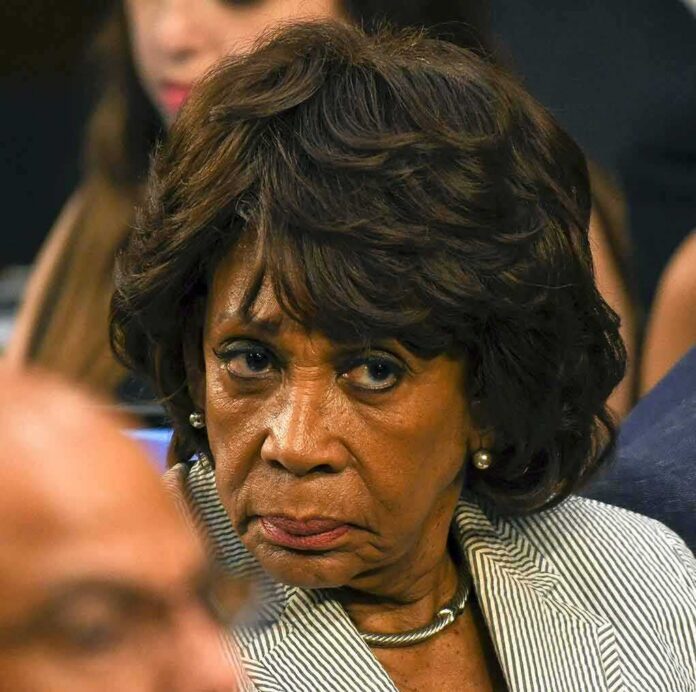
At a tense House hearing, Rep. Maxine Waters forced Treasury Secretary Scott Bessent to defend tariffs as prices stay stubborn for many families.
Story Highlights
- Waters pressed Bessent to link tariffs and rising prices, demanding direct answers.
- Bessent argued inflation is mainly in services and said tariff pass-through is limited.
- Earlier coverage showed Bessent had called tariffs inflationary, then recanted in Congress.
- Independent research shows mixed but real tariff effects on consumer prices in recent years.
Capitol Hill Clash Centers on Tariffs and Inflation
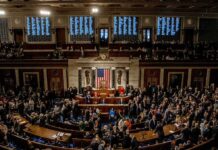
On September 15, Rep. Maxine Waters confronted Treasury Secretary Scott Bessent during a House Financial Services Committee hearing about whether President Trump’s tariffs are pushing up household costs. Waters tied tariffs to recent inflation readings and pushed for yes-or-no answers. Video from the session shows her pressing on inflation, tariffs, and borrowing costs as market rates climbed earlier in the week. The exchange captured a core fight: do tariffs add to prices people pay, or are other forces to blame?
Bessent defended the administration’s policy. He said inflation pressure is “fragmented” and sits mostly in services, which are not imported and thus less tied to tariffs. He also argued that companies have passed “very, very little, if any” of tariff costs to consumers, pointing to lower goods inflation compared with overall inflation earlier this year. His stance fits a steady message from Treasury that tariffs are not a main driver of price growth.
Bessent’s Shifting Language Fuels the Debate
Coverage from earlier this year shows Bessent once suggested tariffs could be inflationary, then pulled that back in a February House appearance, saying he was mistaken. In interviews, he has framed tariff effects as a one-time price adjustment rather than a lasting inflation engine, separating them from ongoing price growth in services like housing, healthcare, and hospitality. That shift gave Waters room to argue that Treasury’s own words point to real price effects, even if the scale is disputed.
Waters also linked tariffs to everyday purchases and construction costs, reflecting months of public concern about grocery bills, gas, and housing inputs. Bessent countered that the bigger story is services, not goods, and that the policy goal is to reshore production rather than to raise prices at the checkout line. The exchange underscored a broader frustration shared by many voters: leaders argue over labels while costs for basics still strain family budgets.
What Independent Research Says About Tariff Pass-Through
Federal Reserve and academic studies show mixed results on how much tariffs lift consumer prices. Some recent work finds measurable pass-through to retail prices, with small but clear contributions to inflation in 2025 and 2026. Other research shows effects that are modest or delayed and often smaller than swings driven by services or energy. The bottom line from this literature: tariffs tend to raise some prices, but they rarely explain most of overall inflation by themselves.
The clip shows the real policy split, not just a shouting match. Waters treated quotes from Gates and Amodei as if they were already a regulation. Bessent treated “they can stop anytime” as if voluntary restraint plus NIST testing is enough for models that will soon sit inside…
— 🌟🇺🇸Nancy Hamm🇺🇸🌟 (@nancy_hamm1) September 16, 2026
That nuance got lost in the hearing’s heat. The committee did not present a full, shared accounting of how much tariffs, housing, energy, and wages each added to inflation this year. Without that breakdown, each side picked the part that fit its case. For citizens who feel squeezed, the spectacle feeds a larger worry: Washington argues while the bill comes due at the pump and the checkout line, and no one takes full responsibility.
Sources:
fortune.com, cnbc.com, thegatewaypundit.com, reuters.com, youtube.com, cnn.com