A once-stable tipping norm has escalated from 15% to as high as 30%, driven by digital prompts and inflation, shifting service wage pressure onto customers.
At a Glance
- Historically, 15% was the standard tip, with 20% reserved for exceptional service, and now prompts routinely request 25–30%.
- Digital point-of-sale systems such as Square, Clover, and Toast prominently display high tip suggestions, while concealing custom tip options.
- Social pressures play a role—cashiers and other waiting customers often observe tipping choices in real-time, contributing to a phenomenon known as “digital guilt tipping.”
- Inflation has raised the real value of tipping: a burger that was $10 becomes $14–$15, so even a “same” 20% tip now costs more.
- This trend reflects broader tip-inflation—or “tip-flation”—where tipping expectations have expanded across many scenarios, spurred by pandemic-era behavior and technology.
Growing Frustration Among Consumers
Consumers are increasingly dissatisfied with how tipping culture has expanded beyond traditional restaurants and into coffee shops, takeout counters, and even self-service kiosks. Surveys show nearly 90% of Americans believe tipping has become excessive, and many admit they tip more out of obligation than generosity. According to a national survey, 41% of adults now say tipping culture is “out of control.”
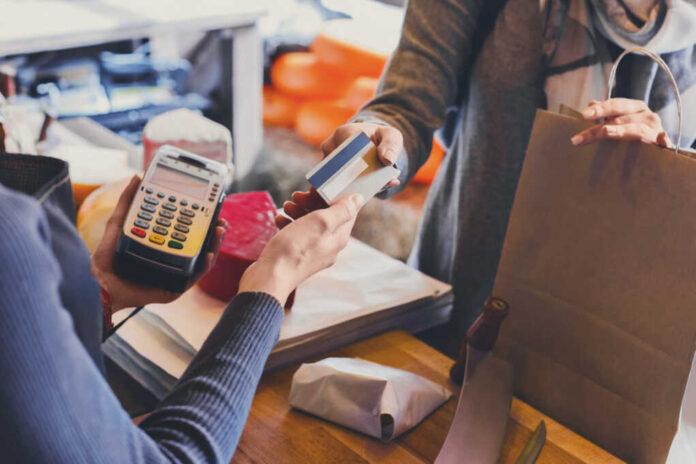
The pressure is particularly acute in digital transactions. Customers paying with credit or debit cards often face screens that display suggested tip percentages ranging from 20% to 30%. Declining to tip is not always straightforward, with custom or “no tip” buttons sometimes hidden within multiple menu screens. The act of refusing to tip becomes public, visible to both the employee and others in line, creating what analysts call a “guilt tipping” environment.
Watch now: How Tipping Culture Finally Broke Americans · YouTube
The inflationary environment has further fueled frustration. A meal that cost $10 before the pandemic may now cost $14 or $15. Even if the tip percentage remains constant, the absolute dollar amount rises, making the consumer’s total outlay significantly higher. This has led to what some economists describe as “tip inflation,” where gratuities increase simply due to higher base prices, even without any change in service quality.
The Role of Technology
Point-of-sale systems have been instrumental in reshaping tipping norms. Companies like Square, Clover, and Toast have popularized pre-set tipping options that appear prominently on screens, often suggesting higher percentages than consumers historically considered standard. These companies argue that such features make the process more convenient and ensure service workers are compensated fairly.
Critics, however, argue that technology has been weaponized to maximize gratuity revenue, shifting the burden of wage increases onto customers rather than businesses. What was once a voluntary gesture of appreciation now feels compulsory. In particular, custom tipping options are often less visible, requiring multiple button presses, which further nudges consumers toward higher default percentages.
During the pandemic, customers were especially generous, eager to reward essential workers navigating health risks. That moment of solidarity has now hardened into expectation, with tip prompts embedded into almost every type of service transaction. From airport kiosks to fast-food counters, tipping has become a routine part of payment—even when minimal or no direct service is provided.
Cultural Backlash and Push for Change
The rise of “tip fatigue” has sparked cultural pushback. Younger consumers, particularly members of Gen Z, report being less willing to accept ever-expanding tipping demands. With many facing stagnant wages, student debt, and rising costs of living, younger adults often argue that service workers should receive fair, predictable wages from employers rather than relying on uncertain gratuities.
Meanwhile, industry experts note that tipping culture is not uniform globally. In many European countries, service charges are included in menu prices, and tipping is considered optional rather than expected. Some analysts suggest that the U.S. may eventually need to move toward a similar model to alleviate both customer frustration and worker insecurity.
For now, though, tipping remains deeply embedded in American service culture. As digital payment systems become more prevalent and inflation continues to raise baseline costs, the debate over how much, when, and where to tip is unlikely to fade soon. Instead, it appears destined to remain a flashpoint in broader conversations about fairness, wages, and consumer responsibility.
Sources