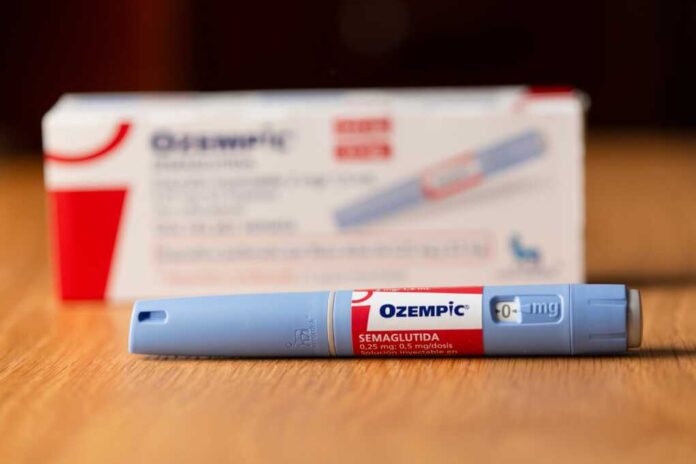
The next wave of GLP-1 therapies promises unprecedented weight loss solutions, potentially redefining obesity treatment and market dynamics.
Story Highlights
- Next-generation GLP-1 drugs set to revolutionize weight loss treatments.
- Combination therapies and oral formulations improve accessibility and efficacy.
- Market projected to hit $150 billion by 2030, driven by innovation and demand.
- Food and consumer industries rapidly adapting to new dietary trends.
- Insurance coverage discussions intensifying as new therapies emerge.
Revolutionizing Obesity Treatment with GLP-1 Therapies
In recent years, GLP-1 receptor agonists have emerged as a potent tool in managing obesity, initially designed for type 2 diabetes. These drugs, such as Ozempic and Wegovy, have gained popularity for their weight loss benefits. Now, the market is on the brink of a significant transformation with the introduction of next-generation therapies. These include combination drugs like CagriSema and high-dose oral formulations, promising enhanced efficacy and broader applications.
The forthcoming innovations in GLP-1 therapies are not just about improving drug efficacy. They also aim to make these treatments more accessible and user-friendly. Oral formulations and higher-dose options are expected to ease administration and adherence, crucial for long-term success in obesity management. As these advancements unfold, they are anticipated to drive significant changes in the market, projected to reach $150 billion by 2030.
‘Game changer’ Ozempic-like pill causes 13% weight loss — here’s when it could become available https://t.co/hrZemyCmpB pic.twitter.com/jN4Eb5HIPS
— New York Post (@nypost) September 22, 2025
Economic and Social Implications of GLP-1 Advancements
The rise of GLP-1 therapies is set to impact various sectors. The food industry is rapidly adapting, with companies like Conagra and Nestlé launching products tailored for GLP-1 users. This shift reflects changing consumer preferences driven by new dietary habits associated with these drugs. Moreover, the insurance landscape is under scrutiny, with discussions around broader coverage as more therapies enter the market.
While the potential for reducing obesity rates is promising, challenges persist. Affordability and insurance coverage remain major hurdles, with ongoing debates about drug pricing and access. Despite these concerns, the transformative potential of these therapies for public health is undeniable, provided that access barriers are addressed effectively.
Stakeholder Dynamics and Future Outlook
Key stakeholders, including pharmaceutical companies, regulatory bodies, and insurers, play crucial roles in shaping the GLP-1 market’s future. Pharma companies are at the forefront, driving innovation and market supply. Regulators ensure safety and efficacy, while insurers’ decisions on coverage will significantly influence treatment accessibility.
As these dynamics evolve, the focus on effective obesity management is likely to intensify. The potential for GLP-1 therapies to redefine weight loss treatment is substantial, offering hope for millions struggling with obesity. However, the path forward requires careful navigation of economic, social, and political challenges to maximize the benefits of these groundbreaking developments.
Overall, the next decade promises to be pivotal for GLP-1 therapies, with widespread implications for healthcare, consumer behavior, and industry practices. By addressing current challenges and leveraging these innovations, we can look forward to a healthier future marked by transformative advancements in obesity care.
Watch the report: Ozempic is a game-changer. Here’s how it works.
Sources:
‘Game changer’ Ozempic-like pill causes 13% weight loss — here’s when it could become available
News: ‘A Game Changer’: Drug Brings Weight… (The New York Times) – Behind the headlines – NLM.