
A $25 porch-theft case spiraled into a federal lawsuit after police allegedly used networked cameras to track a woman’s movements without a warrant.
Story Snapshot
- A Colorado woman filed a federal class-action lawsuit over alleged warrantless vehicle tracking and a dropped theft charge.
- The officer linked her Rivian truck to a porch theft mainly using Flock camera location data, not person ID.
- Flock says its system correctly placed the vehicle; police decide how to use the data.
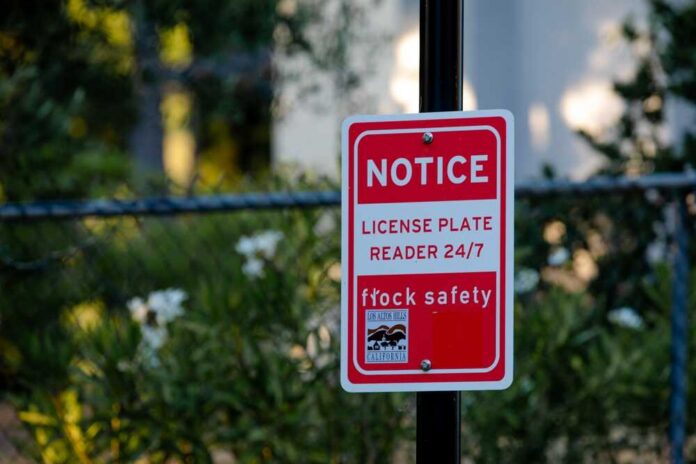
- The case spotlights how automated plate readers can turn daily driving into searchable histories.
Lawsuit Claims Warrantless Tracking Led To A Wrongful Charge
Chrisanna Elser sued Flock Group, the Town of Bow Mar, and the Town of Columbine Valley in federal court in October 2026. The complaint says Sergeant Jamie Milliman tied her to a package theft after reviewing Flock camera images of her vehicle entering and leaving Bow Mar. The filing claims officials searched and shared her movement records without a warrant or supervisory approval. The towns dropped the theft charge about two weeks later, after Elser submitted exculpatory evidence.
The Denver Post reported that Milliman issued a ticket “solely” based on a Flock camera capture of Elser’s forest-green Rivian driving near the incident time. Reported accounts describe an inference from vehicle movement, not proof that Elser left the truck and took the package. The alleged theft involved a $25 item, yet resulted in a criminal summons before the case was voided. These facts now drive a broader legal challenge to data access rules and retention practices.
Police Evidence Centered On Vehicle Location, Not Person Identification
Coverage describes Flock images that showed Elser’s Rivian moving through Bow Mar from 11:52 a.m. to 12:09 p.m. on the theft date. That timeline placed the vehicle nearby, but did not identify who, if anyone, exited to steal a package. Elser says she was at a dress fitting roughly a quarter mile away when the theft occurred. The town later dismissed the charge after she sent proof supporting her account, according to reporting on the case.
Flock and police have not released the original camera files, location metadata, or audit logs to the public. Without those records, the public cannot test image quality, timestamps, or how the search was run. The complaint argues the real harm is not only a mistaken link, but the ease of scanning past vehicle movements without court oversight. That line of attack frames the case as a constitutional fight, not just a single bad call.
Flock Says Tech Worked; Responsibility Rests With Investigators
Flock Safety says its system accurately identified the location of Elser’s vehicle. The company argues law enforcement must weigh camera data with other evidence before taking action. This stance shifts focus from alleged misidentification to how officers apply the tool. The company also says it will defend the accuracy and integrity of its technology as the lawsuit proceeds through court.
Police officials have offered limited public detail while litigation is pending. That silence leaves Elser’s account and the lawsuit’s narrative as the most complete public version so far. The lack of a full timeline or full documentary record means the case’s key questions—what the data showed, how it was searched, and who approved it—will likely be answered through discovery, not press statements.
Why This Fight Resonates Across The Political Spectrum
Automated license-plate readers turn routine driving into searchable location trails. Courts have not settled every rule for long-term tracking, retention, and sharing. Policy groups warn that errors and misuse can sweep up innocent people, even when a camera read is technically correct. This case highlights a hard truth for both the left and the right: powerful systems can watch everyone, yet accountability often lags behind the tech that is already on our streets.
A Colorado woman is taking legal action after being mistakenly accused of stealing a $25 package, raising serious questions about police surveillance technology and the protection of personal privacy.
Chrisanna Elser filed a federal lawsuit against Flock Safety, two Colorado… pic.twitter.com/wZuCMUkQa8
— Charles Frank (@Charles32962) October 12, 2026
The complaint’s class-action push aims to force clear guardrails: warrants for historical searches, supervisor checks, and strict limits on retention and sharing. Supporters say these steps would protect due process without blocking legitimate policing. Skeptics fear cities adopted the system first and are writing the rules later. That order flips a core American value—freedom first, surveillance last—and puts everyday drivers at risk of being treated like suspects in their own towns.
Sources:
townhall.com, courthousenews.com, coloradosun.com, denverpost.com, www-cdn.abcnews.com