
President Trump accused Yemen’s Houthis of attacking Saudi energy targets to push oil prices higher ahead of the U.S. midterm elections, tying battlefield strikes to Americans’ fuel bills.
Story Snapshot
- Trump said Houthis are trying to raise oil prices before midterms and vowed not to forget Saudi attacks.
- Houthis claim their actions enforce a “blockade for a blockade,” not U.S. election meddling.
- Attacks near the Red Sea chokepoint add shipping time and cost, lifting a risk premium on oil.
- Brent crude moved toward $100 as supply fears rose after tanker strikes were reported.
Trump’s Charge Links Houthi Strikes, Oil Prices, and U.S. Politics
President Trump said on October 13 that Iran-backed Houthi militants are “purposefully trying to drive up Oil Prices” ahead of U.S. midterm elections. He warned he would “never forget” their attacks on Saudi Arabia. His claim connects the timing of Red Sea and Saudi-linked strikes to price pressure felt by U.S. voters at the pump. Trump’s remarks followed reports of Houthi hits on Saudi energy interests and tankers, and came as markets showed fresh concern about supply risks.
Financial reports said Brent crude moved toward $100 per barrel as traders weighed the chance of wider disruption after Saudi-linked tankers were attacked. Markets often add a “risk premium” when conflict threatens supply lines, even before barrels go offline. That premium can ease if routes stay open. But when ships re-route for safety, costs rise and delays build. That pattern reappeared as insurance and voyage times came under pressure from renewed violence.
Houthis Say Goal Is Retaliation and Blockade Pressure on Saudi Arabia
Houthi leaders rejected the idea that they act to sway U.S. politics. Senior figures described their moves as payback for what they call a years-long Saudi siege of Yemen. One spokesman called it “a blockade for a blockade,” saying the goal is to force Riyadh to ease airstrikes and lift port and airport limits. Houthi statements also said the tanker attacks enforced their declared embargo, not an effort to time or move U.S. prices.
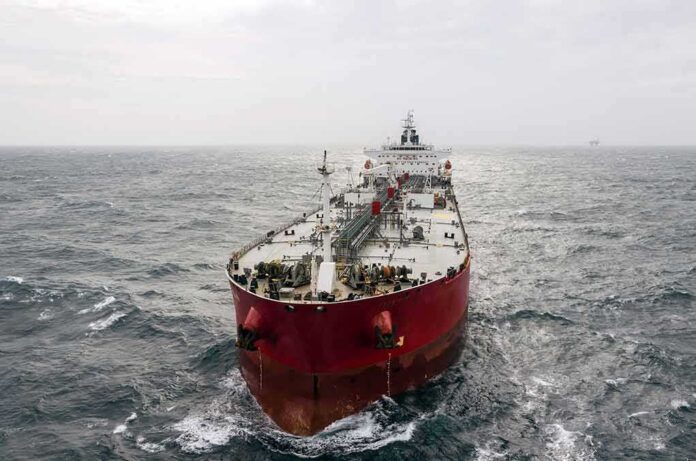
Houthi military messaging focused on Saudi targets and routes. Officials said Saudi-flagged tankers Encelia and Layla were struck for violating the embargo on Saudi ports. That framing stresses a regional fight with Saudi Arabia rather than global oil politics or the U.S. election cycle. The competing narratives matter because they shape how outside powers, shippers, and insurers judge intent, risk, and possible escalation paths in coming weeks.
Why These Attacks Hit Your Wallet Even If Intent Is Disputed
Energy routes near Yemen sit by the Bab el-Mandeb Strait, a narrow gate between the Red Sea and the Gulf of Aden. When violence rises there, ships often avoid the strait and sail around Africa. That adds time, fuel, and crew costs. The United States Energy Information Administration reported that Red Sea attacks push carriers to re-route, lengthening voyages and lifting freight rates. Those costs can feed into crude and product prices that U.S. drivers and shippers pay.
History shows wars and terror events can jolt oil prices quickly, even when damage is limited. Studies by the Energy Information Administration and the World Bank link rising geopolitical risk to sharper price swings. Prices often jump on fear, then adjust as facts emerge. But persistent threats at chokepoints can keep a premium alive. This cycle strains family budgets, small fleets, and farm inputs, and it often fuels anger at leaders seen as slow, captured, or distracted.
Competing Claims, Shared Risks, and Voter Frustration
Trump’s claim centers on political intent and timing. Houthi leaders frame their actions as local retaliation. Both can be true that attacks raise prices and that motives are contested. What voters feel first is the pump price and the grocery bill. When conflict spikes insurance, detours ships, and rattles traders, Americans pay more. That is why a strike on a tanker thousands of miles away can show up in a delivery surcharge two weeks later.
Tell the Houthis that I am not running for any election and that I will still be here long after the midterm elections.
As for their attempts to drive up global oil prices by bombing Saudi Arabia, tell them one thing: I will never forget what they have done.
-President Trump pic.twitter.com/spaM2bmShx
— Arc Uche Rochas (@U_Rochas) October 13, 2026
Americans across parties see a system that too often protects insiders while shifting costs to families. People on the right blame globalism, green mandates, and weak borders. People on the left blame “America First” choices, cuts to safety nets, and rising inequality. Here is a point of agreement: if a few missiles can swing prices and policy still lurches from crisis to crisis, then the system is brittle. Clear plans to secure trade lanes, steady energy supply, and lower costs remain overdue.
Sources:
dawn.com, businessday.ng, npr.org, english.alarabiya.net, nytimes.com