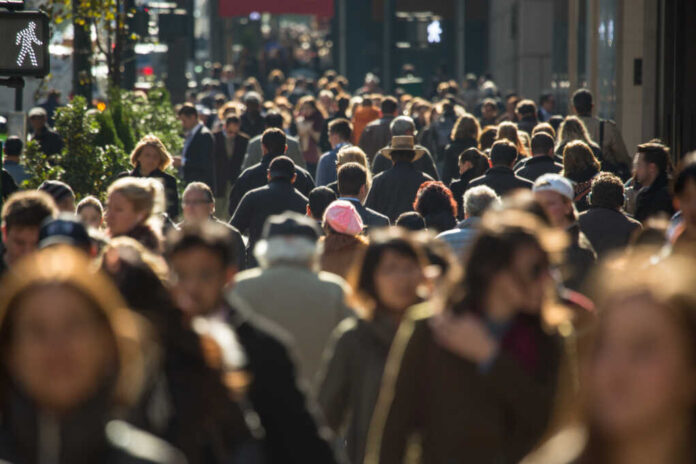
Global population growth is slowing and set to reverse, threatening to upend economies, societies, and geopolitical stability.
At a Glance
- Global population projected to peak at 10.3 billion in 2084
- China expected to lose 155.8 million people by 2050
- Developed nations face labor shortages and aging workforces
- Migration may offset declines but faces political resistance
Demographic Shifts and Their Impacts
The demographic transformation of the 21st century is stark: after decades of explosive growth, the world’s population is entering an era of slowdown. From just 2.5 billion in 1950, humanity surged to over 8.2 billion today. Yet projections suggest the global count will peak at 10.3 billion in 2084 before gradually declining.
The main driver of this shift is the decline in fertility rates across much of the developed world. Countries such as Japan and China are already experiencing shrinking populations, with China forecast to lose more than 155 million people by 2050. The consequences reach beyond sheer numbers, threatening economic models built on expanding workforces and consumer demand. For nations reliant on young labor, the shift poses stark challenges for sustaining productivity and growth.
Watch now: Future Shock: Declining Global Population
American decline: Depopulation is possible — and could cause a collapse https://t.co/qBQgNhYhNK pic.twitter.com/luyrYkEjRu
— NY Post Opinion (@NYPostOpinion) September 14, 2025
Economic and Social Ramifications
Population decline exerts pressure on multiple economic fronts. In the near term, aging societies face shrinking tax bases alongside ballooning pension and healthcare costs. Over time, reduced labor participation risks slowing innovation, dampening competitiveness, and constraining overall growth. Policymakers are already grappling with how to maintain living standards in economies built for demographic expansion.
Some argue that smaller populations could mean better resource allocation and improved quality of life, potentially spurring advances in sustainability and research. However, the immediate fiscal stress on social welfare systems complicates this optimistic outlook. Countries such as Portugal have experimented with policies to lure emigrants back, yet such initiatives face mixed success. Migration may ease demographic pressure in some states, but political resistance to large inflows of migrants suggests uneven results across the globe.
Global Implications and Responses
Depopulation is not just a domestic challenge but a global one. As Africa’s population expands, the continent will claim a growing share of the world’s demographic weight, creating opportunities for economic ascendancy. In contrast, Europe, East Asia, and other developed regions will struggle with shrinking and aging populations. This divergence could reshape international power balances, shifting both economic leverage and political influence toward younger regions.
Policy responses will define the trajectory of this shift. Governments face urgent choices: adapt welfare systems to aging demographics, encourage immigration while managing domestic tensions, and rethink economic models less reliant on perpetual growth.
International organizations are also pressed to coordinate strategies addressing migration flows, labor shortages, and social safety nets. Whether depopulation leads to crisis or opens pathways for sustainable innovation remains unresolved, but its role as a defining global challenge is increasingly clear.
Sources