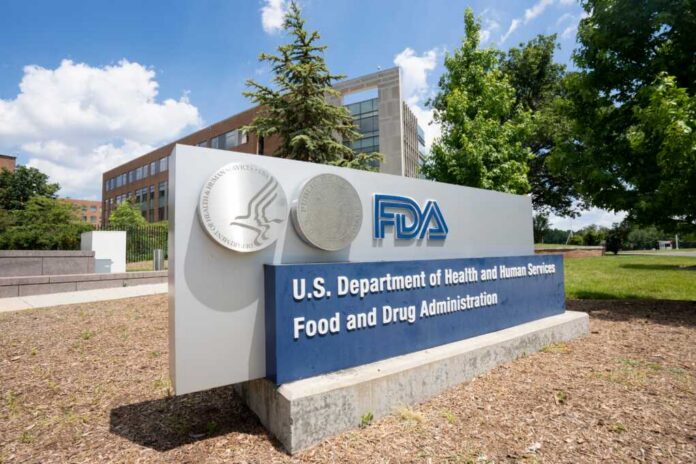
President Trump signs executive order to fast-track psychedelic drug reviews for veterans with PTSD, cutting through FDA red tape to deliver hope to suffering Americans.
Story Highlights
- Trump announces historic reforms accelerating FDA review of breakthrough psychedelic therapies for PTSD, depression, and veteran mental health crises.
- Executive order prioritizes drugs like MDMA and psilocybin, building on Right to Try successes to bypass bureaucratic delays.
- Targets veterans’ suicides and chronic conditions, aligning with MAHA agenda amid frustrations over government inefficiency.
- Democrats and researchers warn of risks, but reform promises faster access to promising treatments despite legal hurdles.
Trump’s Bold Executive Action
President Donald Trump signed an executive order on Saturday directing the Food and Drug Administration to speed up reviews of psychedelic drugs designated as breakthrough therapies. The order focuses on treatments for post-traumatic stress disorder, depression, and suicide prevention among U.S. veterans. Trump stated during an Oval Office news conference, “I’m pleased to announce historic reforms to dramatically accelerate access to new medical research and treatments based on psychedelic drugs.” This move expands on first-term policies like Right to Try, which allowed terminally ill patients experimental drug access. With Republicans controlling Congress in 2026, the administration pushes deregulation to prioritize patient needs over administrative waste. Conservatives applaud cutting federal bureaucracy that delays cures, echoing widespread distrust in elite-driven agencies failing everyday Americans on both sides of the aisle.
MAHA Commission and Policy Foundations
Executive Order 14212, signed February 14, 2025, established the MAHA Commission under HHS Secretary Robert F. Kennedy Jr. to combat chronic diseases through targeted research. This psychedelic reform integrates with broader second-term efforts, including a proposed 15% cap on NIH indirect costs to redirect billions from overhead to direct science. Past Trump initiatives, such as 2018’s Right to Try law and $1 billion Alzheimer’s boost, proved government can accelerate innovation when focused on results. Yet, 2018 congressional bans blocked similar cost caps, highlighting power struggles where elites protect budgets over breakthroughs. Today’s action defies such obstacles, resonating with citizens weary of deep state priorities that favor reelection over the American Dream of health through hard work and determination.
Stakeholder Clashes and Legal Battles
Democrat Rosa DeLauro, House Appropriations Ranking Member, calls the NIH cost caps “illegal,” predicting court blocks as in prior years. Universities like Harvard and Columbia face grant cuts, with researchers baffled by halts to systems like SMART IRB, delaying cancer and dementia trials. Trump administration counters that indirect costs waste taxpayer dollars, freeing funds for patient-first therapies. Elon Musk and others oppose aspects, but GOP congressional control shifts leverage toward implementation. This tension underscores bipartisan frustration: conservatives see victory over globalist overspending, while liberals fear discrimination in reformed welfare-like research access. Both sides agree federal officials prioritize jobs over solving crises like veteran mental health.
Pharma sectors may accelerate via precedents like COVID vaccine speeds, but FDA staff report political pressures eroding career scientist independence. The order mandates new guidance for clinical trials, shortening timelines for promising psychedelics. Terminally ill veterans stand to gain most, countering short-term trial delays with long-term access wins.
Impacts on Patients and Taxpayers
Short-term, billions redirect from NIH overhead, potentially slowing some studies but fast-tracking psychedelics for PTSD and depression. Long-term implications promise Right to Try expansions, saving lives amid veteran suicide epidemics. Economic gains include taxpayer savings and Medicare fraud reductions up to $15 billion, easing inflation burdens from past fiscal mismanagement. Socially, MAHA targets chronic ills, bridging divides where elites ignore have-nots. Politically, Democrats decry “dismantling,” but evidence shows efficiencies like insulin copay caps working. This reform alerts us to government failures, urging vigilance against departures from founding principles of limited, effective rule serving the people.
Sources:
Trump Team Dismantles Efforts to Find Cure for Cancer and Other Deadly Disorders
Trump White House Healthcare Issues
Medical Researchers Baffled by Trump Administration’s Stop-Work Order
Trump 100 Days Timeline: Science, Health, NIH, CDC, FDA, HHS
Look Back: Trump’s Health Care Reforms