A newly published body-camera video from January 6, 2021, shows a man—now a Justice Department adviser—yelling “Kill ’em!” at law-enforcement officers, raising serious concern about his role in the Department and what it reflects about internal standards and accountability.
At a Glance
- Metropolitan Police body-camera video shows a current DOJ adviser urging rioters to “kill ’em” during the Capitol attack.
- The adviser, Jared Wise, was previously charged in the January 6 riot but received a presidential pardon in January 2025.
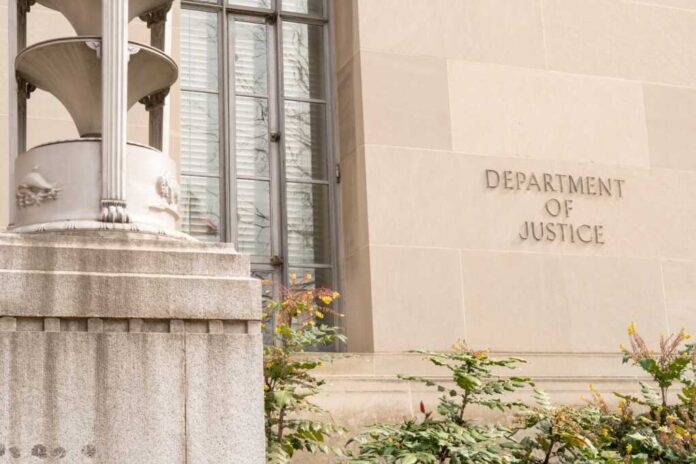
- Wise now works on the DOJ’s “weaponization working group,” tasked with investigating claims of political bias.
- The Justice Department has described him as a valued staff member, despite backlash.
- Video also shows Wise berating officers with charged language.
Context and Implications
The footage, recently released and reported by multiple news outlets, captures Wise—now an official within the Justice Department—using inflammatory language aimed at law enforcement during the Capitol riot. His subsequent employment and pardon have led to significant controversy and questions about the Department’s current internal standards.
Learn more: Body camera footage from Jan. 6 attack shows Justice Department adviser yelling for rioters to kill police · CBS News
https://www.cbsnews.com/news/body-camera-footage-from-jan-6-attack-shows-justice-department-adviser-yelling-for-rioters-to-kill-police/?utm_source=chatgpt.com
Critics argue that Wise’s presence within a group investigating political bias undermines the DOJ’s credibility. The working group, led by the department’s pardon attorney, has become a focal point for debate on politicization and staff vetting. While some have dismissed Wise’s behavior as a lapse in judgment amid chaos, others maintain it signals deeper concerns regarding post-2025 hiring practices.
Broader Significance
The Wise episode has heightened calls for greater transparency in the DOJ’s hiring and vetting processes, especially for politically sensitive roles. The controversy arrives as the Department faces persistent questions about neutrality and public trust. As video evidence circulates, debate continues over whether the agency’s leadership can reconcile internal loyalty with expectations of impartial rule of law.
Sources