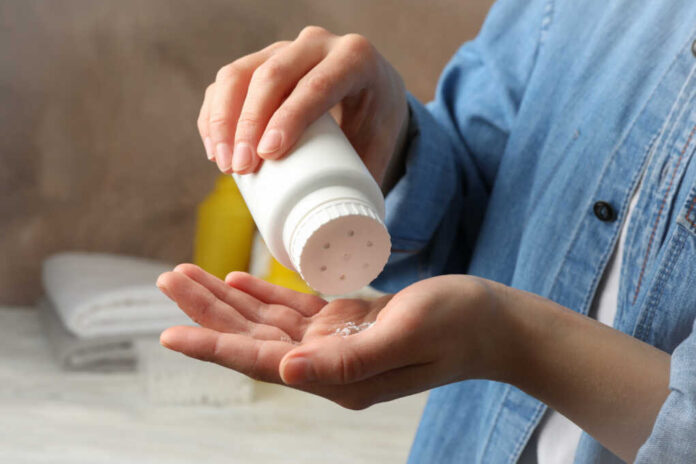
The Trump administration has delivered a significant win for American businesses, particularly the cosmetics industry, by withdrawing an FDA rule that mandated asbestos testing for talcum powder products. This move, which prioritizes aggressive deregulation over consumer safety testing mandates, aligns with the administration’s core economic strategy to eliminate burdensome regulations, reduce compliance costs, and streamline federal bureaucracy. The decision is framed as an effort to unleash American enterprise and promote business operational freedom.
Story Highlights
- Trump administration withdraws FDA talc-asbestos testing requirement for cosmetics manufacturers.
- Aligns with an aggressive deregulation agenda, eliminating 8 regulations for every 1 new rule adopted.
- Reflects commitment to reducing regulatory burden on American businesses and reducing compliance costs.
- Part of a broader effort to streamline federal bureaucracy and unleash American enterprise.
Deregulation as Core Administrative Priority
The Trump administration has made deregulation a cornerstone of its economic strategy. Instead of maintaining a 2-for-1 regulatory elimination ratio, the administration has eliminated 8 old regulations for every 1 new regulation adopted. This aggressive approach has provided the average American household with an extra $3,100 annually and reduced direct regulatory compliance costs by $50 billion, with additional savings projected. The FDA talc-testing withdrawal exemplifies this broader deregulatory philosophy.
The Environmental Working Group is criticizing the Food and Drug Administration after the agency abruptly withdrew a proposed rule meant to prevent asbestos contamination in talc-based cosmetic products. https://t.co/s1WT3hnMRP
— WKRG (@WKRG) November 27, 2025
Cosmetics Industry Relief and Market Impact
Withdrawing the talc-asbestos testing mandate removes a significant compliance burden from makeup manufacturers, allowing companies to redirect resources toward innovation and production. The cosmetics industry, already facing substantial regulatory pressures, benefits from reduced testing requirements and associated costs. This decision reflects the administration’s belief that excessive regulation stifles business growth and competitiveness. Manufacturers can now operate with fewer mandated testing protocols, streamlining operations and potentially lowering production expenses.
Broader Context of Federal Efficiency Initiatives
The FDA withdrawal fits within the administration’s larger Department of Government Efficiency (DOGE) efforts launched in January 2025. DOGE focuses on reducing redundant offices, streamlining required programs, and eliminating wasteful spending. The administration has signed over 170 executive orders delivering on campaign promises, including closing the border and ending federal censorship. Deregulatory actions undertaken by the Trump administration are expected to save American consumers and businesses over $220 billion annually once fully implemented.
Business Freedom vs. Regulatory Oversight
The decision prioritizes business operational freedom and reduces government intervention in market decisions. Supporters argue that manufacturers should determine their own safety protocols without federal mandates, trusting market competition and consumer choice to drive quality standards. This reflects conservative principles favoring limited government and individual responsibility over centralized bureaucratic control. The administration contends that excessive regulation hampers American competitiveness and economic growth, justifying the removal of testing requirements that manufacturers view as burdensome compliance costs.
Watch the report: FDA Withdraws Proposal to Test Talc Cosmetics for Asbestos: What Does This Mean for Your Safety?
Sources:
FDA withdraws proposal to require talc-containing cosmetics to test for asbestos
FDA Withdraws Proposed Asbestos-Testing Rule for Talc Cosmetics, Plans New Version Under 2022 Mandate
F.D.A. Withdraws Rule to Require Testing Cosmetics Made With Talc for Asbestos – The New York Times
FDA withdraws rule on tests for cancer-causing asbestos in talc-based cosmetics