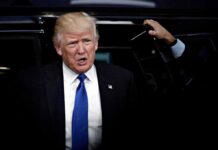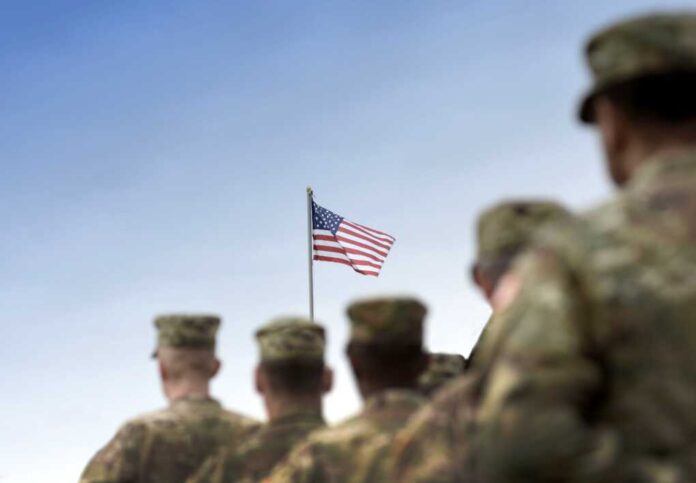
President Donald Trump recently issued a public statement regarding the potential deployment of U.S. military forces to San Francisco, citing concerns about public safety and immigration policies in what he termed “lawless sanctuary cities.” This statement has prompted discussion regarding the extent of federal authority in local law enforcement and the constitutional implications of such actions.
Story Highlights:
- President Trump publicly discussed the possibility of sending U.S. troops to San Francisco, referencing cities led by Democrats.
- The administration has increased the deployment of military and National Guard units in various jurisdictions.
- These actions align with the administration’s broader approach to law enforcement and immigration enforcement.
- Critics have raised concerns about potential federal overreach and the impact on constitutional protections for local governance.
President Trump’s Statements on Federal Intervention:
During a recent televised interview, President Donald Trump addressed the potential deployment of U.S. military forces to San Francisco. The President’s remarks were made in the context of concerns about public safety and immigration enforcement in cities that have adopted “sanctuary city” policies. This follows previous deployments of National Guard units in other jurisdictions.
The administration’s stance on utilizing military personnel for domestic law enforcement is consistent with broader efforts, including expanded cooperation with local police through 287(g) agreements and the reintroduction of policies granting federal authorities increased powers in immigration enforcement. These measures have implications for cities that have resisted federal directives and declined participation in certain immigration enforcement actions.
Trump says he may send federal troops to San Francisco under the Insurrection Act
More fraud, waste, and abuse
And Republican scum will cheer for it.#Trump #TrumpisaNationalDisgrace #NoKingsDayOct18th pic.twitter.com/o2cKGZzv6U
— Richard Smith (@Richard_ezio) October 20, 2025
Policy Changes in Immigration Enforcement:
In 2025, the Trump administration implemented policies that have significantly altered immigration enforcement nationwide. These actions have included executive orders and legislative measures focused on deportations, expanded expedited removals across the country, and the establishment of daily arrest quotas. The administration has also encouraged states and cities to cooperate by referencing potential funding cuts and legal penalties for noncompliance. Legal analysts have noted that these steps may test the boundaries of executive authority and could impact established checks and balances designed to safeguard local governance and individual rights.
President Trump suggests he may send the National Guard to San Francisco to address “out of control crime” pic.twitter.com/INzwIr1Of8
— BAY AREA STATE OF MIND (@YayAreaNews) August 23, 2025
Constitutional and Legal Considerations:
The Posse Comitatus Act generally restricts the use of federal military forces in domestic law enforcement, with exceptions authorized by Congress or the President under specific circumstances. Critics argue that such deployments could impact principles of federalism and raise questions about the distribution of power between states and the federal government. The prospect of military personnel being involved in domestic policing has drawn attention from civil liberties organizations and generated debate about the appropriate role of federal power in internal affairs.
Watch the report: Trump says government will send National Guard troops to San Francisco | KTVU
Sources:
Trump claims ‘unquestioned power’ in vow to send troops to San Francisco | Trump administration | The Guardian
Appeals court allows Trump administration to deploy National Guard in Portland | CNN