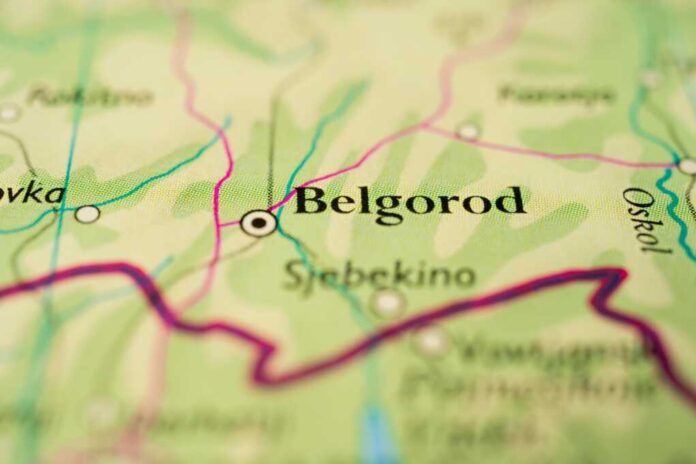
Ukrainian missile strikes targeting Russia’s energy infrastructure have marked a dangerous and significant escalation in the ongoing conflict. On November 8, 2025, forces hit infrastructure in two major Russian cities, including Belgorod, leaving approximately 20,000 residents without electricity and heating as winter approaches. This aggressive move, viewed as a direct retaliation for Moscow’s attacks on Ukrainian energy systems, underscores the strategic importance of civilian infrastructure in modern warfare and raises concerns about the broader humanitarian implications.
Story Highlights
- Ukraine targets Russian energy infrastructure, hitting major cities.
- Belgorod faces significant power and heating outages, affecting 20,000 residents.
- Escalation as both sides target civilian infrastructure in retaliation.
Ukrainian Strikes Impact Russian Energy Infrastructure
On November 8, 2025, Ukrainian forces launched missile strikes against energy infrastructure in two major Russian cities, including Belgorod. This aggressive move left approximately 20,000 residents without electricity and heating, highlighting the severe impact on civilian lives during the harsh winter months. The strikes represent a significant escalation in the conflict, as Ukraine retaliates against Russian attacks on its own energy systems.
The local Russian officials have been scrambling to restore essential services amidst the widespread outages. The attack underscores the strategic importance of energy infrastructure in modern warfare, as both sides aim to undermine each other’s morale and logistical capabilities. The civilian population, caught in the crossfire, faces increased hardship as the conflict continues to escalate.
Ukrainian strikes disrupted power and heating to two major Russian cities near the Ukrainian border, local Russian officials reported Sunday. https://t.co/moAKS7AEKt
— Breitbart News (@BreitbartNews) November 9, 2025
Retaliation and Strategic Escalation
Ukraine’s decision to target Russian civilian infrastructure is a direct response to Moscow’s intensified attacks on Ukrainian energy systems. Recent months have seen Russia cause widespread blackouts across Ukraine, prompting Kyiv to expand its military strategy. This tit-for-tat escalation has raised concerns about the broader implications for civilian safety and stability in the region.
The strikes have drawn international attention, with analysts warning that such actions could lead to further civilian suffering and potential condemnation from the global community. The reciprocal nature of these attacks highlights the vulnerability of urban populations and raises questions about the rules of engagement in conflict zones.
Long-term Implications for Conflict Dynamics
The immediate aftermath of the strikes has put immense pressure on Russian emergency services, as they work to assess and repair the damage. Long-term, this escalation could further strain diplomatic relations and lead to increased calls for security measures within both countries. The ongoing infrastructure attacks may also shift public opinion, influencing domestic support for the war.
Authorities suggest that the strategic targeting of energy systems is aimed at weakening enemy logistics, but the approach risks turning the conflict into a prolonged war of attrition. As winter deepens, the humanitarian consequences could be catastrophic, especially for civilians caught in the battle for control over critical infrastructure.
Watch the report: Russia Ukraine War: Ukrainian strikes disrupt power and heating to 2 major cities in Russia | N18G
Sources:
Russian attacks target nuclear substations, kill seven, Ukraine says | Reuters
Kyiv targets Russia’s energy supply after massive attack on Ukraine power grid – POLITICO
Ukraine hits Russian energy, leaving thousands without power – DW – 11/10/2025
Ukraine drone strikes throw power supplies into disarray in Russian cities