

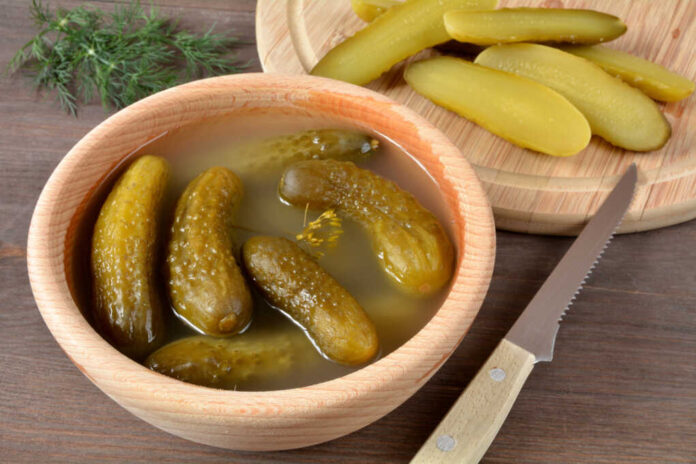
A global surge in pickle popularity, driven by social media and consumer demand for bold flavors, is transforming food product development and market dynamics worldwide.
At a Glance
- 63% of global consumers report favorable views of pickles
- The global pickle market was valued at $25.26 billion in 2024
- Fast food chains and snack brands are releasing pickle-based products
- North America accounts for 35.47% of the global pickle market
- Viral content on TikTok and Instagram boosts trend visibility
From Side Dish to Star Ingredient
What began as a niche culinary preference has evolved into a dominant food trend: pickles are now a focal point in snacks, beverages, fast food, and even cocktails. Major companies such as Lay’s, Chick-fil-A, and Sonic have launched pickle-flavored items, while Kraft Heinz and Conagra are expanding their offerings to include artisanal and gourmet pickle lines.
This development marks a wider shift in consumer preferences toward tangy, bold flavors and a growing interest in clean-label, locally sourced foods. The trend reflects a reorientation of the industry, with flavor innovation now often guided by viral demand and cultural relevance rather than traditional culinary standards.
Watch now: Why Pickles Are Taking Over the World · YouTube
Social media platforms, particularly TikTok and Instagram, have played a central role in elevating pickles from humble garnish to culinary phenomenon. Influencer-driven challenges, food reviews, and recipe content have pushed pickle-related posts to millions of viewers, generating high engagement and consumer experimentation.
Economic Impact and Market Expansion
In 2024, the global pickle market reached a valuation of $25.26 billion, with forecasts suggesting it could grow to $40.01 billion by 2032. North America remains the largest regional contributor, holding over a third of the total market share. Much of the growth stems from increased consumer interest in gourmet and artisanal pickles, which are often positioned as healthier and more sustainable alternatives to mass-produced condiments.
This market expansion is also influencing adjacent categories such as sauces, snacks, and beverages. Beverage innovations like pickle-flavored cocktails and sparkling brines are emerging, reflecting a broader willingness to experiment with tangy profiles. Retailers and producers alike are investing in supply chains that support local sourcing and clean-label manufacturing to meet evolving consumer expectations.
Cultural and Nutritional Implications
Beyond market dynamics, pickles are emerging as cultural symbols of flavor exploration and pop culture engagement. Memes, hashtags, and influencer promotions have embedded the pickle into daily online life, further accelerating its integration into mainstream food innovation.
From a health perspective, nutritionists highlight potential benefits in fermented pickles, such as probiotic support, though they caution against high sodium levels found in many commercial varieties. Food historians point out that pickling has deep roots in global culinary traditions, suggesting that the current trend may not be a passing fad but a reinvention of long-standing practices.
Looking ahead, analysts agree that the pickle trend’s endurance will depend on continued innovation, flavor diversity, and responsiveness to health and sustainability trends. Brands that adapt to these demands are likely to benefit from strong consumer loyalty and market expansion opportunities.
Sources