A St. Louis nonprofit director who claimed to feed hungry children instead pocketed millions of taxpayer dollars to buy cars and houses, leaving 860,876 promised meals unserved while vulnerable kids went without.
Story Snapshot
- Cymone McClellan sentenced to 41 months in federal prison for stealing $2.3 million from a children’s meal assistance program
- McClellan’s nonprofit claimed reimbursement for 860,876 meals but purchased food for fewer than 215,000 meals over three years
- The fraud diverted roughly 75% of federal funds meant for low-income Missouri children during the pandemic
- Judge ordered forfeiture of vehicles and real estate purchased with stolen funds plus repayment of remaining fraud proceeds
The Numbers That Exposed the Fraud
Cymone McClellan operated Sister of Lavender Rose, a nonprofit enrolled in Missouri’s state meal program since January 2019. Over three and a half years through June 2022, her organization submitted reimbursement claims for 860,876 meals allegedly served to low-income children. Federal investigators discovered S.O.L.R. purchased only enough food and milk to prepare fewer than a quarter of those meals. The stark discrepancy between claimed and actual meals triggered an FBI and USDA Office of Inspector General investigation that ultimately unraveled a $2.3 million fraud scheme targeting one of America’s most vulnerable populations.
Lies Built Into the System From Day One
McClellan didn’t stumble into fraud; she engineered it from enrollment. When registering S.O.L.R. with the Missouri Department of Health and Senior Services, she submitted management plans falsely identifying a finance director who would provide oversight and sign all checks. That individual was never actually authorized on the nonprofit’s account. McClellan further claimed in official documents that meal reimbursement dollars were spent exclusively on feeding children and that the organization never used meal money for purchases exceeding $5,000. Both assertions were deliberately false, creating a paper trail of legitimacy while funneling taxpayer money into personal assets including vehicles and real estate.
Pandemic Programs Became Fraud Opportunities
The scheme operated during a period when federal meal assistance programs expanded dramatically to address child hunger during the coronavirus pandemic. These USDA-administered programs, channeled through state health departments, represented a critical safety net when school closures left millions of children without access to cafeteria meals. McClellan exploited both the increased funding and potentially strained oversight mechanisms that accompanied rapid program expansion. Her co-conspirator Terra Davis, who served as second-in-command at S.O.L.R., received five years probation in June 2025 and was ordered to repay the full $2.3 million alongside McClellan’s restitution obligations.
The Dual Damage of Nonprofit Fraud
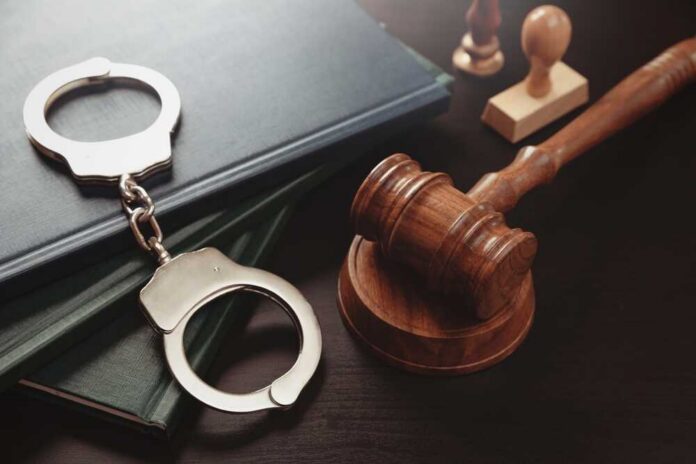
U.S. District Judge Rodney W. Sippel handed down the 41-month prison sentence in April 2026 after McClellan pleaded guilty to conspiracy to commit wire fraud the previous May. U.S. Attorney Thomas C. Albus captured the case’s broader significance in his public statement, noting McClellan caused lasting damage not only through direct theft but by diminishing public support and increasing cynicism through corruption. This observation reflects a hard truth about social program fraud: stolen dollars represent only the visible damage. The invisible cost manifests in taxpayer skepticism toward legitimate needs and increased regulatory burdens on honest nonprofits trying to serve communities.
Questions the Sentencing Leaves Unanswered
While the conviction and sentencing bring legal closure, operational questions remain. How did systematic false claims continue for three and a half years before detection? What specific oversight gaps allowed such dramatic discrepancies between claimed and actual meals to go unnoticed? The case file doesn’t reveal whether improved data analytics, whistleblower reports, or routine audits triggered the investigation. Asset forfeiture proceedings will determine how much of the stolen $2.3 million taxpayers might recover through seizure of McClellan’s ill-gotten vehicles and properties. The disparity between 860,876 phantom meals and food purchases sufficient for fewer than 215,000 represents either remarkably brazen fraud or disturbingly inadequate monitoring systems, possibly both.
The Price Children Pay for Adult Corruption
Federal meal assistance programs exist because hungry children cannot learn effectively, develop properly, or reach their potential without adequate nutrition. Low-income Missouri families trusted S.O.L.R. to fulfill that mission during an unprecedented public health crisis. Instead, their children’s needs became line items in a fraud scheme that treated vulnerability as opportunity. The 41-month sentence represents accountability, but it cannot restore the meals never served or repair the damaged trust in nonprofit organizations genuinely working to feed hungry kids. McClellan’s corruption didn’t just steal money; it weaponized compassion and exploited the social contract that binds communities together through shared responsibility for the most vulnerable.
Sources:
St. Louis Woman Sentenced to 41 Months for Stealing $2.3M From Children’s Meal Program – Townhall
Nonprofit Exec Prison Sentence Meal Fraud – St. Louis Business Journal