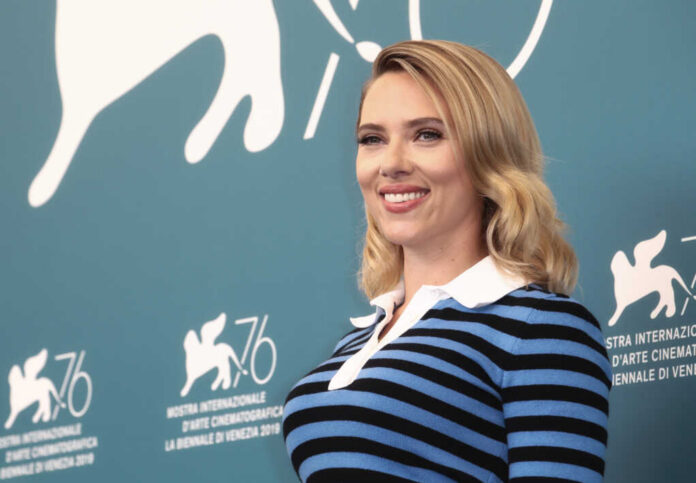
Over 800 prominent artists, including Scarlett Johansson and Cate Blanchett, have launched a coordinated campaign called “Stealing Isn’t Innovation” against major technology companies. The initiative directly accuses tech giants of copyright theft for using creative works without permission or compensation to train artificial intelligence systems. This unified industry defense of intellectual property rights demands licensing agreements and ethical guardrails, framing the issue as a defense of the entire U.S. creative sector against corporate overreach.
Story Highlights
- Scarlett Johansson, Cate Blanchett, and 800+ artists launch “Stealing Isn’t Innovation” campaign accusing tech companies of copyright theft.
- Campaign demands licensing agreements instead of unconsented AI training on copyrighted creative works.
- Approximately 60 lawsuits currently pending between creators and AI companies in U.S. courts.
- Artists previously petitioned Trump White House to protect copyright laws from AI industry pressure.
Hollywood Unites Against Big Tech’s Copyright Violations
Scarlett Johansson, Cate Blanchett, Joseph Gordon-Levitt, Cyndi Lauper, Common, R.E.M., and Breaking Bad creator Vince Gilligan joined over 800 prominent artists on January 22, 2026, to endorse the “Stealing Isn’t Innovation” campaign. The initiative directly accuses major technology companies of using copyrighted creative works without permission or compensation to train artificial intelligence systems. This represents a coordinated mobilization of high-profile creative talent across film, television, music, and publishing rather than isolated legal actions, signaling a unified industry defense of intellectual property rights.
More than 700 actors, writers, and other creators signed a new anti-AI statement saying tech firms are building AI by taking copyrighted work without permission or pay.
It asks AI developers to use licensing deals and partnerships instead.
Scarlett Johansson, Cate Blanchett,… pic.twitter.com/QRTgRY4vU7
— Rohan Paul (@rohanpaul_ai) January 23, 2026
Campaign Frames AI Training as Outright Theft
The campaign’s core message declares: “Stealing our work is not innovation. It is not progress. It is clear and simple theft.” Artists acknowledge AI holds tremendous promise and do not seek to halt technological advancement entirely. Instead, they demand that companies establish content contracts, licensing partnerships, and ethical agreements rather than unilaterally scraping copyrighted works from the internet. The campaign points to companies that have already established licensing deals with content creators as proof that innovation and creator rights can coexist.
Years of Tech Industry Overreach Led to Artist Revolt
AI companies have increasingly relied on scraping vast amounts of internet content—including copyrighted books, articles, artwork, photographs, music, and film—to train their language and generative models. This practice generated sustained complaints from artists who argue their work is being ingested by AI systems without notification, authorization, or compensation. Scarlett Johansson’s personal battles with AI misuse illustrate the problem’s severity. In late 2023, she took legal action against an AI application using her name and likeness without consent. In May 2024, she publicly criticized OpenAI for basing their GPT-4o “Sky” voice feature on her performance in the 2013 film Her, forcing OpenAI to pause the feature after cease-and-desist letters.
Economic Stakes Extend Beyond Individual Artists
The open letter emphasizes that protecting copyright safeguards not only individual artists but the entire U.S. creative sector, which supports millions of jobs, drives economic growth, and projects American cultural influence worldwide. The statement criticizes giant tech companies backed by private equity and other financiers for using American creators’ works to build AI platforms while ignoring copyright laws. This framing positions the issue as defense of a major economic sector rather than merely celebrity grievances. In 2025, Blanchett and Gordon-Levitt, alongside approximately 400 Hollywood professionals, signed an open letter urging the Trump White House Office of Science and Technology Policy not to scale back copyright protections in response to AI company requests.
Legal Battles Mount as Industry Demands Accountability
Approximately 60 lawsuits currently exist in the United States where creators and rightsholders are suing AI companies, with similar cases underway in Europe. AI companies argue their practices fall under “fair use,” while artists contend it constitutes unauthorized copying that undermines their livelihoods and intellectual property rights. The legal landscape remains contested, with mixed results in cases heard or settled so far. The coordinated campaign amplifies pressure on U.S. and European legislators to establish stricter AI training data regulations. High-profile public criticism may incentivize tech companies to negotiate licensing agreements to avoid reputational damage.
Constitutional Rights and American Innovation at Stake
This campaign touches core conservative principles: property rights, fair compensation for work, and protection against corporate overreach. The Constitution’s copyright clause exists precisely to protect creators’ ownership of their work—a fundamental property right that tech giants are trampling. Cate Blanchett’s warning that “innovation devoid of imagination is very, very dangerous” reflects legitimate concerns about technological advancement without ethical guardrails. The campaign demonstrates that protecting intellectual property strengthens American economic competitiveness while respecting individual rights. If licensing requirements become mandatory, AI companies may face increased compliance costs, but this simply reflects the cost of doing business ethically rather than building empires on stolen property.
Watch the report: Over 800 artists sign letter against AI companies. – YouTube
Sources:
- Scarlett Johansson, Cate Blanchett & More Stars Back Anti-AI Campaign: ‘Stealing Our Work Is Not Innovation’
- Scarlett Johansson Leads Artists Against AI Copyright Use
- Scarlett Johansson, Cate Blanchett Among 800 Artists Calling AI Training Theft