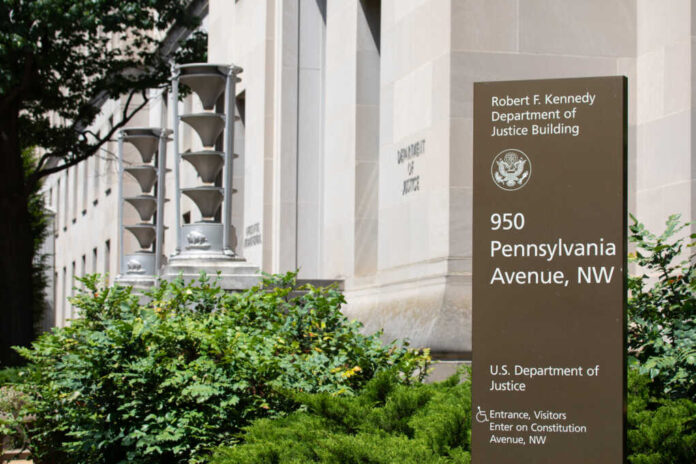
A newly launched grand jury investigation by the U.S. Department of Justice is reexamining the origins of the Trump-Russia probe, following a criminal referral citing alleged misconduct by senior intelligence officials.
At a Glance
- DOJ initiated a grand jury probe on August 4, 2025, after a referral from DNI Tulsi Gabbard
- Referral includes declassified intel showing no cyber-attacks affected 2016 election infrastructure
- Investigation could lead to indictments of officials like Comey, Brennan, and Clapper
- AG Pam Bondi’s office cited “clear cause for deep concern”
- Legal experts note the high bar for criminal accountability in such cases
Launch of the Investigation
On August 4, 2025, U.S. Attorney General Pam Bondi ordered a grand jury investigation into allegations that senior intelligence and law enforcement officials conspired to misrepresent ties between Donald Trump and Russian election interference. The investigation stems from a formal referral submitted by Director of National Intelligence Tulsi Gabbard, accompanied by newly declassified intelligence assessments.
Watch now: DOJ Launches Grand Jury Probe into Russiagate Origins
Bondi’s office described the referral as containing “serious allegations” and emphasized the importance of transparency and institutional accountability. While the investigation remains in early stages, it signals a possible legal reckoning for figures involved in launching or promoting the initial Russia probe—including former FBI Director James Comey, ex-CIA Director John Brennan, and former Director of National Intelligence James Clapper.
Revisiting 2016 and the Mueller Report
The original FBI inquiry into Russian election interference began in July 2016 after Trump campaign adviser George Papadopoulos referenced damaging information on Hillary Clinton. This evolved into Special Counsel Robert Mueller’s investigation, which confirmed Russian interference but found no evidence of criminal conspiracy between the Trump campaign and Russian actors.
Despite the Mueller findings, Trump and his allies maintained that the investigation was politically motivated. The newly declassified documents referenced in Gabbard’s referral indicate no cyber-attacks compromised U.S. election infrastructure in 2016—calling into question the basis for some of the initial national security concerns.
This development has revived long-standing criticisms of the intelligence community’s role in shaping the public narrative around Russian interference. The grand jury’s scope will reportedly assess whether any individuals knowingly presented false or misleading information to the public or government institutions.
Political and Legal Implications
Legal analysts caution that the threshold for criminal charges remains high, especially in cases involving former federal officials. Past investigations into the origins of the Trump-Russia probe, such as the Durham inquiry, produced few charges and limited findings. However, the current probe is distinct in its use of newly released intelligence and the formal weight of a grand jury.
Supporters argue the investigation represents a needed mechanism for restoring credibility and addressing potential abuses of power. Critics, however, warn that the probe may serve partisan ends and risk undermining public trust in foundational institutions.
The political ramifications are significant. With midterm elections approaching in 2026, any revelations or indictments could shift public perceptions of federal oversight and intelligence practices. The probe may also influence future procedures regarding election security and intelligence transparency.
Looking Ahead
As the grand jury gathers testimony and evidence, both political observers and legal professionals are closely watching the case’s development. The investigation’s trajectory—whether it results in formal charges or not—will likely shape national conversations around surveillance, accountability, and political bias in federal investigations.
The outcome may either validate long-standing grievances or affirm institutional resilience in the face of political pressure. Either way, the DOJ’s move marks a pivotal moment in the post-2016 reckoning over U.S. electoral integrity and federal agency conduct.
Sources