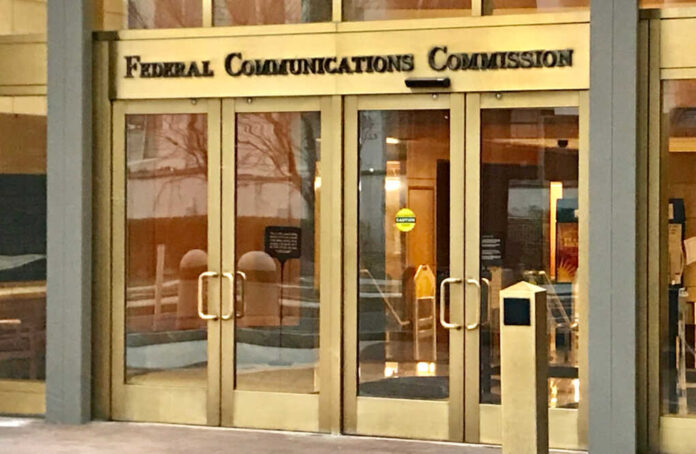
The FCC is set to approve cellphone jamming in U.S. prisons, opening a fierce new front in the fight against inmate crime.
At a Glance
- The FCC will vote on allowing states to jam contraband cellphones in prisons.
- Over 15,500 illegal phones were seized in Georgia prisons in 2024.
- Bipartisan lawmakers support the Cellphone Jamming Reform Act of 2025.
- Law enforcement cites inmate phones as tools for gang hits and drug operations.
A Historic Policy Shift
The FCC is preparing to approve a measure that would let prisons jam inmate cellphones for the first time. The move answers years of pressure from law enforcement and lawmakers frustrated by rising violence linked to contraband devices.
For decades, federal telecom law blocked states from deploying jamming equipment. This legal barrier left prisons flooded with smuggled phones, often carried in by corrupt staff or dropped by drones. Inmates used them to orchestrate murders, drug deals, and extortion rings.
Watch now: FCC to vote on allowing cellphone jamming in prisons
Georgia offers the clearest case study. In 2024 alone, officials confiscated more than 15,500 illicit phones. At least one high-profile murder, the killing of an 88-year-old veteran, was linked to inmate orders issued through a hidden handset.
Bipartisan Muscle Behind Reform
Congress has rallied around the Cellphone Jamming Reform Act of 2025, with sponsors spanning both parties. Senators James Lankford and Tom Cotton introduced the bill, joined by 31 attorneys general pressing for immediate action.
Georgia Attorney General Chris Carr became a leading voice in the push. He argues that prison walls mean little if inmates can still command gangs and order killings through untraceable calls. Corrections unions back the plan, warning that unchecked phones endanger staff and families alike.
The FCC’s pending vote signals the first real crack in the old telecom rules. If approved, states could finally wield technology strong enough to shut down prison crime networks. Supporters call it overdue and vital to restoring public trust in the justice system.
Fears of Overreach and Collateral Damage
Civil liberties advocates urge caution, warning of unintended harm. Jamming signals could bleed into surrounding neighborhoods, cutting off legal calls and jeopardizing emergency communications. They also argue that blocking phones may disrupt inmates’ ties with families or attorneys, links viewed as key to rehabilitation.
Telecom groups share concerns about interference, pushing for strict technical safeguards. They caution that poorly calibrated systems could spark lawsuits and erode public confidence in both carriers and corrections agencies.
The FCC acknowledges the risks but frames the shift as a measured test. Officials stress that oversight will remain strict, and only controlled pilot programs will proceed at first. The broader rollout depends on how well prisons can jam signals without spilling into the outside world.
A Defining Precedent
If the FCC and Congress move together, the United States will enter uncharted territory. No state has ever been granted open authority to jam phones inside its prison walls.
The policy would mark a sharp turn toward prioritizing public safety over rigid telecom rules. It would also set the stage for a long legal fight over the balance between liberty, security, and technology.
For now, corrections leaders celebrate momentum. After decades of frustration, they finally see Washington aligning with their demand for real tools to restore order behind bars.
Whether the jammers deliver security or controversy may decide the next chapter in prison policy nationwide.
Sources