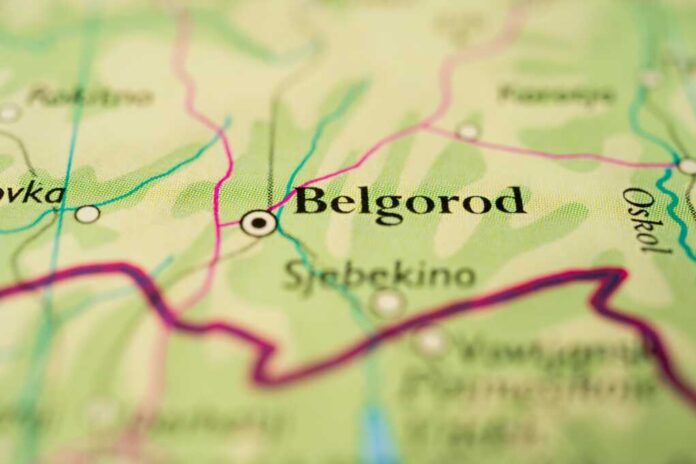
Ukrainian drone attacks on Russia’s Belgorod region have seen a significant increase in 2025, leading to power outages for thousands of residents and highlighting the vulnerability of Russian border communities. This escalation is part of Ukraine’s stated strategy to target Russian energy infrastructure in response to similar attacks on its own power grid.
Story Highlights
- Ukrainian drone strikes on Belgorod rose from approximately 1,100 to over 4,000 incidents since January 2025.
- Major attacks in October resulted in nearly 40,000 Russian civilians experiencing electricity loss.
- Reports indicate growing concern among Russian border residents regarding the sustained attacks.
- Ukraine’s actions are described as a retaliatory measure targeting Russian energy infrastructure.
Escalation in Cross-Border Activity
Ukrainian forces have increased their drone campaign against Russia’s Belgorod region, with the frequency of attacks rising from approximately 1,100 incidents to over 4,000 since early 2025. This represents a fourfold increase in cross-border strikes. The attacks have primarily targeted energy infrastructure, indicating a focus on disrupting civilian services within Russian territory.
This strategic shift follows statements from Ukrainian President Zelensky in late 2024, who indicated that Ukraine would respond to Russian targeting of its energy facilities. The Belgorod region, which has been utilized as a staging ground for Russian military operations, is now experiencing sustained infrastructure attacks.
Half of Belgorod is without power. Strikes on the CHP plant and substations — outages of electricity and water
In Belgorod, Ukrainian Armed Forces drones hit two electrical substations and the Belgorod CHP plant.
Reports say widespread disruptions: part of the city is without… pic.twitter.com/jNLBl85pAn
— NEXTA (@nexta_tv) September 28, 2025
Impact on Civilian Population and Infrastructure
An attack on October 5, 2025, on Belgorod’s energy facilities led to power outages for nearly 40,000 residents. Subsequent incidents on October 11 caused fires and additional infrastructure damage. These events have resulted in municipalities experiencing extended periods without electricity, affecting daily life for Russian civilians.
The vulnerabilities in the power grid in these border regions have been noted, with emergency repair crews reportedly facing challenges in maintaining services amidst ongoing threats. This situation has led to cycles of damage and temporary restoration, impacting public confidence in local authorities’ ability to provide protection.
Reported Psychological Effects on Border Communities
Communications from October 13-14, 2025, suggest increasing distress among Belgorod residents due to the ongoing attacks and power outages. The psychological impact extends beyond immediate physical damage, with civilians reportedly expressing concerns about their safety and frustration regarding the perceived inadequacy of protective measures. This reported decline in civilian morale is viewed by some military analysts as a strategic outcome for Ukrainian forces.
Military analysts have observed that the targeting of civilian infrastructure aligns with modern hybrid warfare tactics, where psychological pressure on populations can be a component alongside military objectives. The sustained campaign has reportedly led to economic losses, social strain, and political considerations for Russian leadership, particularly at the regional level, where residents are said to be questioning government preparedness and defensive capabilities.
Watch the report:
Belgorod without power as Ukraine launches world RECORD suicide drone attack
Sources:
Belgorod residents complain life in Russia is ‘simply hopelessness’ amid Ukraine’s air attacks
Blackouts hit Russia’s Belgorod as Ukrainian drone attacks surge
Blackouts hit Russia’s Belgorod as Ukrainian drone attacks surge
Dark nights in Belgorod: Fear, blackouts and the war closing in on Russia’s doorstep