President Trump just hit nearly every country that sells goods to America with new tariffs, all in the name of stopping forced labor.
Story Snapshot
- New tariffs of 10% to 12.5% now apply to imports from 60 countries and the European Union, covering almost all U.S. trade.
- The Trump administration says these countries fail to ban or enforce bans on goods made with forced labor.
- The tariffs replace an earlier stopgap tax that expired just as the new rates kicked in.
- Small businesses filed a lawsuit within hours, challenging the legal basis for the new duties.
- Several targeted countries, including major trading partners, deny the forced labor accusations.
What the New Tariffs Actually Do
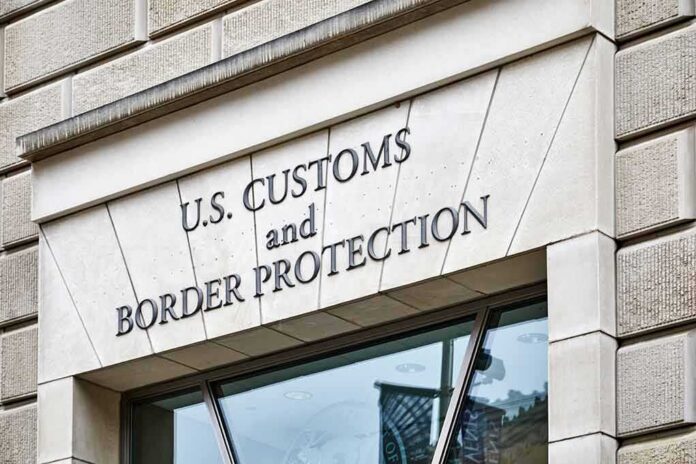
The Office of the U.S. Trade Representative announced tariffs of 10% to 12.5% on imports from 60 economies, a list that includes the European Union and effectively touches more than 80 nations. The move covers about 99% of all U.S. trade, according to trade officials. Countries like Canada, Mexico, Indonesia, Pakistan and Ecuador appear on the list alongside larger trading partners such as China and Japan.
U.S. Trade Representative Jamieson Greer recommended the tariffs after a months-long investigation that included public hearings in Washington. Officials say the review found these countries did not effectively stop imports of goods made with forced labor, creating what the administration calls an unfair playing field for American companies.
Why Forced Labor Became the Legal Hook
The administration built this action under Section 301 of the Trade Act of 1974, a law that lets the president tax imports from countries seen as engaging in unreasonable trade practices. Using forced labor as the trigger is new. Past U.S. tools against forced labor mostly relied on customs enforcement, like blocking specific shipments, not broad country-wide tariffs.
The timing matters too. These tariffs took effect right as a separate 10% stopgap tariff was set to expire. That earlier tariff came after the Supreme Court struck down a wider set of Trump tariffs, forcing the administration to find a new legal path to keep import taxes in place.
Countries Push Back on the Claims
Nations named in the investigation reject the forced labor accusations. Officials from several targeted countries say the claims are broad and lack specific evidence tied to individual shipments or products, rather than general accusations against entire national economies.
Trade analysts note this is a real tension in how these laws work. Section 301 lets the government act based on country-level findings, even without proof that any single shipment contains forced-labor goods. Critics call that approach too broad and too easy to use as a political tool rather than a genuine labor protection.
Businesses Sue Within Hours
A group of small businesses filed a lawsuit against the Trump administration almost immediately after the tariffs took effect. The suit challenges whether the administration has the legal authority to use forced labor findings this way, especially so soon after the Supreme Court rejected the president’s earlier tariff plan.
The legal fight adds to a growing pattern where trade policy and court battles move almost in lockstep. Businesses on both sides of the political spectrum worry about unpredictable import costs, while workers and consumers wonder whether these tariffs will actually stop forced labor or just raise prices on everyday goods.
What Comes Next
The dispute now heads toward the courts, where judges will decide if using forced labor claims this broadly fits within the law’s original intent. For now, importers face higher costs on goods from dozens of countries, and consumers may see those costs show up in stores in the coming months. Both supporters and critics agree on one thing: this fight is far from over.
Sources:
aljazeera.com, barnesrichardson.com, reuters.com, nytimes.com, foreignpolicy.com