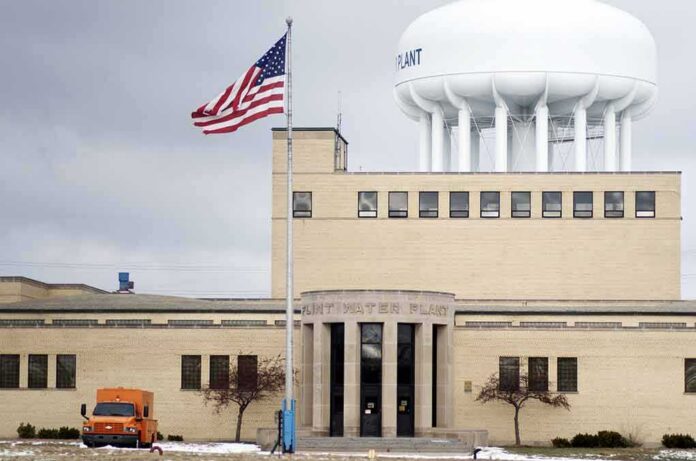
A coordinated cyberattack on over 30 Minnesota water systems exposed how foreign hackers can reach straight into America’s most basic lifeline: safe drinking water.
Story Snapshot
- More than 30 Minnesota community water systems were hit in a 48‑hour coordinated cyberattack on their control technology.
- Investigators say the methods and timing strongly resemble past operations by Iran‑linked hacker groups, though attribution is still being confirmed.
- Water kept flowing and stayed safe only because local crews switched to manual controls and emergency procedures.
- The incident highlights how years of weak cyber standards and foreign threats now put small-town infrastructure — and American families — directly at risk.
Hackers Targeted The Brains Of Local Water Systems
State cyber officials say the attack hit more than 30 community water systems across Minnesota over July 26 and 27, in what they described as a “coordinated cyberattack” on operational technology. That means hackers did not just poke at office computers; they went after the digital systems that run pumps, wells, towers, and wastewater lift stations. In Braham, city leaders reported their main water plant was knocked offline for hours when attackers shut down computerized operating controls. In Plymouth, the city says two water towers and multiple lift stations connected over cellular networks were targeted. These systems are supposed to quietly keep water moving, but the incident shows how exposed they are when control devices sit online with weak defenses.
Minnesota Information Technology Services, the state agency that oversees cyber operations, confirmed similar activity across dozens of communities and said there were clear similarities in timing and the types of systems hit, indicating a coordinated campaign rather than random glitches. Federal Bureau of Investigation (FBI) agents and the Cybersecurity and Infrastructure Security Agency are now part of the probe, treating the case as an attack on critical infrastructure. Officials say being “impacted” means they saw confirmed malicious activity inside remote monitoring and control gear, even if every city did not see full service shutdowns. For residents, the taps stayed on, but the unseen digital backbone that makes modern water systems work was under direct assault.
Iranian Hacker Fingerprints Without A Public Verdict — Yet
U.S. and state officials told national reporters that the techniques used, the lack of any ransom demand, and the choice of targets point strongly toward hackers tied to the government of Iran. According to those briefed on the investigation, analysts see close overlap with previous attacks that used internet-exposed industrial controllers to poke at American water and wastewater systems. Cybersecurity firm Tenable notes the Minnesota incident lines up with an April federal advisory warning that Iran-affiliated actors were actively exploiting critical flaws in Rockwell Automation and Allen-Bradley programmable logic controllers. That advisory described similar activity against government services, water, wastewater, and energy networks, creating a clear pattern of interest in basic civilian infrastructure.
Security researchers told one outlet that the operational style looks consistent with a threat group known as CyberAv3ngers, which the U.S. government has already linked to Iran’s Islamic Revolutionary Guard Corps’ cyber command. At the same time, Minnesota’s own cyber agency and the FBI have not yet issued a formal public attribution, saying the source remains under investigation. Local experts stress that other hostile states like China, Russia, and North Korea also target water and utility systems, so final blame will rest on detailed forensics. Still, multiple briefings to national media signal that federal officials see this as part of a broader Iranian pressure campaign that uses cyber tools to send messages and test America’s defenses.
Manual Overrides, Not Federal Policy, Kept Families Safe
Despite the scale of the attack, officials say there is no evidence any water supply was contaminated or made unsafe to drink, and no boil‑water orders were issued. In Braham, crews moved quickly to bring the plant back online by switching off the hacked systems and running equipment manually. Other cities reported similar steps, falling back on physical controls and local know‑how when the digital layer failed. One community asked residents to briefly conserve water while staff figured out what had gone wrong, underscoring how close the incident came to hitting everyday life. The episode shows something important: when foreign adversaries target small-town America, it is often local workers, not distant bureaucrats, who protect families.
Cyberattacks on Minnesota water systems investigated as officials warn about Iranian hackers https://t.co/UXcfqZy9Za pic.twitter.com/CYpKtlmewg
— This Is The Conversation Project (@th_conversation) July 31, 2026
The Minnesota case also exposes how years of underinvestment and muddled priorities left vital systems open to attack. Federal advisers have warned that many water operators rely on remote access and internet-connected controllers with weak security, especially in smaller communities with tight budgets. While Washington poured money into climate schemes and “green” slogans, basic cyber hygiene for pumps and towers often took a back seat. Now President Trump’s team faces a hard task: close long‑ignored gaps, push practical standards, and back local utilities with real resources instead of feel‑good talking points. For conservatives, this incident is a clear reminder that defending American families starts with strong borders, tough foreign policy, and secure infrastructure at home.
Sources:
washingtontimes.com, tenable.com, thehackernews.com, theregister.com, fox9.com, youtube.com, facebook.com, reddit.com