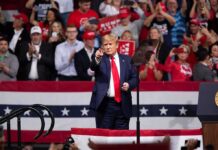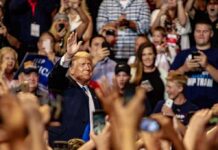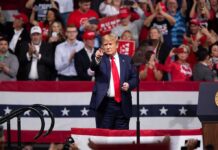

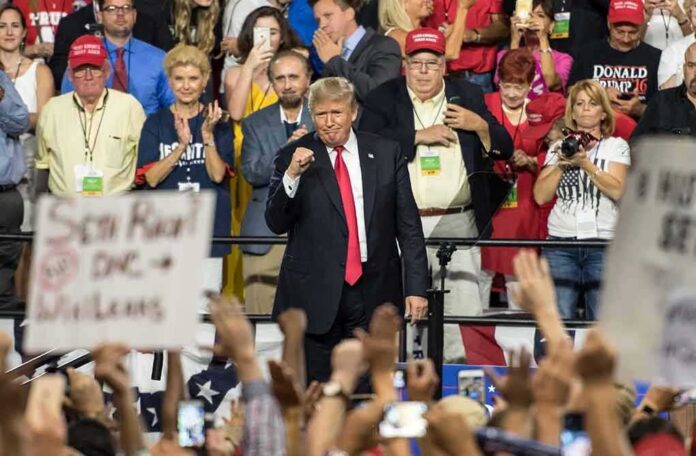
President Trump signed live, onstage pardons for two Alaska diesel mechanics at a Wasilla rally, turning clemency into a campaign moment anchored to a dispute over federal environmental enforcement.
Story Snapshot
- Trump granted onstage pardons to two Anchorage shop owners convicted in a Clean Air Act case.
- Prosecutors said the men tampered with emissions systems on at least 37 vehicles between 2019 and 2020.
- The mechanics said they kept diesel trucks running in extreme cold, not to harm the public.
- The Justice Department later shifted similar cases toward civil, not criminal, enforcement.
What Happened At The Rally
President Trump signed two presidential pardons onstage at a Wasilla, Alaska rally, clearing two Anchorage diesel shop owners convicted under the Clean Air Act. The men had pleaded guilty in 2022 to a conspiracy charge tied to emissions tampering. Sentences included probation, fines, and community service, not prison time. Trump framed the pardons as correcting an unfair case. The public signing blended campaign messaging with official clemency, drawing fast attention from both critics and supporters.
Rally clips show the mechanics thanking Trump and describing personal fallout from the case, saying they aimed to keep trucks working in harsh winters and to help Alaskans stay safe on remote roads. The onstage moment followed a pattern of energy-focused remarks and endorsements during the event. Coverage highlighted the unusual mix of politics and presidential power, and the local stakes for drivers and small shops that service diesel vehicles in severe conditions.
What The Case Was About
The U.S. Attorney’s Office for Alaska said the shop’s owners and an employee removed required pollution-control equipment and altered onboard diagnostics on at least 37 vehicles from July 2019 to September 2020. Federal filings and agency summaries described “defeat devices” that let altered trucks run while bypassing emissions rules. Prosecutors said some vehicles emitted far more pollution after the changes. The defendants admitted the conspiracy, which led to fines and probation, not incarceration.
News accounts said the shop offered removals for fees and changed parts while blocking error detection, which the government says violates federal standards. The Environmental Protection Agency described the conduct as knowing and repeated, consistent with a national push against aftermarket tampering. The government’s public statements did not address the cold-weather safety claim in detail. The record does not include engineering proof that removal was required for safe winter operation.
Why The Pardons Matter Now
The pardons landed amid a broader shift in federal policy. Reporting says the Justice Department announced in January it would handle future diesel defeat-device cases as civil matters rather than criminal charges, narrowing when agents seek prison time. That change gave Trump and allies a concrete hook to argue the original Alaska prosecution overshot. Supporters say clemency aligned justice with updated enforcement. Critics point to the guilty pleas and the scale of tampering described by prosecutors.
Trump’s latest abuse of power: turning presidential pardons into campaign spectacle.
At his Tuesday rally in Alaska, Trump granted onstage pardons to two auto-shop owners who pleaded guilty in 2022 to violating the Clean Air Act. Another example of Trump using his presidential… pic.twitter.com/JL1wU5fZVX
— Home of the Brave (@OfTheBraveUSA) October 14, 2026
The episode taps a deeper frustration that spans parties. Many Americans see distant rules pressing hard on local work without clear benefits. Alaska’s case sits at that fault line. Regulators focus on cleaner air and even rules for all. Mechanics and drivers focus on engines that start at fifty below. Both concerns are real. The policy change toward civil penalties suggests Washington also saw room to recalibrate how it enforces the law in these cases.
Open Questions And Limits
Key facts are settled: the men pleaded guilty, and Trump pardoned them onstage. Open questions remain. The public record does not prove political targeting of the defendants. The safety need for removing emissions gear has not been shown with independent testing. Sentences were financial and supervisory, not prison. A pardon forgives a crime; it does not erase the admitted conduct. These limits frame how to read both the rally spectacle and the underlying case.
Sources:
redstate.com, alaskanews.com, news.bloomberglaw.com, thehill.com, us.headtopics.com, h.aa.com.tr, justice.gov, usatoday.com, adn.com, yahoo.com